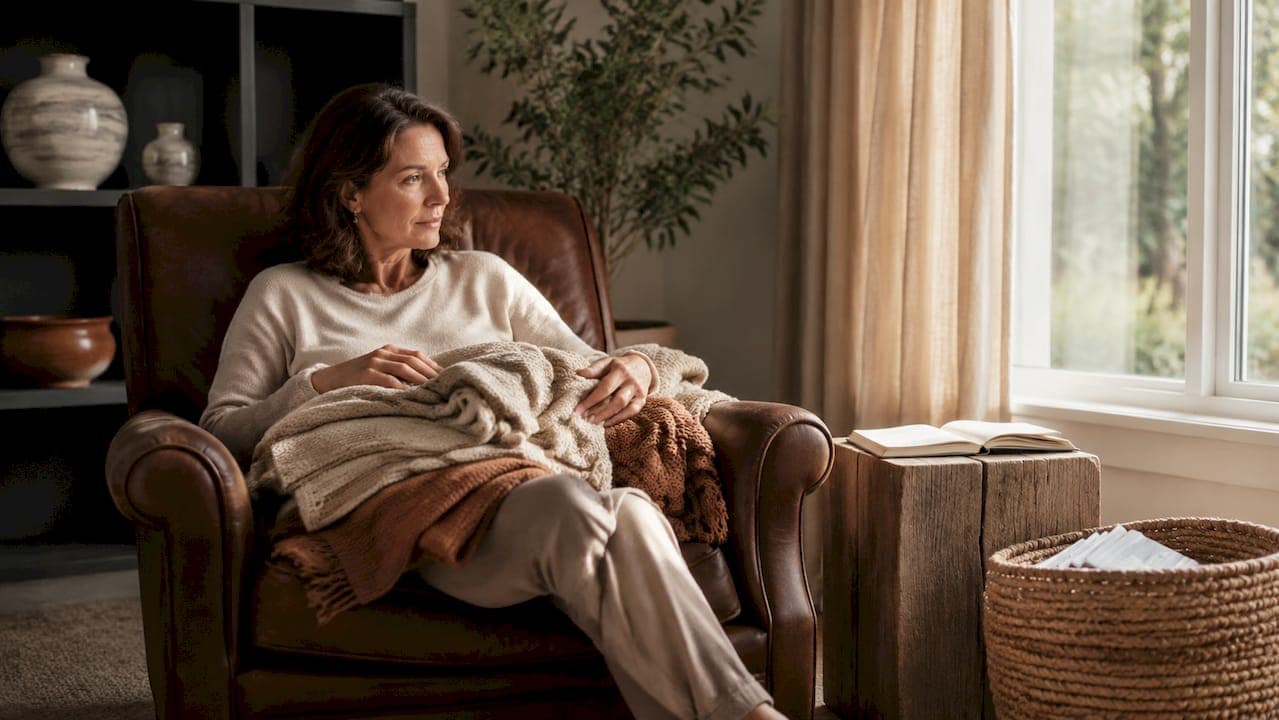
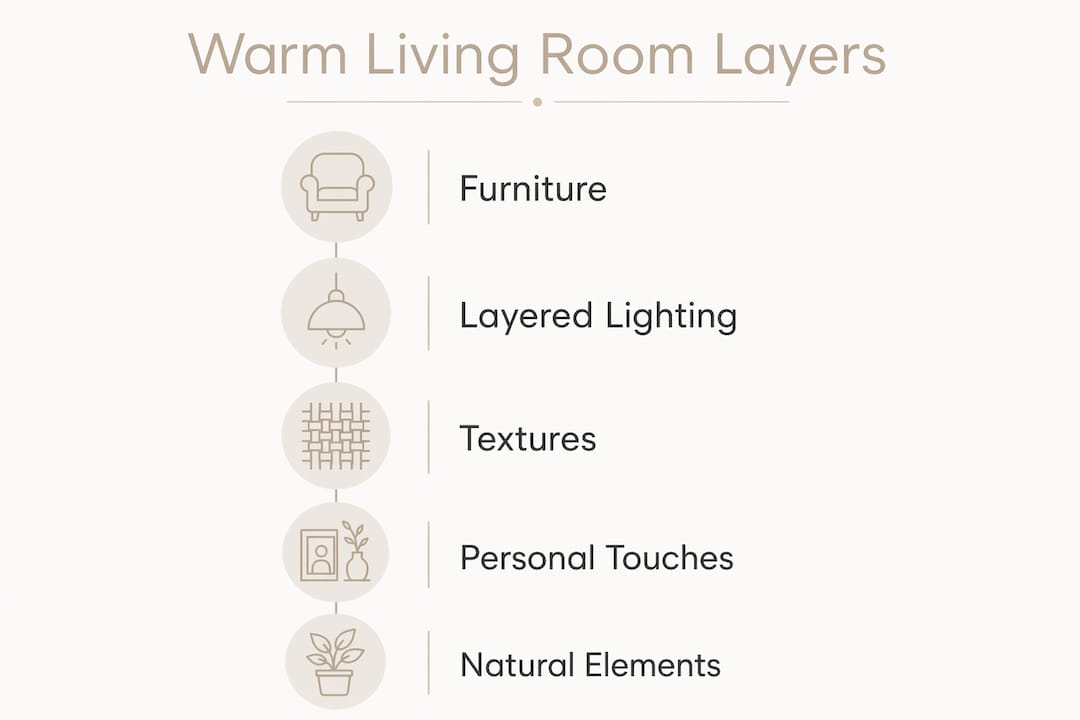
A warm, inviting living room is defined by three deliberate layers: the right foundational furniture, thoughtful lighting, and textiles that reward touch. This creating warm inviting living room guide walks you through each layer with the specificity that separates a room that looks styled from one that actually feels lived in. Interior design professionals call this approach "ambient layering," and it applies whether you have 400 square feet or 1,400. You will learn how to plan your layout before buying a single throw pillow, which lighting temperatures create genuine coziness, and how personal objects transform a room from a catalog page into a sanctuary.
How to plan your living room layout for warmth and comfort
The foundation of any cozy living room is scale. Before you move a single cushion, test your layout with painter's tape on the floor. Martha Stewart's 2026 designer guidance confirms this method: tape out the footprint of your sofa, coffee table, and chairs, then walk the space before committing. This prevents the most common and costly mistake in living room design, which is buying furniture that overwhelms or underwhelms the room.
Follow this sequence when planning your foundational pieces:
- Choose your sofa first. It anchors every other decision. A fabric sofa in a warm neutral, such as oatmeal, camel, or warm gray, reads softer than leather and invites people to sit longer.
- Select your rug second. An 8x10 rug is the most common size for living rooms because it allows the front legs of the sofa and chairs to rest on it, visually connecting the seating group. A rug that floats in the center without touching any furniture makes the entire arrangement feel unmoored.
- Plan your coffee table distance. KTJ Design Co. advises 16 to 18 inches between the sofa and coffee table. This is the sweet spot between functional reach and open flow.
- Float your furniture off the walls. Pulling your sofa 6 to 12 inches away from the wall adds visual depth and makes the room feel larger and more welcoming. Pushing everything against the perimeter is the single most common layout error in residential spaces.
- Consider multifunctional pieces for smaller rooms. An ottoman with storage, a console table that doubles as a desk, or a bench at the end of a sectional all add function without crowding the floor plan.
Pro Tip: If you are unsure about a furniture arrangement, photograph the taped layout from the doorway. The camera flattens perspective and reveals proportion issues that your eye misses when standing in the room.
Measuring your space carefully before purchasing is not optional. A sofa that is 6 inches too wide can block a doorway or force traffic into an awkward path. Comfort and aesthetics only coexist when the proportions are right from the start.
How to layer lighting for a cozier living room atmosphere
Lighting is the single highest-return investment in living room coziness, and most homeowners get it wrong by relying on one overhead fixture. Layered lighting at multiple levels, combined with soft textured fabrics and personal elements, creates the sensation of warmth more than any single factor alone. Designers treat lighting as an installation challenge, planning multiple sources and their heights before placing furniture.
A properly layered living room uses at least three light sources at different heights:
- Floor lamps placed in corners or beside seating create warm pools of light at eye level when you are seated.
- Table lamps on side tables or consoles add mid-height warmth and frame the seating area.
- Sconces or picture lights draw the eye upward and add architectural interest without harsh overhead glare.
Bulb temperature matters more than most people realize. Warm white bulbs at 2700K produce the coziest living room light, replicating the amber quality of candlelight. Bulbs at 4000K or above read as clinical and cool, which actively works against the warm atmosphere you are building. Install dimmers on every circuit you can. A dimmer on a floor lamp costs under $30 and transforms the room's mood from afternoon productivity to evening relaxation without changing a single piece of furniture.
Pro Tip: Use lampshades with a warm linen or fabric diffuser rather than a white paper shade. The diffuser softens the light source and casts a golden tone across the room rather than a bright circle on the ceiling.
Smart bulbs from brands like Philips Hue or LIFX let you schedule color temperature shifts throughout the day, warming automatically in the evening. This is not a luxury feature. It is a practical tool for homeowners who want consistent ambiance without adjusting lamps manually every night.
What are the best ways to layer textures and textiles for warmth?
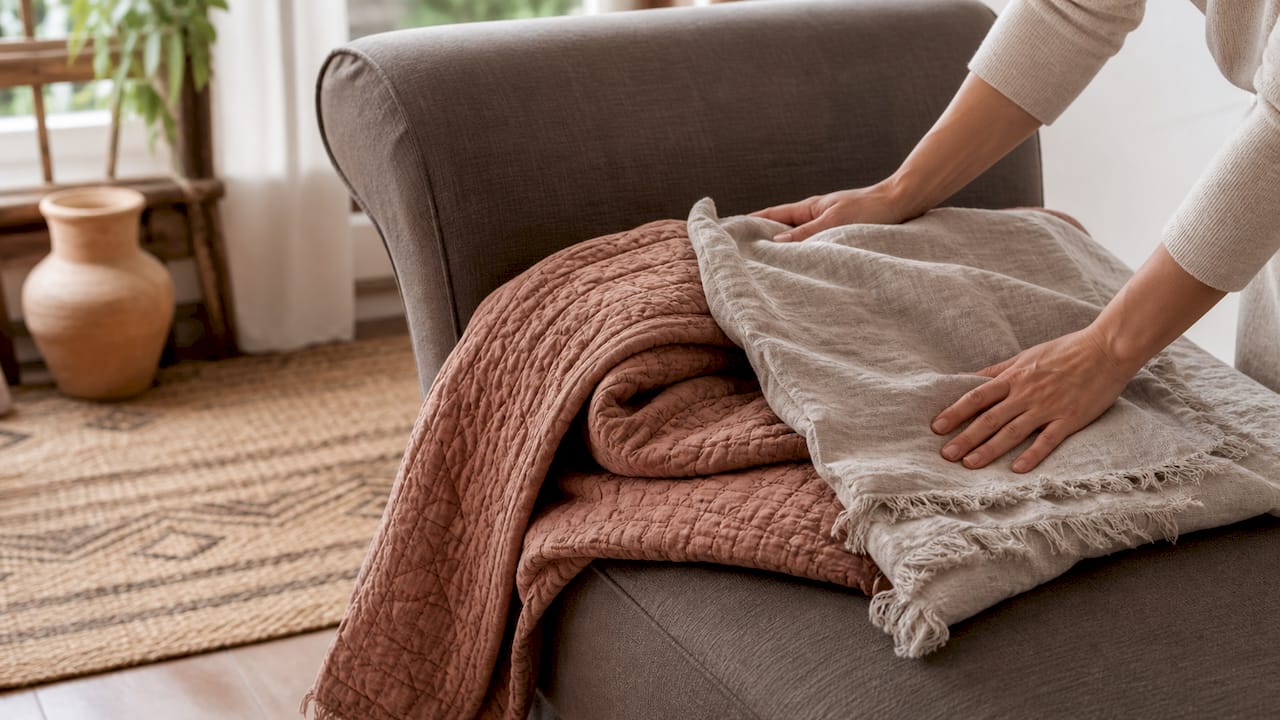
Texture is what makes a living room feel warm to the eye before anyone sits down. Velvet pillows and faux-fur throws are the two most effective cozy additions according to HGTV interior designers, because they signal softness from across the room. The goal is to layer two to three distinct textures within a cohesive color palette, not to collect every material available.
| Textile | Warmth effect | Best placement |
|---|---|---|
| Velvet pillow covers | High visual and tactile warmth | Sofa anchor pillows |
| Chunky knit throw | Strong tactile softness | Draped over sofa arm |
| Wool or jute rug | Grounding warmth underfoot | Anchoring seating group |
| Linen curtains | Soft, diffused light and height | Full-length at windows |
A few principles that separate a well-layered room from an overcrowded one:
- Limit your sofa to four pillows: two larger anchor pillows at the back and two smaller ones in front. More than that reduces usable seating and reads as decorative rather than comfortable.
- Drape throws casually rather than folding them into perfect squares. A casually draped throw signals that the room is actually used and loved.
- Choose fabric sofas over leather for primary seating when warmth is the goal. Leather reads as sleek and cool. Fabric in bouclé, linen, or velvet reads as soft and approachable.
- Introduce natural materials alongside textiles. A wooden side table, a stone tray, or a woven basket adds organic texture that synthetic materials cannot replicate.
You can learn more about pairing artisan crafts with contemporary furniture to understand how handcrafted textiles interact with modern pieces without visual conflict.
How to incorporate personal touches and natural elements
Personal style expressed through curated decor and meaningful objects transforms living rooms from staged spaces to lived-in sanctuaries. This is the layer that no designer can fully prescribe for you, because it depends entirely on what carries meaning in your life.
A few principles guide this layer well:
- Choose one large statement plant over several small ones. A fiddle-leaf fig, a monstera, or a large snake plant reads as intentional and architectural. A collection of small succulents scattered across surfaces reads as an afterthought.
- Hang artwork at eye level, not at ceiling height. The center of a piece should sit roughly 57 to 60 inches from the floor, which is the standard used by most galleries. Artwork hung too high disconnects from the seating group and loses its warmth.
- Display family photos or travel objects in a curated cluster rather than spread across every surface. A gallery wall or a styled shelf with three to five meaningful objects has more emotional weight than the same objects scattered around the room.
- Hang full-length drapes close to the ceiling, not at the window frame. Correct drapery hanging contributes to a taller, softer room perception that enhances warmth. Mounting the rod 4 to 6 inches above the window frame and letting fabric pool slightly on the floor creates the effect of a much larger, more refined space.
Natural wood elements, whether a reclaimed coffee table, a carved bowl, or a set of wooden frames, add a connection to organic materials that manufactured finishes cannot replicate. This is the same principle behind Mexican craftsmanship's influence on global design: handmade objects carry a warmth that mass production cannot manufacture.
What common decor mistakes reduce warmth and how to fix them
Most living rooms that feel cold or flat are not missing more furniture. They are suffering from a small set of correctable errors. Recognizing these patterns is the fastest path to a warmer room.
- Undersized rug. A rug that only the coffee table sits on makes the seating group feel disconnected and the room feel smaller. Move up one size. If you have a 5x8, replace it with an 8x10.
- Single overhead light source. A ceiling fixture alone creates flat, shadowless light that reads as institutional. Add one floor lamp and one table lamp to the same room and the transformation is immediate.
- Furniture pushed against walls. Floating your sofa even 8 inches off the wall creates a conversation zone that feels intentional rather than defensive. Rooms where all furniture hugs the perimeter feel like waiting rooms.
- Too many competing patterns. Two patterns in a room work well. Three can work with discipline. Four or more creates visual noise that registers as stress rather than warmth. Anchor with a solid and add pattern through one textile and one rug.
- Cool or stark white walls. Warm neutral color palettes using oatmeal, cream, terracotta, olive, and rust as base tones, with navy or forest green as accents, create inviting yet sophisticated atmospheres. Pure cool gray or bright white walls actively resist the warmth you are building with textiles and lighting.
Pro Tip: Before repainting, try warming a cool room with decorating with linens in amber, rust, or warm ochre tones. Textiles change the perceived wall color more than most homeowners expect, and the investment is far lower than a repaint.
A warm room is the sum of cumulative small decisions in light, texture, and proportion rather than any single styling formula. Correcting even two of these five mistakes will produce a noticeable shift in how the room feels.
Key takeaways
A warm, inviting living room requires the right foundational furniture, layered lighting at multiple heights, and textiles that add tactile softness before a single personal object is placed.
| Point | Details |
|---|---|
| Start with scale | Use painter's tape to test furniture layout before buying; prioritize sofa and rug sizing first. |
| Layer your lighting | Use at least three sources at varied heights with 2700K bulbs and dimmers for true coziness. |
| Limit and layer textiles | Four sofa pillows maximum; layer velvet, knit, and wool for warmth without overcrowding. |
| Float furniture off walls | Pull sofas 6 to 12 inches from walls to create depth and a more welcoming conversation zone. |
| Add personal meaning | One large plant, curated personal objects, and full-length drapes transform a styled room into a sanctuary. |
What I have learned from designing cozy living rooms with intention
After years of thinking about what makes a room feel genuinely welcoming versus merely decorated, I keep returning to the same truth: warmth is not a product you buy. It is a sequence of decisions you make with care.
The rooms that stay with me are not the ones with the most expensive furniture. They are the ones where the lighting is soft at 7 p.m., where there is a throw that actually gets used, and where something on the shelf tells you something true about the person who lives there. That combination, light, texture, and meaning, is what creates a welcoming atmosphere that no amount of trend-following can replicate.
My honest advice: plan your zones before you decorate. Decide where the primary seating zone is, where the cozy reading corner will be, and where the light will pool in the evening. Then build each layer with that intention. Comfort and personality are not in conflict with good design. They are the point of it.
— Ernesto
Bring your living room to life with Createdecorus

Every layer of warmth you build in your living room deserves a finishing touch that carries genuine craft. At Createdecorus, we design handcrafted luxury pillows and home accents made in Mexico, where artisan tradition and bold color are not decorative choices but a way of life. Each piece is a dialogue between artisan heritage and contemporary design, crafted with pride and made to be touched, used, and loved. Whether you are anchoring a sofa with velvet-rich accent pillows or adding a woven accent to a reading corner, our collection brings the warmth of Hecho en México into your home. Browse our full pillow and decor shop and find the piece that makes your living room unmistakably yours.
FAQ
What is the best color scheme for a warm living room?
Warm neutral palettes built on oatmeal, cream, terracotta, and rust create the most inviting living rooms. Add one or two saturated accents like navy or forest green to prevent the room from feeling flat.
How many throw pillows should a sofa have?
Four pillows is the practical and visual sweet spot: two larger anchor pillows at the back and two smaller ones in front. More than four reduces usable seating and makes the arrangement feel staged rather than comfortable.
What bulb temperature is best for living room coziness?
Warm white bulbs at 2700K produce the coziest living room light, replicating the amber quality of candlelight. Bulbs above 3000K read as cool and clinical, which works against a warm, relaxed atmosphere.
How do I make a small living room feel warm and inviting?
Float your furniture off the walls, use an appropriately sized rug with front legs of seating resting on it, and layer two to three warm light sources. Multifunctional pieces like storage ottomans add comfort without crowding the floor plan.
Why does my living room feel cold even with warm decor?
The most common cause is a single overhead light source combined with furniture pushed against the walls. Add a floor lamp and a table lamp with 2700K bulbs, pull your sofa away from the wall, and the room's warmth will shift noticeably without changing any decor.