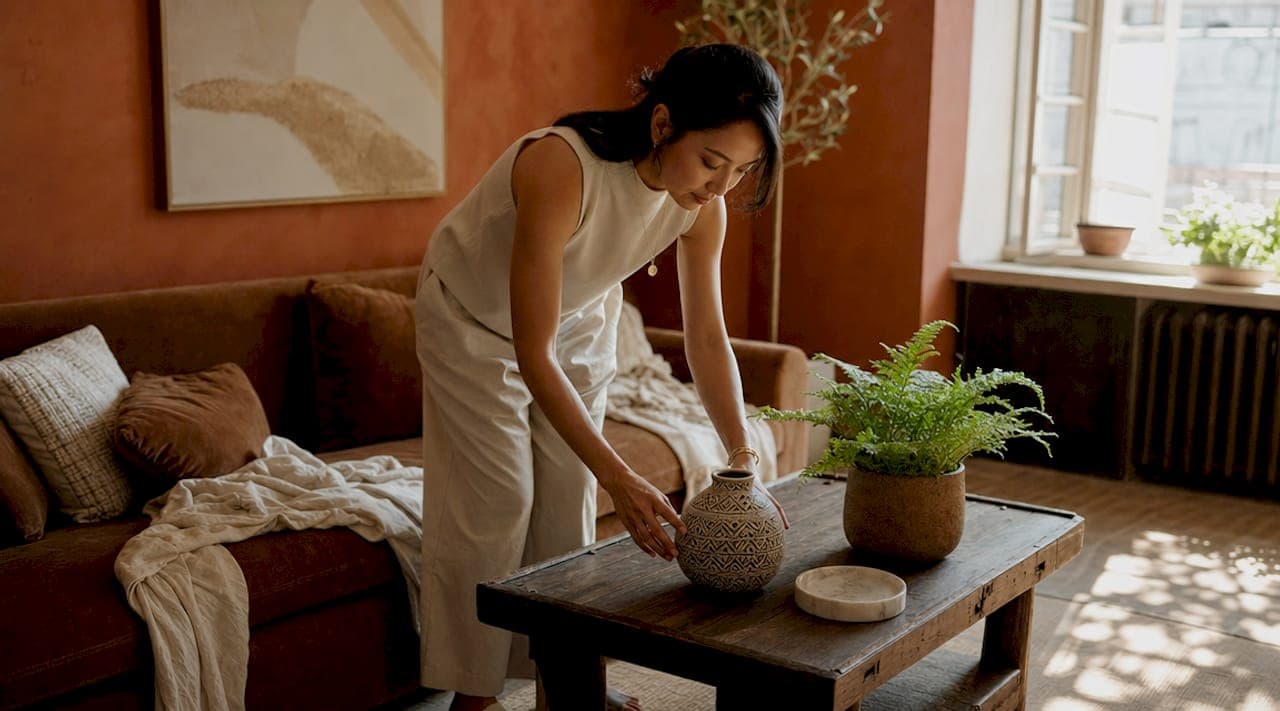
A luxury home accent is a carefully selected decorative object that transforms an ordinary interior into a refined, personalized space through artistic presence, high-quality materials, and intentional placement. These pieces sit in a distinct category from standard home décor. Where everyday decor fills space, a luxury accent commands it. Think of a hand-sculpted alabaster vase on a console table, a hand-cast bronze sculpture anchoring a bookshelf, or an artisan textile pillow that carries the warmth of generations of craft. Luxury accents serve both aesthetic and functional purposes, chosen for material weight, finish, and the story they tell within a room.
What is a luxury home accent and how does it differ from standard decor?
The industry term for this category is decorative accent or interior accent object, and the luxury tier is defined by three qualities: material integrity, artisanal origin, and intentional placement. A mass-produced ceramic bowl is decor. A hand-thrown ceramic bowl glazed with mineral pigments by a craftsperson in Oaxaca is a luxury accent. The difference is not price alone. It is the presence of human intention in every detail.
Luxury design trends favor intentional restraint, moving away from mass-produced porcelain objects toward hand-cast bronzes and stone-carved forms that anchor cultural identity in a living space. This shift reflects a broader philosophy: fewer pieces, each carrying more weight. A room with three extraordinary accents reads as curated. A room with thirty ordinary ones reads as cluttered.
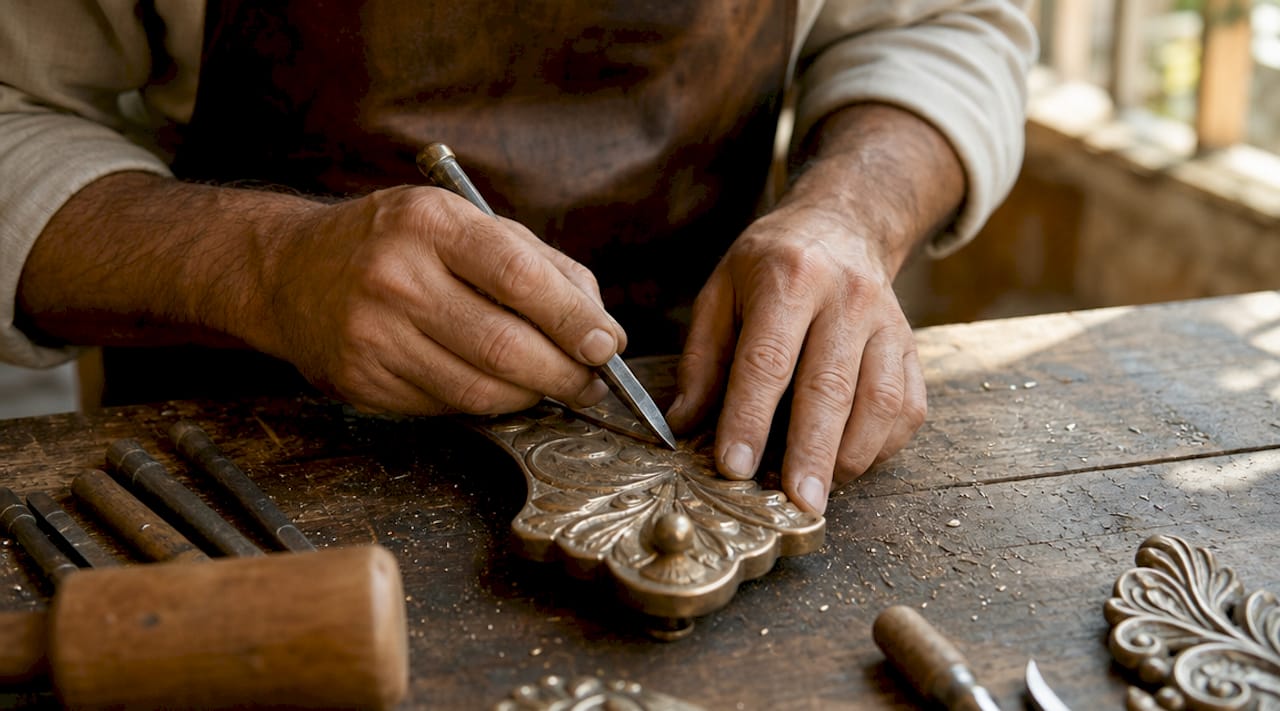
Luxury accents also function as emotional catalysts. Artisanal craftsmanship deeply transforms rooms beyond mere decoration, turning a living room into a personal sanctuary that reflects the values and aesthetic sensibility of the person who lives there. That transformation is what separates high-end interior accents from anything you can buy in a big-box store.
What types of luxury home accents are most commonly used?
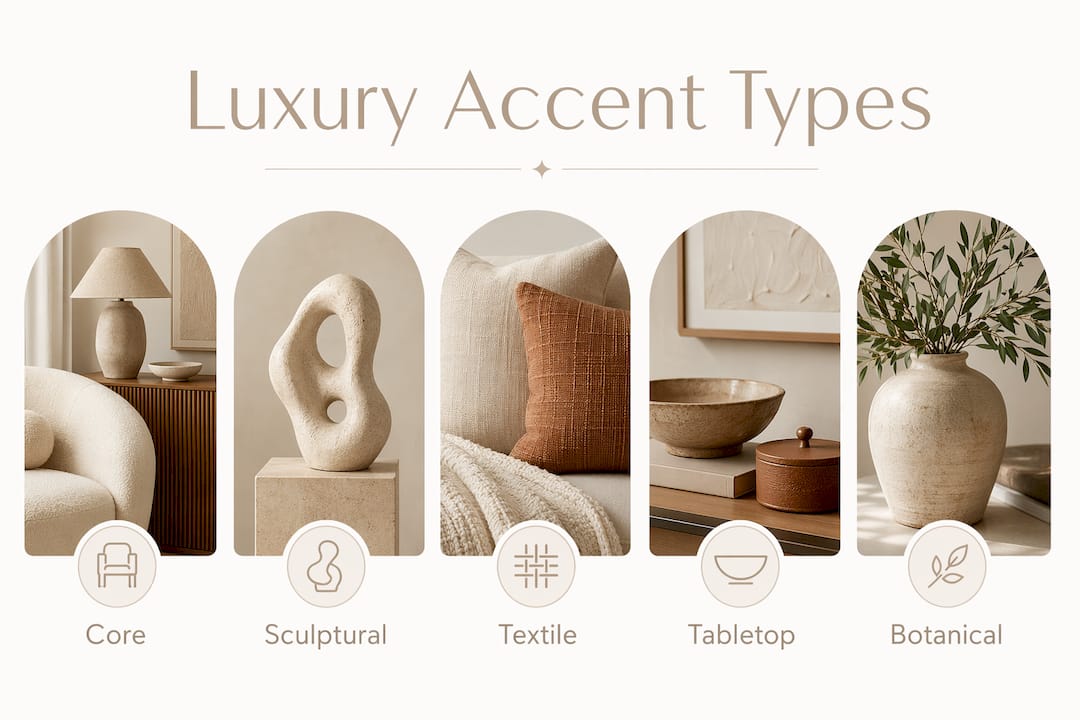
Luxury accents fall into five broad categories, each serving a distinct role in the design story of a room.
- Decorative objects: Hand-sculpted vases, artisanal sculptures, and unique picture frames are the most visible accent category. These pieces work as focal points, drawing the eye and anchoring a surface or shelf.
- Textiles: Luxury pillows, throws, and wall hangings crafted from premium materials such as hand-loomed wool, embroidered silk, or richly dyed cotton add warmth, color, and tactile depth. A single artisan pillow can shift the entire emotional register of a sofa.
- Lighting: Sculptural lamps and chandeliers made from alabaster, marble, or hand-cast metals function as installation-level accents. Configurations range from intimate pendant clusters to large custom installations featuring dimmable LEDs and natural alabaster globes.
- Functional accents: Marble trays, ceramic bowls, and handcrafted furniture accessories serve daily use while maintaining visual elegance. These pieces prove that luxury is not about excess. It is about thoughtful design applied to objects you actually live with.
- Biophilic elements: Preserved moss art brings organic texture without the maintenance burden of live plants. Processed moss requires no watering or grow lights, maintaining lush green hues that enhance tranquility indoors. This category fits both minimalist and traditional luxury aesthetics with equal grace.
Pro Tip: When building an accent collection, choose one piece from each category rather than multiples from one. A sculptural lamp, a handcrafted textile, and a marble tray together create more visual richness than three vases ever could.
How do materials and craftsmanship define luxury home accents?
Material choice is the single clearest signal of quality in any luxury accent. Natural materials carry a physical presence that synthetic alternatives cannot replicate. Marble has weight and temperature. Hand-cast bronze develops a patina over time. Fine linen softens with every wash. These qualities are not incidental. They are the point.
The Italian design tradition captures this perfectly through the concept of Bello e Ben Fatto, meaning beautiful and well-made. Details create emotional catalysts that transform rooms into personalized sanctuaries. This ethos holds that an object's beauty and its construction quality are inseparable. A piece that looks beautiful but is poorly made is not truly beautiful at all.
Here is how the most common luxury accent materials compare:
| Material | Sensory quality | Longevity | Cultural origin |
|---|---|---|---|
| Marble | Cool, weighty, veined | Centuries | Mediterranean, global |
| Hand-cast bronze | Warm, textured, evolving patina | Generations | Global artisan traditions |
| Alabaster | Translucent, soft glow | Decades | Italian, Middle Eastern |
| Hand-loomed textiles | Plush, tactile, color-rich | Decades with care | Mexican, Andean, Nordic |
| Ceramic (hand-thrown) | Organic, matte or glazed | Decades | Global, regionally distinct |
Artisanal craftsmanship adds a layer that no factory process can replicate: human judgment. A weaver adjusts tension by feel. A potter reads the clay. A bronze caster watches the pour. These micro-decisions accumulate into an object with genuine character. Quiet luxury relies on high-quality materials and curated presence, favoring solid stone, hand-cast bronze, and architectural glass for their longevity and understated elegance.
The weight and finish of a material also communicate quality before a person consciously registers it. A heavy marble tray feels serious. A thin, light imitation feels disposable. Your guests will sense this difference even if they cannot articulate why.
What are the key principles for styling luxury accents in your home?
Styling luxury accents well requires discipline as much as taste. The most common mistake is treating accents as filler, placing them wherever there is empty space. The result is visual noise rather than visual authority.
- Practice intentional restraint. Luxury accents require curated presence over excess. Choose fewer pieces and give each one room to breathe. A single hand-cast bronze sculpture on an otherwise clear console table commands more attention than a shelf crowded with objects.
- Plan for scale and proportion before you buy. A luxury item appears diminished if mis-sized relative to its surroundings. Measure your surfaces, consider the height of adjacent furniture, and check ambient lighting before committing to a piece. A small vase on a large dining table disappears. An oversized sculpture in a narrow hallway overwhelms.
- Balance textures and colors within a cohesive palette. Combining stone beside metal and wood beside glass creates a custom, curated feel. The key is contrast with coherence. Two rough textures beside one smooth surface. One warm metal tone beside two cool stone tones.
- Use accents as cultural storytelling elements. Each piece you choose communicates something about your values and your aesthetic history. A handwoven pillow from Oaxaca and a Nordic ceramic lamp can coexist beautifully if they share a tonal palette and a commitment to craft. The story they tell together is richer than either tells alone.
- Align accents with your room's architecture. High-end architectural accents function as integrated visual systems with precision edge detailing. Even smaller accents should feel like they belong to the room rather than sitting on top of it. A backlit mineral panel or a sculptural wall piece must align with the room's geometry to reinforce atmosphere rather than disrupt it.
Pro Tip: Before placing any accent, photograph the space from the doorway. This is the angle your guests see first. If the accent reads clearly and intentionally from that distance, it is placed correctly.
How does cultural authenticity enhance the luxury living experience?
Cultural authenticity is what separates a luxury accent that feels alive from one that merely looks expensive. A hand-embroidered pillow made by artisans in Chiapas carries a lineage. The pattern, the color choices, the stitch technique: all of these connect the object to a specific place, a specific tradition, and specific hands. That connection is felt, even when it is not consciously understood.
Mexican craftsmanship influences global design through its bold use of color, its commitment to natural dyes, and its preservation of pre-Columbian textile and ceramic traditions. Italian design contributes the Bello e Ben Fatto philosophy. Nordic artisan traditions bring restraint, natural materials, and a reverence for function. Each of these traditions produces accents that carry historical lineage, and that lineage elevates the emotional value of the piece far beyond its material cost.
The contrast with mass-produced luxury is stark. A factory-made object labeled "luxury" because of its price point carries no such lineage. It is a product. A handcrafted accent is a conversation between the maker and the person who lives with it.
"Every piece we make carries a piece of Mexican soul. Luxury is not about excess. It is about exceptional materials and thoughtful details that honor the hands that made them." — Createdecorus
This philosophy is why why Mexican craftsmanship is passed down generations matters so deeply to the luxury home space. Techniques refined over centuries produce objects with a depth of character that no automated process can achieve. When you place one of these pieces in your home, you are not just decorating. You are preserving something.
Key takeaways
Luxury home accents are defined by material integrity, artisanal origin, and intentional placement, and their power lies in cultural authenticity and curated restraint rather than quantity or price.
| Point | Details |
|---|---|
| Definition of luxury accents | Decorative objects distinguished by material quality, artisanal craft, and intentional placement within a room. |
| Most impactful categories | Sculptural objects, artisan textiles, and statement lighting carry the highest visual and emotional authority. |
| Material signals quality | Natural materials like marble, hand-cast bronze, and hand-loomed textiles communicate quality before conscious recognition. |
| Restraint over excess | Fewer, better-chosen pieces create more visual authority than a crowded collection of ordinary objects. |
| Cultural authenticity adds depth | Handcrafted accents with regional lineage carry emotional resonance that mass-produced luxury cannot replicate. |
Why I believe the accent is the most honest object in a room
I have spent years working with interiors and the pieces that inhabit them, and I keep returning to the same observation: the accent tells the truth about a space. You can buy a beautiful sofa and a well-proportioned rug, but the accents reveal whether someone actually thought about the room or just furnished it.
The pieces that stay with me are always the ones with a story. A ceramic bowl thrown by a potter in Tonalá. A pillow embroidered with a pattern that has been in a family's repertoire for four generations. These objects do not shout. They hold their ground quietly, and they reward the people who look closely.
My honest advice is to resist the pull of trends entirely when selecting accents. Quiet luxury favors timeless materials over fleeting styles, and that principle holds at every price point. Buy one piece you genuinely love over three pieces that feel current. The one you love will still be right in your home a decade from now. The trend pieces will feel dated within two years.
Sourcing matters, too. Knowing where a piece comes from and who made it changes how you live with it. That knowledge is part of what you are paying for when you choose a handcrafted accent over a mass-produced one. It is not a premium for its own sake. It is the cost of something real.
— Ernesto
Discover Createdecorus handcrafted luxury accents
If you are ready to bring genuine artisan quality into your home, Createdecorus offers a collection of handcrafted luxury pillows and accents made in Mexico, where bold color, rich texture, and generations of craft tradition come together in every piece.
Each item in the Createdecorus collection is Hecho en México, carrying the warmth and cultural depth that mass-produced decor simply cannot offer. Whether you are styling a living room, a bedroom, or an entryway, these pieces are designed to serve as the kind of intentional accents that transform a space rather than merely fill it. Explore the full range of handcrafted luxury pillows and find the piece that speaks to your home. For trade professionals and retailers, the wholesale trade program offers access to the full collection at scale.
FAQ
What is a luxury home accent exactly?
A luxury home accent is a decorative object distinguished by its material quality, artisanal craftsmanship, and intentional placement within an interior space. It serves both aesthetic and functional purposes, acting as a focal point that personalizes and elevates a room's design.
How many luxury accents should a room have?
Intentional restraint is the defining principle of luxury styling. Most well-designed rooms carry three to five carefully chosen accents rather than a large collection, allowing each piece to carry visual and emotional authority without competing for attention.
What materials define a high-end interior accent?
Natural materials like marble, hand-cast bronze, alabaster, and hand-loomed textiles are the clearest markers of quality in luxury accents. These materials carry physical presence, develop character over time, and communicate craftsmanship before a viewer consciously registers why.
Is handcrafted decor worth the investment over mass-produced options?
Handcrafted accents carry cultural lineage and human judgment that factory production cannot replicate. A piece made by an artisan in a specific regional tradition holds emotional resonance and longevity that mass-produced luxury objects, regardless of price, do not offer.
How do I pair luxury accents with contemporary furniture?
The key is tonal coherence and textural contrast. A handwoven artisan pillow pairs naturally with a clean-lined modern sofa when they share a color palette. For more guidance, pairing Mexican crafts with contemporary furniture explores this dialogue between artisan heritage and modern design in practical detail.