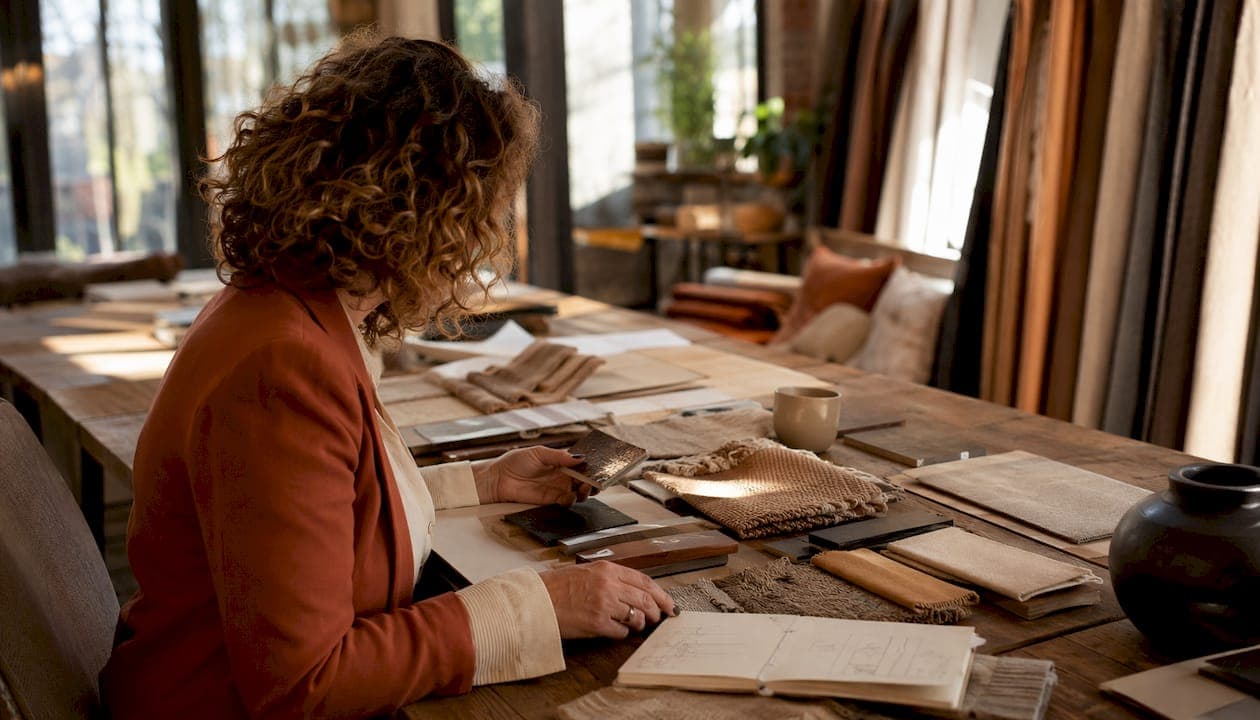
A luxury decor investment checklist is the structured framework professionals use to separate enduring, high-craftsmanship pieces from expensive-looking items that lose value quickly. Thoughtful investment in decor means evaluating material quality, artisanal construction, cultural provenance, and long-term cost-per-use before committing to any significant purchase. This guide walks homeowners and interior designers through each critical checkpoint, drawing on expert standards from sources like ReModern Living and industry planning guides, so every piece you bring home earns its place with beauty, durability, and meaning.
1. What materials and construction features define true luxury decor?
Material quality is the single most reliable indicator of genuine luxury. Solid hardwood frames, full aniline leather, hand-thrown ceramics, and natural stone all age with character rather than deteriorating. Mass-produced pieces often substitute engineered wood, bonded leather, or synthetic composites that look similar at first glance but fail within years.
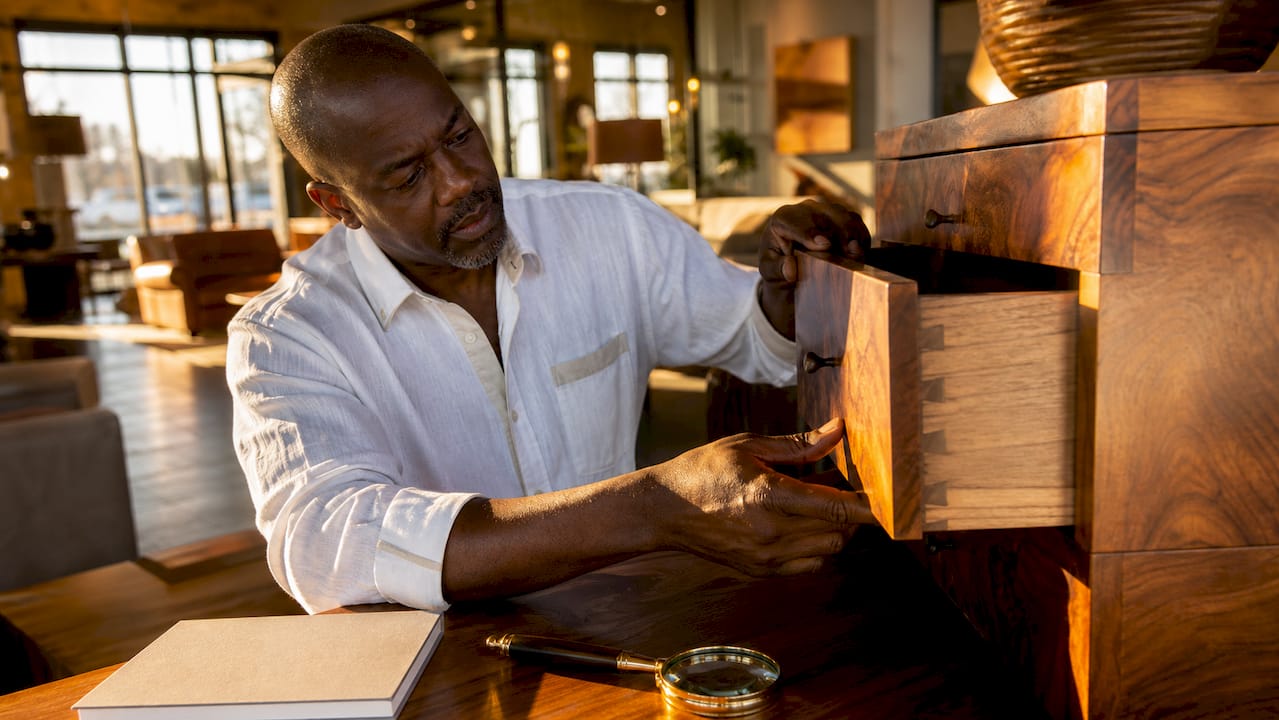
Expert buyers scrutinize joinery like mortise-and-tenon and dovetail construction as primary markers of craftsmanship. These techniques require skill and time. They also produce joints that hold under daily stress for decades, unlike stapled or glued alternatives.
- Frame material: Solid hardwood (kiln-dried oak, walnut, or maple) resists warping and supports upholstery tension over time.
- Upholstery suspension: Eight-way hand-tied coil systems outlast sinuous spring or webbing alternatives by a significant margin.
- Joinery: Mortise-and-tenon and dovetail joints signal hand-finished construction. Avoid pieces held together with staples or visible fasteners.
- Hardware: Solid brass or forged steel hardware ages gracefully. Plated or hollow hardware corrodes and loosens.
- Finishing: Hand-applied lacquers, burnished edges, and wax finishes indicate artisan attention. Machine-applied coatings are uniform but lack depth.
Lifting and testing furniture mechanics reveals build quality immediately. Substantial weight and smooth drawer or door operation signal superior joinery. A piece that rattles, flexes, or feels hollow is not a luxury investment regardless of its price tag.
Pro Tip: Run your hand along the underside of a table or the back of a cabinet. Luxury makers finish surfaces you rarely see. Unfinished backs and rough undersides indicate cost-cutting in production.
2. How to prioritize your luxury decor budget for maximum long-term value
Budget allocation determines whether your high-end interior checklist produces a coherent, lasting result or a collection of expensive mismatches. The principle is simple: spend the most on pieces you use the most.
The "Big Three" investment rule directs the largest share of your budget toward the sofa, dining table, and primary bed. These three anchor pieces define the comfort and design flow of an entire home. They also absorb the most daily wear, making material quality directly proportional to longevity.
A practical allocation framework works as follows:
- Sofa (25–35% of furniture budget): The sofa is the most-used piece in any living space. Invest in solid hardwood frames, quality cushion fill, and durable upholstery fabric.
- Dining table (15–20%): A solid wood or stone-top table withstands daily use and becomes a generational piece. Avoid veneers on high-contact surfaces.
- Primary bed frame and mattress (20–25%): Sleep quality and bedroom aesthetics both depend on this investment. A well-built bed frame lasts decades.
- Accent pieces and textiles (20–30%): Rugs, lighting, art, and decorative pillows complete the space. These carry strong aesthetic impact at a lower cost-per-use ratio.
- Contingency (10%): Standard luxury renovation planning recommends a 5–10% contingency budget for unforeseen conditions. Apply the same discipline to decor projects.
Pro Tip: Calculate cost-per-use for any major piece. A $4,000 sofa used daily for 15 years costs less per day than a $1,200 sofa replaced every four years. The math almost always favors the quality investment.
3. What role does cultural authenticity play in a decorating investment guide?
Cultural authenticity is not a decorative trend. It is a quality signal. Pieces rooted in genuine artisan traditions carry embedded knowledge, refined technique, and material integrity that mass production cannot replicate. This distinction matters deeply in any serious art investment checklist or premium home styling approach.
Quiet luxury pieces favor natural materials, artisanal finishes, and discreet detail over logos or visible branding. The philosophy holds that true value speaks through texture, proportion, and craft rather than through labels. A hand-woven textile or a hand-thrown ceramic communicates more about quality than any brand name stamped on its surface.
When evaluating cultural authenticity in decor, look for these markers:
- Provenance documentation: Reputable artisan pieces come with information about the maker, region, and technique. Ask for it.
- Natural dye and finish methods: Traditional dyeing and finishing processes produce color depth and variation that synthetic processes cannot match.
- Regional technique specificity: Techniques like Oaxacan weaving, Talavera ceramics, or hand-embroidered textiles from specific Mexican states carry centuries of refinement.
- Material sourcing: Authentic pieces use locally sourced natural materials. This grounds the object in its cultural context and often improves durability.
Layered textures, neutral palettes, and high-performance materials create quiet luxury with both durability and aesthetic grace. Createdecorus builds this philosophy into every piece, drawing on traditional Mexican artistry to produce accents that carry genuine cultural weight alongside tactile beauty. Researching an artisan's background before purchasing is not excessive due diligence. It is the standard practice of a serious collector.
4. How to verify dimensions and plan for seamless integration
Spatial planning prevents the most common and costly luxury decor mistakes. A beautiful piece that does not fit its intended space, or that clashes with existing architecture, represents a failed investment regardless of its individual quality.
Digital twin modeling and clash detection eliminate nearly all onsite conflicts before delivery. These tools create precise digital representations of a room and test whether custom or large-scale pieces fit within architectural clearances. Skipping this step is expensive. Neglecting digital coordination can increase luxury home project budgets by 12–18%. That figure reflects real money lost to redesigns, returns, and labor.
Custom 3D planning tools help visualize bespoke furniture configurations precisely, which increases investment confidence and reduces replacement risk. Most professional interior designers use these tools as standard practice. Homeowners working independently can access consumer-grade versions through several widely available design platforms.
Pro Tip: Always verify three dimensions: floor footprint, height clearance, and diagonal entry measurement. A sofa that fits a room perfectly may not fit through the doorway or around a staircase landing. Measure the path, not just the destination.
High-end handcrafted decor often carries lead times of six months or more. That timeline requires early ordering and logistics planning. Build your project schedule backward from your target completion date, not forward from your order date.
Design coherence is the final integration checkpoint. Each new piece should speak to the existing palette, material language, and scale of the room. Defining a strict design style filter before purchasing prevents impulsive decisions that fragment a carefully built interior. A single off-note piece can undermine the visual authority of an entire room.
5. Five questions to ask before any luxury decor purchase
Asking five core questions about frame material, upholstery, joinery, aging, and repair support reveals true value beyond marketing. These questions work for furniture, textiles, art, and decorative objects alike. They cut through presentation and force a conversation about substance.
The five questions are:
- What is the frame or base material? Solid wood, stone, and forged metal are durable. Engineered composites and hollow fills are not.
- How is the upholstery or surface attached? Hand-tied, hand-stitched, or hand-applied finishes indicate craft. Stapled or glued applications indicate speed.
- What joinery technique holds the structure together? Mortise-and-tenon and dovetail are the gold standard. Ask to see or feel the joints.
- How will this piece age? Natural materials develop patina. Synthetic materials degrade. The answer tells you whether the piece is an investment or a purchase.
- Is repair or restoration supported? Luxury makers stand behind their work. Reputable artisans and manufacturers offer repair services or replacement parts. Disposable decor does not.
These questions also apply to handcrafted luxury decor like decorative pillows, ottomans, and woven accents. The same principles of material integrity and artisan accountability hold across every category.
6. Sustainability and ethical sourcing as investment criteria
Sustainability is not a marketing add-on in serious luxury decor investment. It is a quality indicator. Pieces made from responsibly sourced materials and produced under ethical labor conditions tend to use better raw inputs and more careful construction methods.
European furniture brands often exceed sustainability and manufacturing standards, with the EU Ecodesign Regulation driving material resilience and design coherence across the sector. This regulatory pressure produces furniture that lasts longer and uses fewer harmful finishes. The same logic applies globally: brands that invest in ethical sourcing tend to invest in quality throughout their process.
For homeowners and designers building a luxury home decor collection with longevity in mind, sustainability criteria serve as a practical filter. Ask whether the wood is FSC-certified, whether dyes are natural or low-impact, and whether the maker pays fair wages to artisans. These answers correlate strongly with the material and construction quality you are already evaluating.
Createdecorus sources natural materials and works with Mexican artisans whose craft traditions prioritize both quality and cultural stewardship. That combination produces pieces that meet both the aesthetic and ethical standards of a serious decorating investment guide.
Key takeaways
A luxury decor investment checklist works because it forces material, spatial, and cultural evaluation before purchase, replacing impulse with informed judgment.
| Point | Details |
|---|---|
| Prioritize the Big Three | Allocate the largest budget share to sofa, dining table, and primary bed for maximum cost-per-use return. |
| Verify joinery and materials | Mortise-and-tenon joints, solid hardwood frames, and hand-applied finishes distinguish genuine craft from appearance. |
| Plan dimensions digitally | Use 3D tools and clash detection to prevent costly integration errors before delivery. |
| Demand cultural provenance | Ask for maker documentation, regional technique specifics, and natural material sourcing before purchasing artisan pieces. |
| Budget a contingency | Reserve 5–10% of your total decor budget for lead time delays, logistics premiums, and unforeseen conditions. |
What I have learned about investing in luxury decor
The most common mistake I see is confusing price with quality. A high price tag is not a checklist. It is a starting point for investigation.
The pieces that hold their value and their beauty over time share one trait: someone cared deeply about how they were made. That care shows up in the weight of a drawer, the tension of an upholstered seat, the depth of a hand-applied finish. It does not always show up in the marketing.
I have also watched designers lose coherence by chasing individual statement pieces without a unifying material language. A room full of extraordinary objects can still feel fragmented if the palette, scale, and texture do not speak to each other. The checklist discipline matters precisely because it keeps the whole room in view, not just the next purchase.
Cultural authenticity deserves more weight than most guides give it. A piece rooted in a living craft tradition carries something that factory production cannot replicate: the accumulated knowledge of generations. When Createdecorus describes every piece as carrying a piece of Mexican soul, that is not marketing language. It describes a real difference in how the object was conceived, made, and finished. That difference is visible, tactile, and lasting.
My honest advice: slow down. The best luxury decor investments are never impulsive. They are the result of asking hard questions, measuring carefully, and choosing pieces that will still feel right ten years from now.
— Ernesto
Handcrafted luxury accents worth investing in
Createdecorus handcrafted pillows and home accents meet every standard on this checklist. Each piece is made in Mexico by artisans who work with natural materials, traditional techniques, and a commitment to detail that shows in every stitch and texture.
The collection spans decorative pillows, ottomans, and woven accents that bring authentic Mexican artistry into contemporary living spaces. These are not accent pieces chosen for trend. They are investment-grade decor built to age with character and hold their beauty through years of daily life. For designers and homeowners who want pieces that carry both cultural weight and tactile quality, the full Createdecorus collection offers a curated starting point grounded in craft, not excess.
FAQ
What is a luxury decor investment checklist?
A luxury decor investment checklist is a structured evaluation framework covering material quality, joinery, cultural provenance, spatial fit, and budget allocation. It helps homeowners and designers make purchases that hold value and beauty over time.
Which furniture pieces deserve the largest budget share?
The sofa, dining table, and primary bed, known as the Big Three, deserve the largest share of any luxury furnishing budget. These anchor pieces absorb the most daily use and define the design flow of an entire home.
How do I spot genuine craftsmanship in luxury decor?
Look for mortise-and-tenon or dovetail joinery, solid hardwood or natural stone construction, and hand-applied finishes. Lifting a piece and testing its mechanics reveals build quality that surface appearance alone cannot confirm.
Why does cultural authenticity matter in luxury decor investment?
Culturally authentic pieces carry embedded artisan knowledge, natural materials, and regional technique specificity that mass production cannot replicate. These qualities signal durability, uniqueness, and long-term value beyond any brand name.
How much contingency budget should I plan for luxury decor projects?
Standard luxury planning practice calls for a 5–10% contingency reserve. High-end handcrafted pieces often carry lead times of six months or more, making financial and logistical contingency planning a practical necessity, not an option.