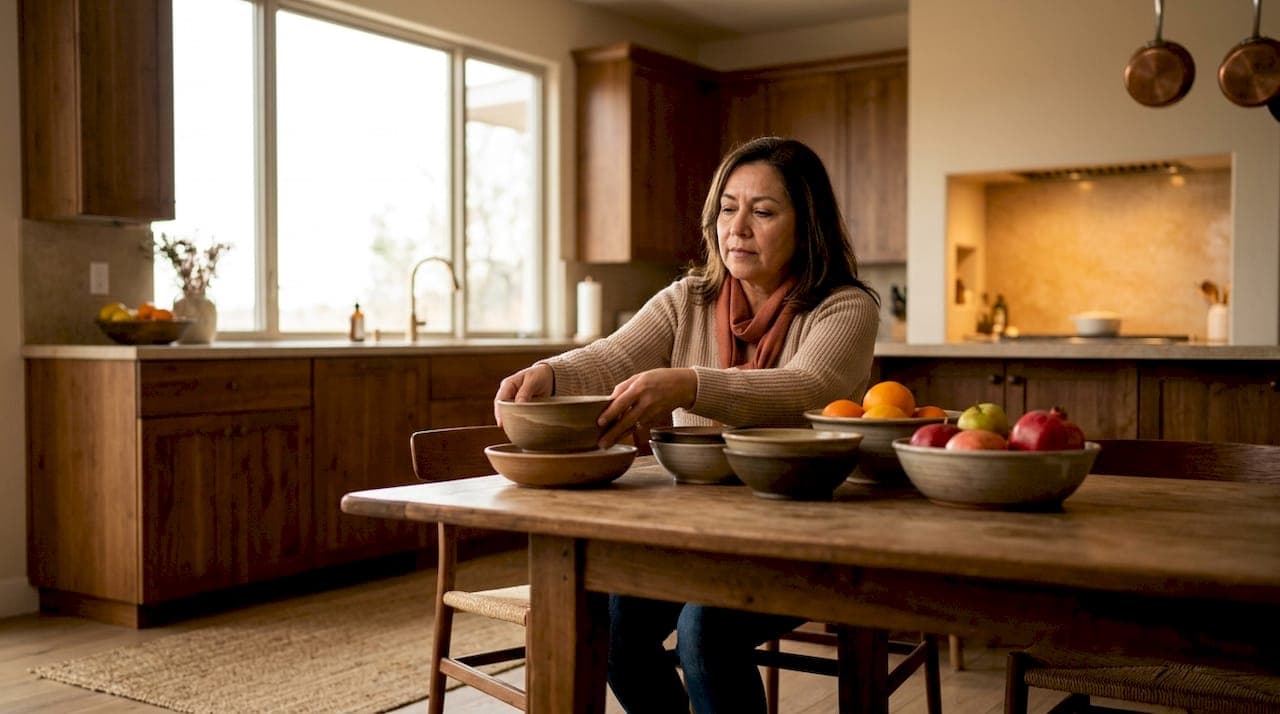
Comfort-driven luxury decor is defined as a design philosophy that places tactile ease, quality materials, and emotional resonance at the center of every space. The industry often calls this approach "livable luxury" or "relaxed luxury," and both terms capture the same core idea: a home should feel as good as it looks. This style moves away from formal, untouchable rooms toward spaces built for real daily life. It prioritizes craftsmanship and longevity over fleeting trends, and it treats every object as a deliberate choice rather than a filler. At Createdecorus, we believe this philosophy finds its fullest expression when cultural heritage and artisan tradition enter the conversation.
What is comfort-driven luxury decor, and how is it defined?
Comfort-driven luxury decor is the intentional union of physical ease and refined, high-quality design. The standard industry term for this approach is "livable luxury," and it stands in direct contrast to the cold, display-only interiors that once defined high-end homes. Luxury decor is defined by intentionality, quality materials, and longevity rather than excess or fleeting trends. That distinction matters because it shifts the measure of luxury from price tags to purpose.
The philosophy rests on three pillars: material quality, human scale, and emotional authenticity. A space built on these pillars feels welcoming the moment you walk in. It does not demand that you sit carefully or avoid touching anything. Instead, it invites you to settle in, breathe, and stay.
Createdecorus grounds this philosophy in Mexican artisan tradition, where every handcrafted piece carries generations of skill and cultural meaning. That heritage adds a layer of emotional depth that mass-produced decor simply cannot replicate. When a room contains objects made with genuine care, the comfort you feel is not accidental. It is designed in.
What materials and design elements define comfortable luxury design?
The materials in a comfort-driven space do the heaviest lifting. Full-grain leather, solid marble, hand-cast bronze, and natural linen each communicate quality before you touch them. Sight leads before touch; the brain perceives comfort and warmth through visual cues like proportion, surface quality, and natural light. This means your material choices shape how a room feels from across the room, not just up close.
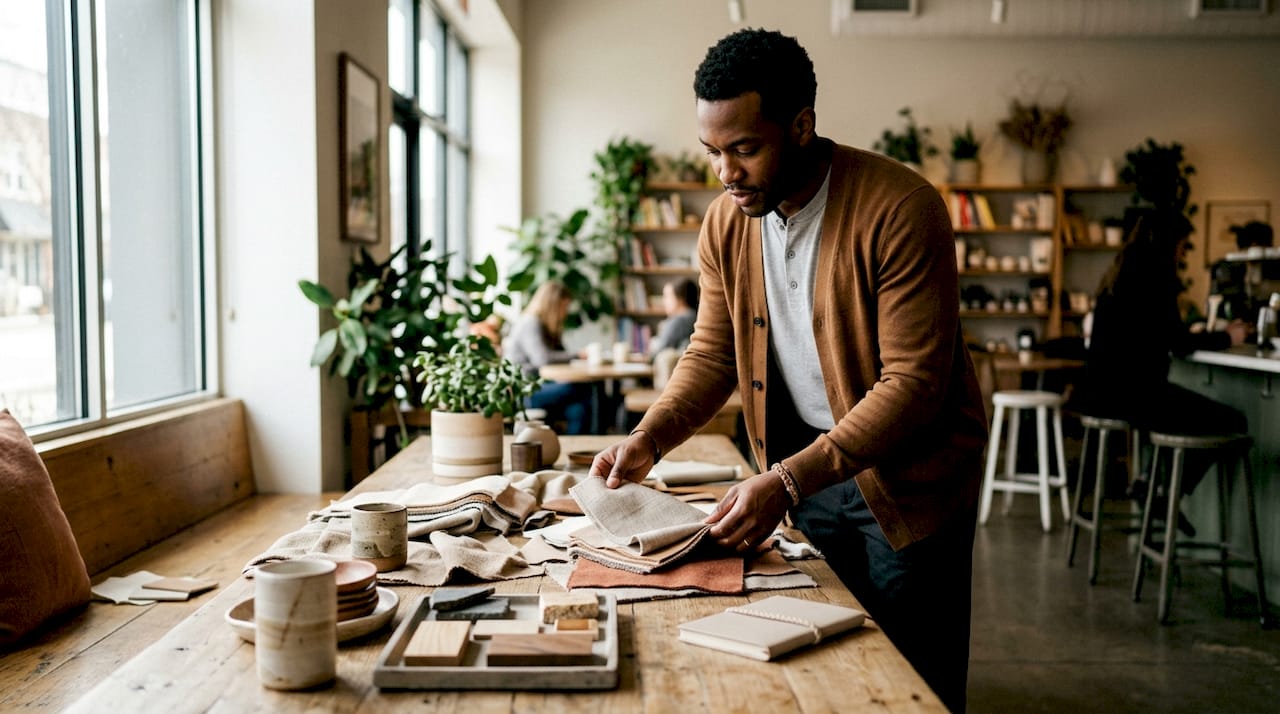
Tactile layering is the technique that separates a truly comfortable luxury space from one that only looks the part. Plush rugs underfoot, cushions with genuine fill weight, throws in natural fibers, and layered bedding all add sensory depth. Each layer invites physical contact and signals that the space was designed for a person, not a photograph.
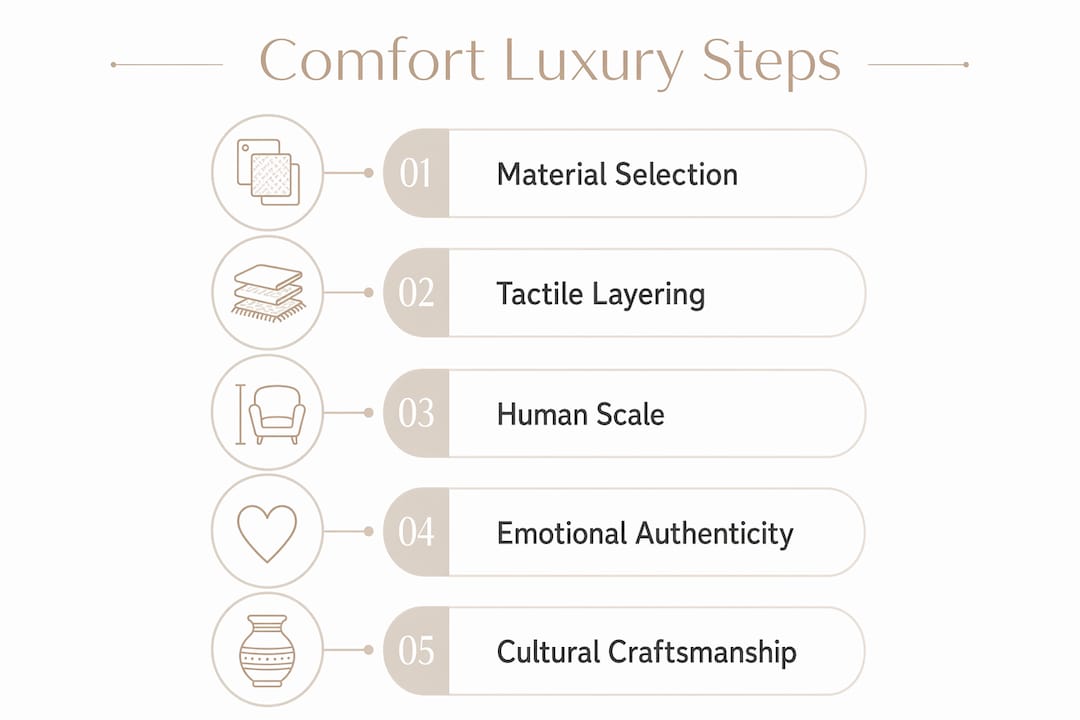
Pro Tip: When layering textiles, vary the texture rather than the color. A linen cushion, a wool throw, and a velvet pillow in the same warm tone create more visual richness than three different colors in the same fabric.
Key material and design principles include:
- Natural fibers first. Wool, cotton, linen, and silk age gracefully and feel better with use.
- Proportion over scale. Furniture sized to the human body, not the room, creates immediate physical comfort.
- Surface quality. Matte finishes, hand-applied textures, and natural grain patterns signal craftsmanship at a glance.
- Restraint in decoration. Calculated restraint lets fewer, high-quality items breathe in a space, creating a visceral sense of calm and expense.
- Natural light as a material. Sheer curtains, reflective surfaces, and open sightlines treat light as a design element, not an afterthought.
Avoiding synthetic trends and over-decoration is not minimalism for its own sake. It is a commitment to letting each chosen piece carry its full weight. When every object earns its place, the room feels curated rather than crowded.
How is comfortable luxury design evolving in 2026?
Modern design trends emphasize "relaxed luxury" measured by how well spaces adapt to daily life and human scale, rather than formal display. This shift is significant. It means designers now prioritize storage placement, adaptive lighting, and flexible furniture arrangements over symmetrical showroom layouts. The home is finally being designed for the people who live in it.
The evolution follows a clear progression:
- From formal to functional. Rooms once reserved for guests are being reclaimed for daily rituals, reading, working, and gathering.
- From trendy to timeless. Homeowners are choosing pieces with longevity in mind, asking "Will I still love this in ten years?" before buying.
- From flashy to felt. Emotional comfort now outranks visual spectacle. A space that makes you feel safe and supported is considered more luxurious than one that impresses strangers.
- From fast to slow. The slow luxury mindset prioritizes craftsmanship, quality, and sustainability, resulting in homes that feel authentic and lasting.
- From generic to personal. Spaces now adapt to occupant habits and rituals, from morning coffee corners to evening reading nooks.
"Quiet luxury is an aesthetic choice. Slow luxury is a mindset. It focuses on thoughtful selection, longevity, and sustainability as a natural byproduct of caring about what you bring into your home."
This distinction between quiet luxury and slow luxury is worth holding onto. Quiet luxury tells you what a space looks like. Slow luxury tells you how it was built and why it will last. Comfort-driven luxury decor lives firmly in the slow luxury camp, because the goal is a home that grows more meaningful over time, not one that photographs well for a season.
What role do small decor items play in achieving cozy upscale interiors?
Small decor items are the most accessible entry point into comfort-driven luxury. Cushions, throws, and plush rugs are the most frequently purchased items homeowners use to add tactile luxury without renovations. That pattern reflects a real truth: you do not need to rebuild a room to change how it feels. You need to change what you touch.
Layered textiles do more than look inviting. Soft furnishings absorb sound, which reduces echo and creates the acoustic warmth that makes a room feel intimate rather than cavernous. A well-placed rug and a set of plush cushions can transform a hard-surfaced living room into a space that feels genuinely restful.
Pro Tip: Choose cushion fills with real weight. Down or down-alternative inserts that are slightly overstuffed hold their shape and feel generous, which reads as luxury. Flat, underweight inserts undermine even the most beautiful cover.
The emotional dimension of small accessories is equally real. Soft luxury focuses on how spaces make people feel safe, familiar, and intuitively supported. A handcrafted pillow from Createdecorus, woven with traditional Mexican patterns and filled with care, does not just occupy a sofa. It becomes a gesture of welcome every time someone sits down.
| Accessory type | Primary comfort benefit | Luxury signal |
|---|---|---|
| Handcrafted cushions | Tactile softness, acoustic absorption | Artisan texture, cultural depth |
| Wool or cotton throws | Physical warmth, visual layering | Natural fiber quality |
| Plush area rugs | Underfoot comfort, acoustic warmth | Material weight and density |
| Decorative ottomans | Flexible seating, surface variety | Craftsmanship and proportion |
Strategic selection matters more than quantity. One well-chosen luxury throw pillow with genuine artisan construction outperforms five mass-produced versions in both feel and longevity.
How can homeowners blend cultural authenticity with luxury comfort style?
Cultural authenticity is not a decorating trend. It is the quality that makes a comfortable luxury space feel irreplaceable rather than interchangeable. Layering pieces beginning with emotional anchors and adding vintage and high-quality items creates balanced luxury spaces with genuine character. The emotional anchor is the starting point: an object you already love, one that carries personal or cultural meaning.
Blending heritage crafts with contemporary furniture follows a clear logic:
- Start with what you love. An heirloom textile, a handcrafted ceramic, or a piece made by artisans in a specific tradition grounds the room in something real.
- Add structure with quality. A well-made sofa or a solid wood table provides the contemporary backbone that lets heritage pieces stand out rather than compete.
- Use restraint as a tool. Placing one significant handcrafted piece in a room gives it room to speak. Filling every surface silences everything.
- Let history and modernity converse. Pairing a Mexican craft piece with a clean-lined contemporary chair creates a dialogue between artisan heritage and modern design that neither piece achieves alone.
| Approach | Result |
|---|---|
| Heritage piece as focal point | Depth and uniqueness without visual noise |
| Mixed vintage and contemporary | Layered history with present-day comfort |
| Restraint in placement | Each piece carries full emotional weight |
| Culturally specific textiles | Personal identity woven into the space |
The Createdecorus approach to this balance draws directly from Mexican artisan tradition. Bold colors, rich textures, and handwoven patterns carry centuries of craft knowledge. When placed thoughtfully in a modern interior, they do not clash with contemporary design. They complete it.
Key Takeaways
Comfort-driven luxury decor succeeds when quality materials, emotional authenticity, and cultural craftsmanship work together in a space designed for real daily life.
| Point | Details |
|---|---|
| Definition of the style | Livable luxury combines tactile ease, quality materials, and emotional resonance in every design choice. |
| Materials matter most | Natural fibers, hand-applied textures, and proper proportion signal luxury before anyone touches a thing. |
| Small items drive big change | Handcrafted cushions, throws, and rugs transform how a space feels without structural renovation. |
| Slow luxury over fast trends | Prioritizing craftsmanship and longevity produces spaces that grow more meaningful over time. |
| Cultural authenticity adds depth | Heritage pieces used as emotional anchors create rooms that feel personal and irreplaceable. |
Why restraint is the hardest and most rewarding design choice
I have walked through hundreds of beautifully furnished rooms that felt cold the moment I entered them. The furniture was expensive. The layout was correct. But something was missing, and it took me years to name it precisely. The rooms had been designed to impress, not to hold a person.
The most common mistake I see homeowners make is filling every surface because they are afraid of emptiness. Emptiness feels unfinished. But restraint is not emptiness. Restraint is confidence. It says: this piece is good enough to stand alone. That confidence is what handcrafted pieces bring to a room in a way that mass-produced objects rarely can.
I also think the cultural authenticity angle is undervalued in mainstream design conversations. Most luxury decor advice focuses on materials and proportion, which are real and important. But the rooms that stay with me are the ones where I can feel that someone lived there, that the objects were chosen because they meant something. A handwoven pillow from Oaxaca, a ceramic from Puebla, a textile that carries the color vocabulary of a specific tradition: these objects do not just decorate a room. They tell you who lives there.
My honest advice is this: trust your cultural roots before you trust a trend. Trends cycle. Heritage does not. A room built around objects that carry genuine meaning will feel luxurious and comfortable long after the current aesthetic has moved on. That is the real promise of comfort-driven luxury decor, and it is one worth keeping.
— Ernesto
Createdecorus and the art of comfortable luxury
Createdecorus handcrafts luxury home accents in Mexico, where artisan tradition and bold design have coexisted for centuries. Every pillow, ottoman, and textile in the collection is made with the same intention: to bring genuine comfort and cultural depth into your living space.
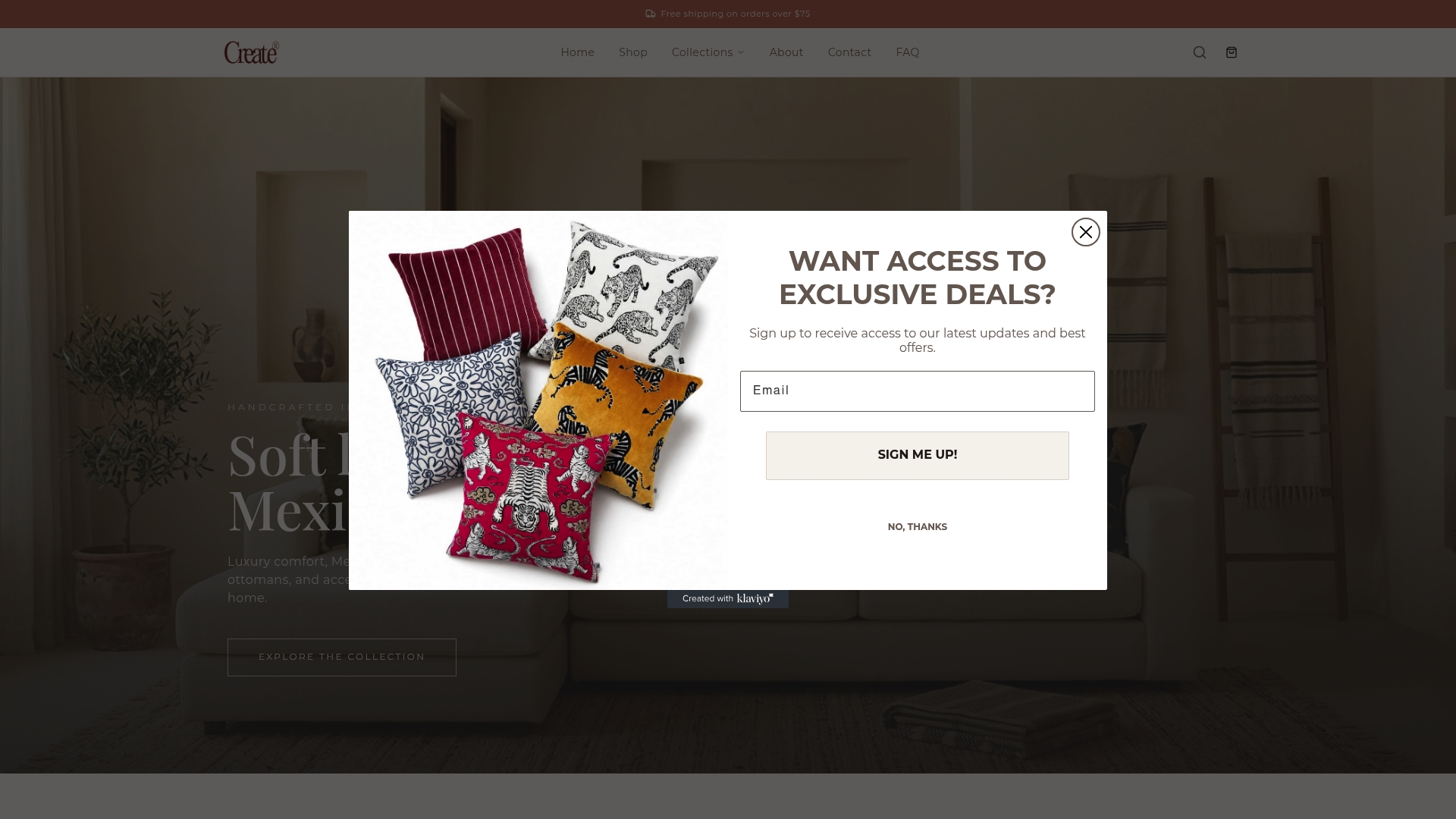
If you are ready to move beyond generic decor and invest in pieces that feel as good as they look, the Createdecorus collection offers a curated range of handcrafted accents built for real homes and real life. Each piece carries the warmth of Mexican craftsmanship and the quality that makes a room feel complete. You can also browse the full shop selection to find the right accent for your space, whether you are starting with one statement pillow or layering an entire room.
FAQ
What is the difference between quiet luxury and slow luxury?
Quiet luxury describes a visual aesthetic defined by understated, high-quality pieces. Slow luxury is a mindset prioritizing craftsmanship, longevity, and sustainability over trend-driven choices.
Do small decor items really make a difference in luxury interiors?
Yes. Cushions, throws, and plush rugs are the most frequently purchased items for adding tactile luxury without renovation. They also improve acoustics and create the sensory warmth that makes a room feel genuinely restful.
How do I avoid over-decorating when blending cultural pieces with modern furniture?
Use one culturally significant piece as an emotional anchor, then build around it with restraint. Letting items breathe in a space creates a sense of calm and expense that clutter destroys.
What materials signal comfort-driven luxury most effectively?
Full-grain leather, natural linen, wool, solid marble, and hand-cast bronze all communicate quality visually before physical contact. Natural fibers age well and feel better with use, which reinforces the longevity principle central to this style.
Is comfort-driven luxury decor compatible with sustainability?
Comfort-driven luxury naturally aligns with sustainability because it prioritizes quality and craftsmanship that lasts for years, reducing the waste typical of fast-fashion decor cycles.