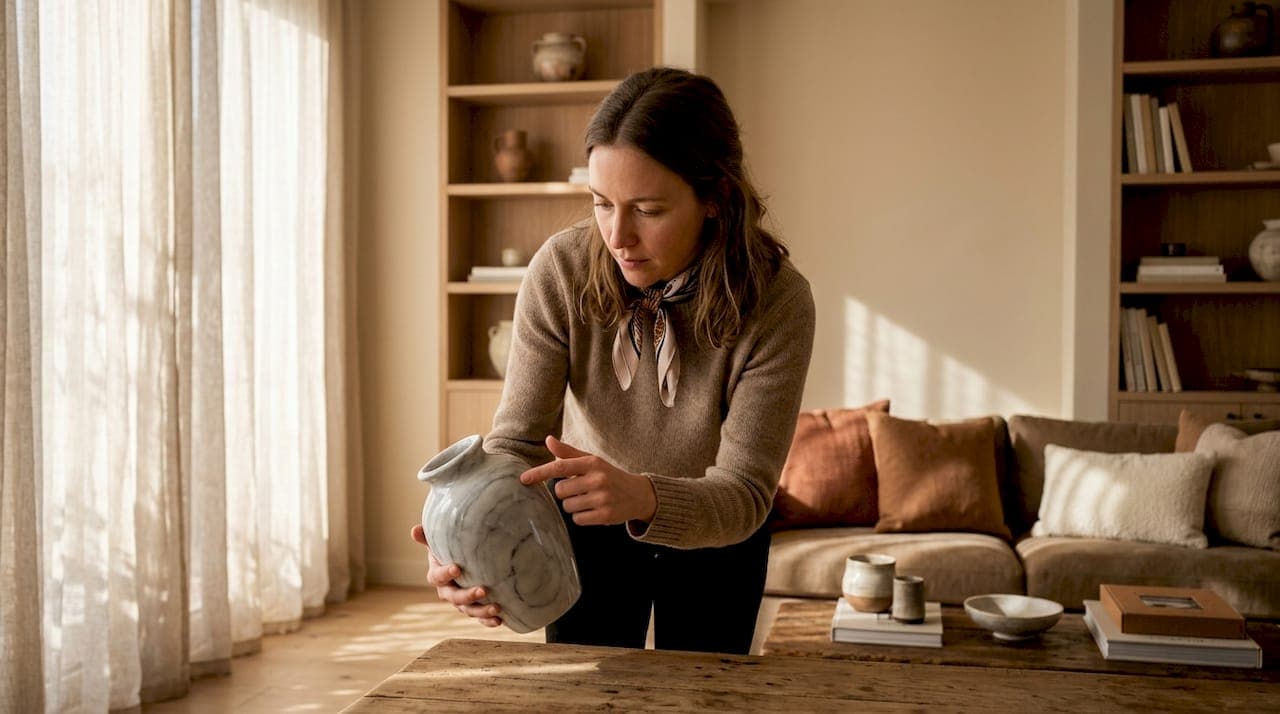
Transitioning home decor to a luxury feel is defined by three core principles: material integrity, cohesive visual language, and layered lighting. Upscale interior design does not require a full renovation or an unlimited budget. The less-is-more principle holds that fewer, well-chosen pieces communicate luxury far more effectively than rooms crowded with trends. Luxury is felt before it is defined, and every detail you choose should reflect your authentic style rather than a price tag. This guide gives you a practical, room-by-room roadmap for creating a lavish atmosphere with intention and cultural richness.
How to prioritize high-quality materials for a luxury feel
Material integrity is the foundation of upscale interior design. Designers consistently recommend natural materials like marble, stone, and solid wood over synthetic alternatives because they age with character rather than degrading in appearance. A stone side table or a solid walnut credenza carries a visual weight that no laminate surface can replicate. The difference is tactile and immediate.
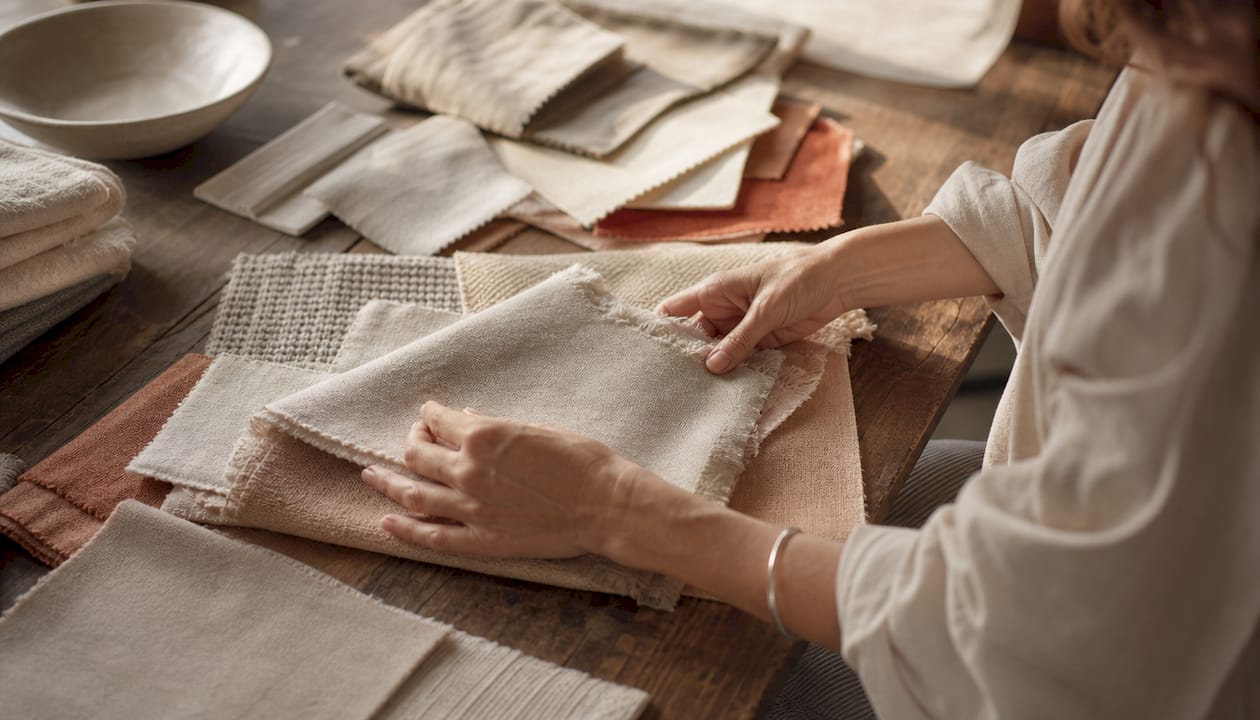
The "fewer, larger" furniture principle is equally important. Investing in fewer but larger pieces improves proportion and spaciousness, both of which are central to the luxury aesthetic. One generously scaled sofa in a high-quality linen or velvet reads as more refined than three mismatched seating pieces. Proportion signals confidence, and confidence is the hallmark of a well-designed room.
High-quality textiles deserve the same scrutiny as furniture. When selecting fabrics, look for these markers of authenticity:
- Natural fiber content: Linen, wool, silk, and velvet all have a natural drape and texture that synthetics mimic poorly.
- Thread count and weave density: Higher thread counts in cotton and linen indicate durability and a softer hand feel.
- Weight: Heavier fabrics hang better and signal quality. Lift a pillow or curtain panel. Lightness often means shortcuts.
- Artisan construction: Hand-stitched details, visible selvedge edges, and consistent pattern matching are signs of craftsmanship.
Pro Tip: Rub a fabric sample between your fingers for five seconds. Quality natural textiles warm slightly from friction. Synthetics stay cool and often feel slightly slick.
Statement pieces anchor a room's luxury identity. A single handcrafted accent piece with bold texture or cultural detail does more for a space than a shelf of generic objects. Choose one piece per room that earns your eye's attention, then build around it with restraint.
How does a cohesive color palette create a luxury atmosphere?
A unified color palette is the single fastest way to make a home feel more polished. Experts recommend a neutral or analogous color scheme because it creates a visual flow between rooms that reads as effortless and intentional. Warm whites, soft taupes, deep terracottas, and muted sage greens all work well as base tones. The goal is continuity, not monotony.
Custom drapery is one of the most underrated tools in chic home decor. Installing drapery high and wide pulls the eye upward, making ceilings appear taller and rooms more stately. Floor-to-ceiling panels in a linen or velvet blend add softness and architectural weight simultaneously. This single upgrade changes how a room feels before you change anything else.
Hardware upgrades complete the picture. Swapping standard cabinet hardware for coordinated, high-quality pieces is a low-cost upgrade with substantial aesthetic return. Designers identify cabinet pulls, doorknobs, and faucets as consistently overlooked elements. Matching your hardware finish across a room, whether brushed brass, matte black, or polished nickel, creates the kind of consistency that signals a designer's hand.
Culturally rich color choices add depth that purely neutral palettes cannot. Mexican color symbolism offers a masterclass in using bold, saturated accents within a composed palette. Deep indigo, terracotta, and ochre introduced through textiles and accessories add warmth and personality without overwhelming a neutral base. The result is a space that feels both curated and alive.
| Design Element | Luxury Impact |
|---|---|
| Neutral or analogous palette | Creates visual flow and cohesion between rooms |
| Floor-to-ceiling drapery | Makes ceilings appear taller and rooms more stately |
| Coordinated hardware finishes | Signals intentional design throughout the space |
| Culturally rich accent colors | Adds warmth and personality to a composed palette |
Consistent finishes and well-planned sightlines between rooms create an effortless luxury feel. When you stand in one room and look into the next, the colors, materials, and finishes should feel like a conversation, not a contradiction.
What layered lighting techniques work best for luxury interiors?
Layered lighting is the most powerful and most overlooked tool in creating a lavish atmosphere. A 2026 study in Lighting Research & Technology found that rooms with layered lighting rated significantly higher in perceived warmth and quality compared to rooms with single overhead fixtures. That gap in perception is enormous. One lighting change can make a room feel like a different home.
The three layers work together to create depth:
- Ambient lighting is the base layer. It fills the room with general illumination. Recessed ceiling lights, chandeliers, and flush-mount fixtures all serve this role. The goal is even, soft coverage without harsh shadows.
- Task lighting serves specific functions. Reading lamps, under-cabinet kitchen lights, and vanity fixtures belong here. Task lighting prevents eye strain and adds a purposeful, lived-in quality to a space.
- Accent lighting is where luxury is made. Picture lights, directional spotlights on art or architectural features, and LED strip lighting inside shelving all create focal points. Accent lighting gives a room its drama.
Warm-toned bulbs around 2700K are the standard for luxury interiors. Cooler bulbs above 3000K create an institutional feel that works against warmth and comfort. Warm light also makes natural materials like wood and stone glow rather than flatten.
The most common lighting mistake is relying on a single overhead fixture. That approach flattens a room and erases the shadows that give texture and depth their visual interest. A warm and inviting living room always uses at least two light sources at different heights.
Pro Tip: Install dimmer switches on every circuit you can. Dimmers cost very little and give you full control over mood throughout the day. A room at 40% brightness in the evening feels entirely different from the same room at full power.
Step-by-step process for transitioning your existing decor
A practical upgrade process prevents wasted spending and keeps the work focused. Follow these steps in order.
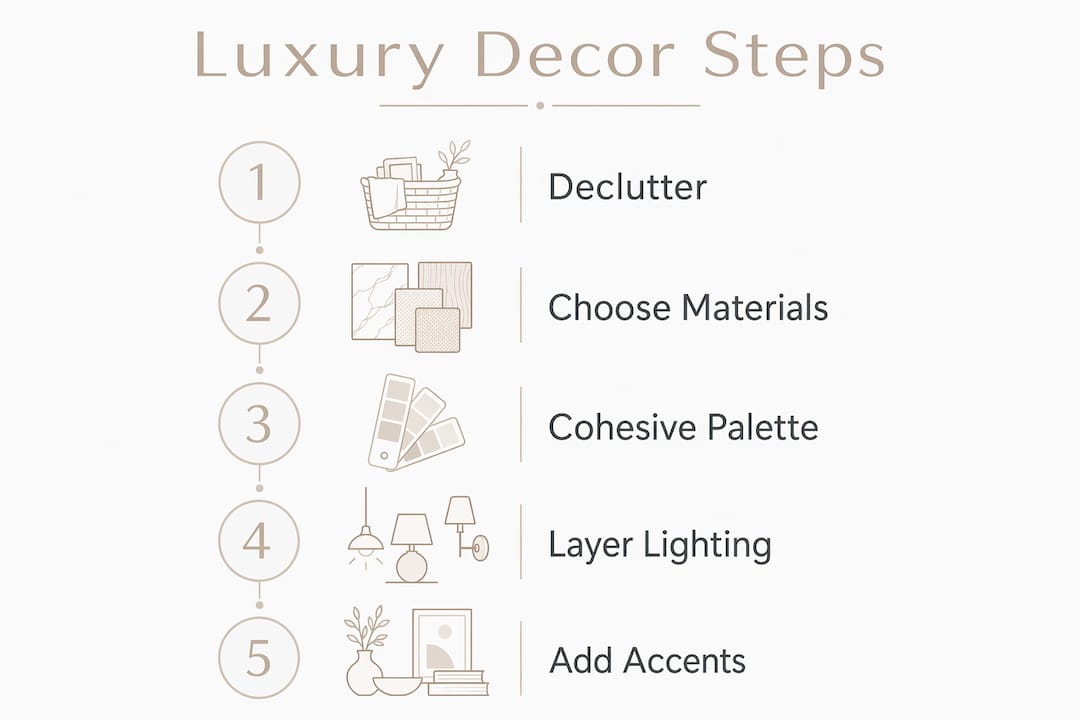
- Assess and declutter first. Editing down clutter is the single most affordable luxury upgrade available. Remove anything that does not serve a function or carry genuine meaning. Empty space is not a design failure. It is the breathing room that makes quality pieces visible.
- Select one priority room. Start with the living room or primary bedroom. These spaces carry the most emotional weight and get the most use. A successful upgrade in one room builds your confidence and clarifies your aesthetic direction.
- Upgrade lighting before furniture. Lighting changes the perception of everything else in the room. Add a floor lamp, swap bulbs to 2700K, and install a dimmer before spending money on new furniture.
- Replace hardware and add drapery. These two upgrades cost relatively little and deliver outsized visual impact. Match your hardware finish across the room and hang drapery as high and wide as your ceiling allows.
- Invest in one statement piece. Choose one handcrafted piece that anchors the room's identity. This could be a textured pillow, an artisan-crafted ottoman, or a piece of original art. Let it set the tone for everything around it.
- Add accessories with restraint. Three well-chosen objects on a surface read as curated. Seven objects read as clutter. The role of accent pieces is to punctuate a room, not fill it.
Common mistakes to avoid during this process:
- Buying furniture before finalizing your color palette
- Mixing too many metal finishes in one room
- Skipping the declutter step and layering new pieces on top of existing clutter
- Choosing trendy pieces over timeless ones with natural materials
- Underestimating the impact of window treatments on room scale
| Upgrade Priority | Expected Impact |
|---|---|
| Declutter and edit | Immediately reveals the quality of what remains |
| Lighting upgrade | Changes mood and material perception throughout the room |
| Hardware and drapery | Low cost, high visual return |
| Statement accent piece | Anchors the room's identity and sets the design tone |
Luxury decor is about intention, not excess
The homeowners I have worked with who struggle most with luxury upgrades share one misconception: they believe luxury requires spending more. The real requirement is choosing with more care. A room filled with expensive objects chosen without intention still feels chaotic. A room with three well-chosen pieces in natural materials, lit thoughtfully, feels like a sanctuary.
The most common challenge I see is the impulse to fill space. Empty wall space and open surfaces make people uncomfortable, as if the room is unfinished. But restraint is the design skill that separates a polished interior from a busy one. Give your best pieces room to breathe, and they will do the work for you.
Cultural touches are where personalization becomes genuinely powerful. A handcrafted pillow with traditional artisan patterns, a ceramic piece made by hand in a specific region, or a textile that carries the color traditions of a particular culture adds a layer of meaning that no mass-produced object can replicate. These details make a home feel inhabited by a person, not assembled from a catalog. That quality is the essence of luxury.
— Ernesto
Createdecorus handcrafted accents for your luxury interior
The finishing touches in a luxury interior are where character lives. Createdecorus crafts handmade luxury pillows and home accents in Mexico, each piece shaped by artisan traditions passed down through generations.
Every piece in the Createdecorus collection uses natural materials, bold culturally grounded colors, and hand-stitched construction. A single Createdecorus pillow placed on a linen sofa introduces the texture, warmth, and intentionality that define a truly upscale interior. These are not accessories chosen for trend. They are pieces chosen for meaning. Browse the collection to find the accent that anchors your space with artisan heritage and genuine craft.
Key takeaways
Transitioning home decor to a luxury feel requires material integrity, cohesive color flow, and layered lighting working together as a unified system.
| Point | Details |
|---|---|
| Material integrity first | Choose natural materials like marble, solid wood, and quality textiles over synthetic alternatives. |
| Fewer, larger pieces | One well-scaled furniture piece in a natural material outperforms several mismatched budget items. |
| Cohesive color palette | A neutral or analogous scheme with matched hardware finishes creates a polished, unified look. |
| Layered lighting at 2700K | Combine ambient, task, and accent layers with warm-toned bulbs to add depth and perceived quality. |
| Declutter before upgrading | Removing clutter is the most affordable first step and reveals the quality of what remains. |
Perspective
FAQ
What is the fastest way to make a home look more luxurious?
Decluttering and upgrading lighting are the two fastest changes with the highest visual return. Adding warm-toned bulbs at 2700K and removing excess objects costs very little and changes how a room feels immediately.
Do I need to renovate to achieve a luxury interior feel?
No renovation is required. Experts confirm that quality fabrics, good lighting, and decluttering can dramatically improve a luxury feel without structural changes.
What materials signal luxury in home decor?
Marble, stone, solid wood, linen, velvet, and wool are the materials designers recommend for luxury interiors. These natural materials age with character and carry a tactile quality that synthetic alternatives cannot replicate.
How does color choice affect the luxury feel of a room?
A neutral or analogous color palette creates visual flow between rooms, which reads as intentional and refined. Culturally rich accent colors introduced through textiles add warmth and personality without disrupting cohesion.
What is the best lighting setup for a luxury home interior?
Three-layer lighting using ambient, task, and accent fixtures with warm-toned bulbs at 2700K creates the depth and warmth that define high-end interiors. Dimmer switches on every circuit give you full control over mood at any time of day.