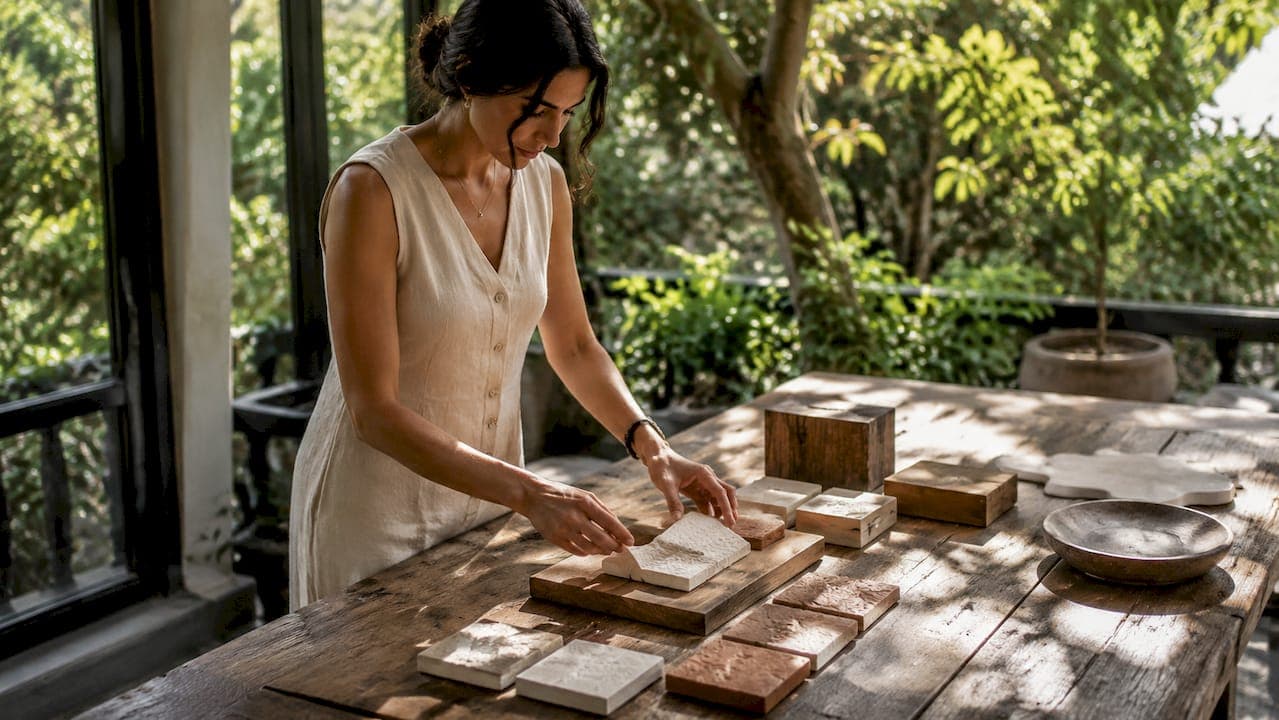
Handcrafted decor styles for modern interiors are defined by the intentional union of artisan craftsmanship and contemporary design principles, producing spaces that feel both alive and enduring. In the design world, this approach is often called "artisanal modernism," a term that captures the dialogue between hand-made tradition and clean, present-day aesthetics. The best rooms in this style carry something mass production simply cannot replicate: the mark of a human hand. From Mexican crafts paired with contemporary furniture to hand-cast ceramic tiles on walnut cabinetry, the materials and methods behind artisan home decor are what give modern spaces their warmth and character.
1. Which handcrafted materials define modern artisanal decor styles?
Hand-cast ceramic tiles on wood create a sculptural and tactile aesthetic that defines current artisanal-modern luxury. The contrast between the rigid geometry of ceramic and the organic grain of oak or walnut produces a visual tension that anchors minimalist furniture without overwhelming it. This material pairing is one of the most cited moves in 2026 interior design.
Beyond ceramics, the choice of wood species shapes the entire character of a piece. Walnut delivers a rich, dark warmth suited to moody contemporary rooms. Maple offers a lighter, tighter grain that reads as clean and Scandinavian. Both are commonly used in modern handmade furniture because they hold joinery well and accept a wide range of finishes.
Clay and ceramic serve distinct roles in artisan home decor. Clay offers an earthy, rustic aesthetic suited to warm, traditional-modern hybrids, while ceramic provides refined, durable, and easy-to-clean finishes better suited to glossy contemporary interiors. Clay requires more maintenance and is more porous; ceramic resists staining and holds color with greater consistency. Knowing this difference helps you choose the right material for each room's function and mood.
- Hand-cast ceramics: Sculptural, tactile, best on surfaces that invite touch, such as cabinet fronts and tabletops
- Clay: Warm-toned, slightly irregular, ideal for vessels, wall art, and accent objects in living areas
- Walnut: Deep grain, rich brown tones, pairs well with dark or matte finishes
- Maple: Pale and tight-grained, suits light stains and airy, open-plan rooms
- Durable finishes: Post-catalyzed lacquer and oil-based coatings preserve wood grain while protecting against daily wear
Pro Tip: When combining ceramic and wood in one piece, let one material dominate visually. If the ceramic tiles are bold and textured, keep the wood finish matte and understated so neither element competes for attention.
2. How does customization elevate handcrafted decor in modern interiors?
Contemporary handmade furniture allows full personalization, from wood species and dimensions to stain finishes and protective coatings. This level of control means a piece can be built to fit your exact space rather than forcing your room to accommodate a standard size. Tailored proportions are one of the clearest ways artisan furniture outperforms off-the-shelf alternatives.
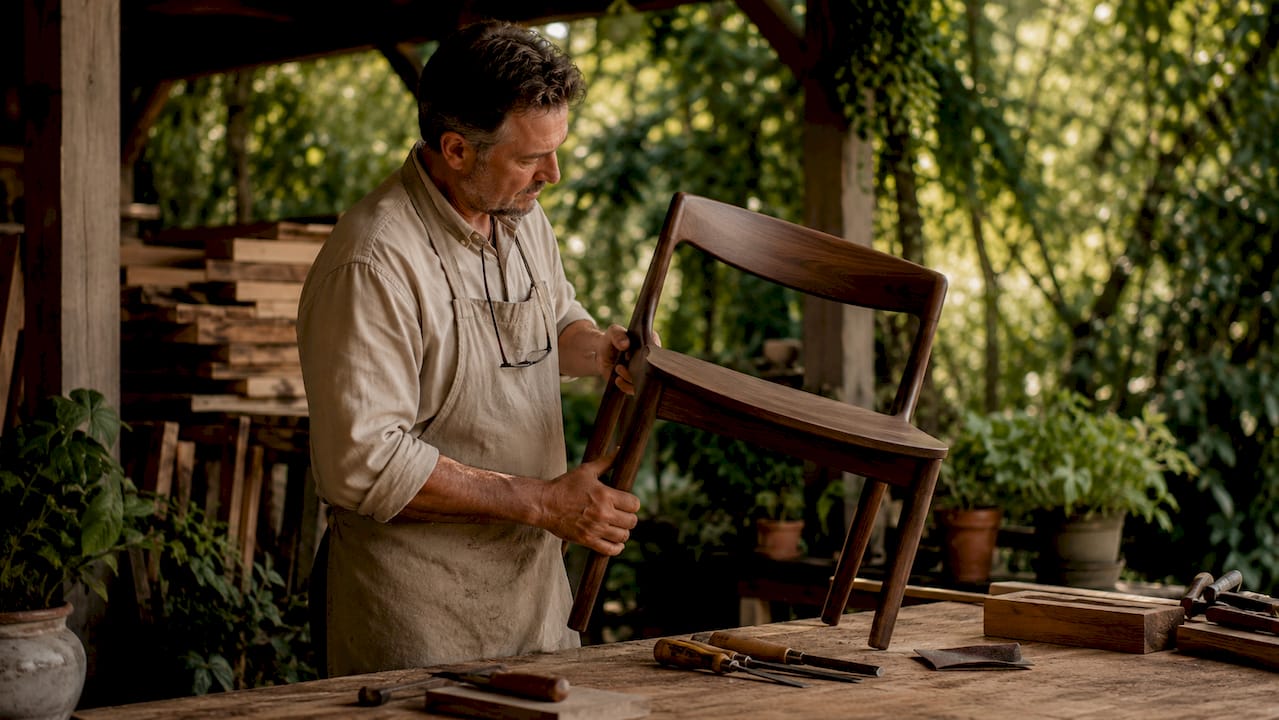
Finish choice carries more weight than most people expect. Light stains evoke airy Scandinavian vibes, while dark or painted finishes create bold, contemporary moods. The finish is not just cosmetic. It signals the emotional register of the entire room. A honey-toned maple nightstand reads as relaxed and casual; the same piece in a deep espresso stain reads as formal and considered.
Here is a practical sequence for customizing a handcrafted wood piece:
- Choose your wood species based on grain character and the room's existing palette
- Decide on dimensions that respect the room's proportions, not just the standard catalog size
- Select your stain by testing samples in your actual lighting conditions, not just in a showroom
- Pick a finish coat suited to the piece's use, post-catalyzed lacquer for high-traffic surfaces, oil for pieces you want to age naturally
- Confirm joinery details with the maker, dovetails and mortise-and-tenon joints signal quality and add longevity
Durability is not separate from aesthetics in artisan furniture. A well-chosen finish protects the wood grain while reinforcing the visual story you want the piece to tell.
3. What are the top handcrafted decor styles to incorporate in modern interiors?
The strongest unique interior design styles in 2026 all share one quality: they use handcrafted elements as focal points rather than afterthoughts. Each style below represents a distinct approach to blending artisan tradition with modern living.
-
Artisanal-modern: Defined by hand-cast ceramics contrasted with timber in cabinetry and furniture. The ceramic adds geometry and tactile interest; the wood grounds the piece in warmth. This style suits open-plan living areas and kitchen spaces where surfaces are on constant display.
-
Rustic-modern: Built around warm clay elements, reclaimed wood, and natural fiber textiles. The palette stays earthy, with terracotta, sand, and deep green. This style works especially well in bedrooms and reading rooms where comfort is the priority.
-
Luxury handmade wood: Centered on solid hardwood furniture constructed with traditional joinery. Pieces in this style are built to last generations, not seasons. Brands like EGA Home and Countryside Amish Furniture represent this approach, prioritizing solid wood joinery and intentional proportions over trend-driven silhouettes.
-
Textile-forward artisan: Anchored by handcrafted rugs, woven wall hangings, and artisan pillows with bold color and texture. This style is the most accessible entry point because textiles require no renovation. A single hand-loomed rug or a set of artisan-crafted decorative pillows can shift a room's entire character.
-
Cultural artisan: Draws directly from a specific craft tradition, such as Mexican Talavera ceramics, Japanese wabi-sabi woodwork, or Moroccan zellige tilework. The pieces carry cultural memory and resist trend obsolescence because their value is rooted in heritage, not novelty.
Pro Tip: You do not need to commit to one style exclusively. Layering a rustic-modern clay vessel on an artisanal-modern walnut shelf creates exactly the kind of considered tension that makes a room feel curated rather than decorated.
4. How do handcrafted decor styles compare in terms of aesthetics and maintenance?
Choosing between handcrafted styles is as much a practical decision as an aesthetic one. The table below compares the four most common approaches across the dimensions that matter most to everyday living.
| Style | Visual character | Maintenance level | Best room |
|---|---|---|---|
| Artisanal-modern (ceramic + wood) | Sculptural, geometric, refined | Low to medium; ceramic wipes clean, wood needs occasional oiling | Living room, kitchen |
| Rustic-modern (clay + reclaimed wood) | Warm, organic, slightly irregular | Medium; clay is porous and needs sealing, wood may need refinishing | Bedroom, study |
| Luxury handmade wood | Timeless, structured, warm | Low; quality finishes protect grain for years | Dining room, home office |
| Textile-forward artisan | Layered, colorful, tactile | Medium; rugs and pillows need regular cleaning | Living room, bedroom |
Clay decor requires more attention than ceramic. Its porous surface absorbs moisture and stains if left unsealed, and it chips more readily than fired ceramic. Ceramic, by contrast, resists most household liquids and holds its color without fading. For kitchens and bathrooms, ceramic is the practical choice. For decorative objects in low-traffic areas, clay's warmth and irregularity are genuine assets.
Natural wood furniture benefits from periodic oiling, especially in dry climates where wood can contract and crack. Finished hardwoods with post-catalyzed lacquer need far less intervention. The design philosophy behind collections like Maiden Home frames this as "honesty in construction," where every material choice reflects both function and beauty. That philosophy translates directly into lower long-term maintenance because pieces are built to perform, not just to look good on day one.
Sustainable decor for homes is another dimension worth considering. Handcrafted pieces made from solid wood and natural clay carry a significantly lower environmental footprint than mass-produced alternatives made from composite materials and synthetic coatings. Time-tested construction techniques also mean fewer replacements over time, which is the most honest form of sustainability.
Key takeaways
The most effective approach to handcrafted decor styles for modern interiors combines intentional material selection, customized finishes, and at least one culturally rooted artisan piece to create spaces that are both personal and enduring.
| Point | Details |
|---|---|
| Material contrast is the foundation | Pairing hand-cast ceramics with warm wood creates sculptural interest without renovation. |
| Finish choice sets the room's mood | Light stains read as airy and relaxed; dark finishes signal bold, contemporary intent. |
| Customization beats standard sizing | Tailored dimensions and joinery details make handcrafted furniture outperform off-the-shelf pieces. |
| Clay vs. ceramic is a practical choice | Use ceramic in high-traffic or wet areas; reserve clay for decorative, low-contact display. |
| Textiles are the easiest entry point | A single artisan rug or handcrafted pillow set can shift a room's character immediately. |
Why I believe imperfection is the point
I have spent years watching people approach artisan decor with hesitation, worried that a hand-thrown ceramic vessel or a slightly irregular woven pillow will look "unfinished" in a modern room. That hesitation is understandable. We have been trained by decades of mass production to read uniformity as quality. The truth is the opposite.
The slight variation in a hand-cast tile, the visible grain in a walnut tabletop, the uneven texture of a clay bowl: these are not flaws. They are the evidence of a human being making something with care. Artisanship and functional honesty in modern handmade decor achieve authenticity precisely because they show their construction. A room full of perfect, identical surfaces feels like a showroom. A room with one or two genuinely handcrafted pieces feels lived in and chosen.
I also think the sustainability argument for artisan decor is undersold. We talk about sustainable decor for homes in terms of materials and certifications, but the deeper sustainability is in longevity. A piece built with dovetail joinery and solid hardwood does not end up in a landfill after five years. It gets passed down. That is the kind of value that no trend cycle can replicate.
My practical advice: start with one piece that genuinely moves you, not one that matches your sofa. The best artisan home decor creates a conversation in a room. Let it speak first, then build around it.
— Ernesto
Bring artisan warmth into your modern space with Createdecorus
If you are ready to move from inspiration to intention, Createdecorus offers a collection of handcrafted luxury pillows made in Mexico, where artisan tradition and bold design meet in every stitch. Each piece carries the warmth of Mexican craftsmanship, with rich textures and colors that transform a modern interior into something genuinely personal.

Every pillow in the Createdecorus collection is made with the same care that defines the best artisan home decor: intentional materials, thoughtful color, and the kind of detail that only a human hand can produce. You can explore the full collection to find the piece that starts your room's conversation. Whether you are styling a living room or a bedroom, these pieces are built to be felt, not just seen.
FAQ
What defines handcrafted decor styles for modern interiors?
Handcrafted decor styles for modern interiors combine artisan materials like hand-cast ceramics, solid hardwoods, and natural clay with contemporary design principles. The result is a space that feels personal, tactile, and resistant to trend obsolescence.
How do I style handcrafted decor in a minimalist room?
Let one handcrafted piece serve as the focal point and keep surrounding surfaces simple. A single ceramic-and-wood cabinet or a bold artisan rug carries enough visual weight to anchor a minimalist room without cluttering it.
Is clay or ceramic better for modern home decor?
Ceramic is better for high-traffic and wet areas because it is durable, easy to clean, and color-stable. Clay suits decorative objects in low-contact spaces, where its earthy warmth and slight irregularity are genuine design assets.
What wood species work best for modern handmade furniture?
Walnut and maple are the most widely used species in modern handmade furniture. Walnut delivers rich, dark tones suited to bold contemporary rooms; maple offers a lighter grain that reads as clean and Scandinavian.
Why is handcrafted decor considered more sustainable?
Handcrafted pieces built with traditional joinery and solid materials last significantly longer than mass-produced alternatives. Longer lifespan means fewer replacements, which is the most direct form of sustainable decor for homes.