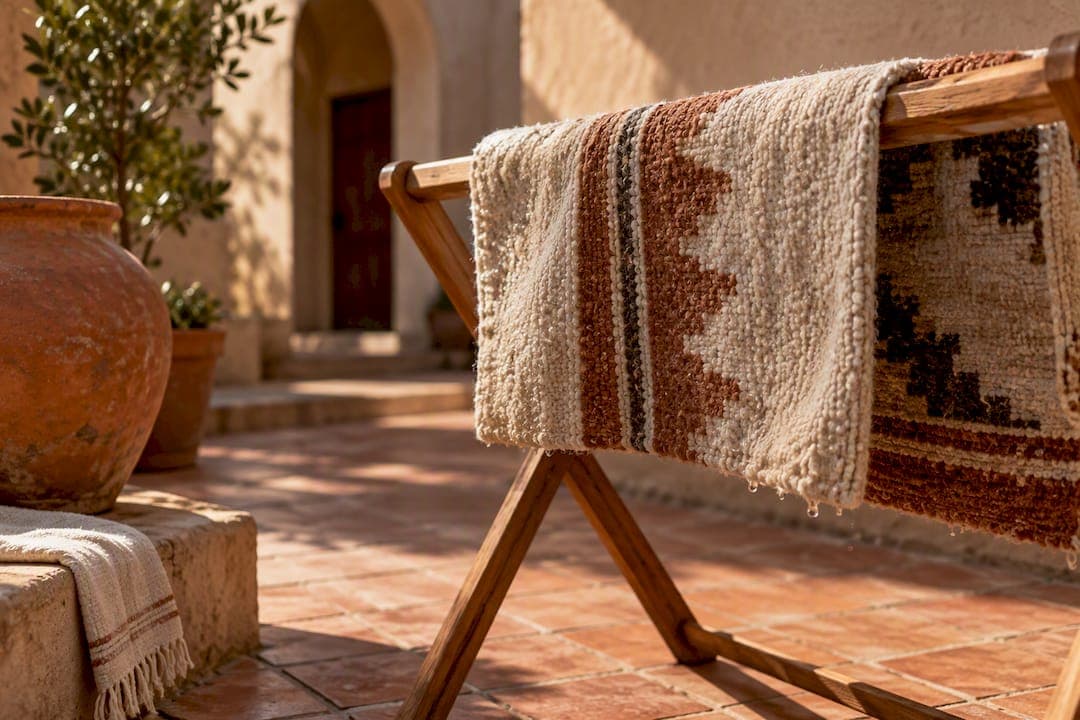
Hand washing in cold water with a wool-safe detergent is the safest way to wash wool cushions, full stop. Machine washing is only an option when the care label explicitly says "machine washable" or "superwash," and even then, cold water and a gentle cycle are non-negotiable. Skip hot water, skip the wringing, skip the bleach. Wool forgives very little, but it rewards patience generously.
TL;DR:
- Only wash wool cushions in cold water and with a wool-specific, pH-neutral detergent to prevent felting and shrinkage.
- Machine washing is safe only if the label explicitly states "machine washable" or "superwash," and it must be done on a gentle cycle with full loads.
- Hand washing requires soaking in cold water, gentle pressing, and flat drying to protect the fibers, with no twisting or rubbing.
- Spot cleaning is effective for most stains and odor removal, but full washing should only be done when necessary or after sustained soiling.
- Full drying takes 24 to 48 hours at room temperature, with proper reshaping to maintain original form and prevent mold or odors.
Table of Contents
- How Do You Know If a Wool Cushion Is Safe to Wash?
- How Do You Hand Wash a Wool Cushion Safely?
- Can You Machine Wash Wool Cushions?
- How Do You Spot Clean a Wool Cushion?
- How Long Does It Take a Wool Cushion to Dry?
- How Often Should You Wash a Wool Cushion?
- Our Take on Caring for Handcrafted Wool Cushions
- Gentle Care Preserves the Craft Behind Every Stitch
- A Maintenance-Friendly Alternative When Repairs Aren't Worth It
- Sources
- FAQ
How Do You Know If a Wool Cushion Is Safe to Wash?
Before you touch a drop of water, read the care label. This single habit prevents most of the felting disasters we hear about from customers who assumed wool behaves like cotton.
Look for these specifics:
- "Machine washable" or "superwash": this means the wool fiber has been chemically treated, often with a chlorine and polymer process, to resist the scaly structure that causes felting. Without that label, treat the wool as untreated and skip the machine entirely.
- "Dry clean only": a sign that either the fill, the fabric dye, or the trim can't handle water at all.
- Temperature markings: a single dot on the wash symbol means cold water only, no exceptions.
- Removable vs. sewn-shut covers: a zippered cover simplifies everything. You wash the shell, keep the fill dry, and avoid soaking the part of the cushion that's hardest to dry safely.
When the label is missing, faded, or ambiguous, default to hand washing or a professional cleaner. Guessing with wool almost always ends in a smaller, denser cushion.
How Do You Hand Wash a Wool Cushion Safely?
Hand washing gives you full control over water temperature and handling, which is exactly what wool needs. Here's the sequence that keeps fibers intact:
- Fill a basin or bathtub with cold water, under about 86°F (30°C), and mix in a small amount of wool-safe, pH-neutral detergent.
- Submerge the cushion gently and press water through the fabric with your palms. Never rub, twist, or agitate.
- Let it soak for a few minutes, then drain and refill with clean cold water to rinse.
- Repeat the rinse two or three times until the water runs clear with no soap residue.
- Press out excess water by hand, then roll the cushion in dry towels to pull out remaining moisture.
- Reshape the cushion while it's still damp, squaring the corners and fluffing the fill, then lay it flat to dry.
Cold water and a mild, wool-specific detergent are what actually prevent shrinkage. Skip fabric softeners entirely. They coat the wool fiber and reduce the breathability that makes wool cushions comfortable in the first place.
Pro Tip: Never wring a wet wool cushion the way you would a towel. Wringing distorts the fiber structure permanently, and once wool felts from twisting, there's no undoing it.
Can You Machine Wash Wool Cushions?
Only if the label says so, in those exact or near-exact words. "Superwash" or "machine washable" tells you the wool has already been processed to resist felting. Anything less specific means you're gambling with a cushion that took a craftsperson hours to build.
If the label clears you to proceed:
- Use a front-loading washer. Top-loaders with an agitator create too much friction for wool fibers.
- Run a full load, not a single cushion alone. A full drum balances the spin and reduces the tumbling that causes felting.
- Select the wool or delicate cycle, cold water, and the gentlest spin setting available.
- Slide removable covers into a mesh laundry bag to protect seams and trim from snagging.
- Never tumble dry. Even superwash wool should finish air-drying flat, away from direct heat.
Treat the machine-washable label as permission for the wash cycle only, not a green light to skip the careful drying that follows.
How Do You Spot Clean a Wool Cushion?
Most stains never need a full wash. Spot cleaning saves the fill from unnecessary saturation and keeps the cushion's shape intact far longer.
Work from the outer edge of the stain inward, blotting rather than rubbing, so you don't spread the mark or push it deeper into the fiber. For protein-based stains like blood or food, cold water is essential. Hot water sets the proteins permanently into the wool.
- Mix a few drops of wool-safe detergent into cold water and dab it onto the stain with a clean cloth.
- For odor rather than visible dirt, mist a 1:1 water and white vinegar solution over the surface. This deodorizes without soaking the fill; it's not a washing method on its own.
- Blot with a dry towel to lift moisture, then let the spot air dry fully before using the cushion again.
If a stain has soaked through to the fill, or spot cleaning hasn't worked after a couple of attempts, that's your signal to move to a full hand wash or hand the cushion to a professional cleaner.
How Long Does It Take a Wool Cushion to Dry?
Drying is where most of the shrinkage risk lives, so give it the same care you gave the wash. Lay the cushion flat on a towel in a well-ventilated room, away from direct sunlight and away from radiators or heaters. Heat makes wool fibers brittle and speeds up shrinkage, which is the opposite of what you want after a careful wash.
- Immediately after washing, roll the cushion tightly in dry towels to absorb bulk water. This towel-press step pulls out most of the moisture within the first hour and cuts total drying time significantly.
- Reshape the cushion by hand while it's still damp, squaring corners and smoothing the surface so it dries into its original dimensions rather than a lopsided version of itself.
- Flip the cushion every several hours so both sides get airflow.
- Expect 24 to 48 hours to dry fully at room temperature, or 8 to 12 hours if you run a dehumidifier in the room, since a dehumidifier speeds drying without the mechanical agitation of a tumble dryer.
If the fill has flattened, hand-tease the wool clusters apart once mostly dry to restore loft. Always press into the center of the cushion before returning it to a sofa or bed. A damp core hidden under a dry surface is exactly how mildew and musty odors start.
How Often Should You Wash a Wool Cushion?
Full washing is the exception, not the routine. Most owners are better served by lighter, more frequent maintenance:
- Wash removable covers weekly or biweekly, depending on how much daily contact the cushion gets.
- Set whole cushions outside in the sun and open air once a month to refresh the fibers and neutralize odors naturally.
- Reserve full washing for once or twice a year at most, and only when the fill has genuinely been soiled or soaked. Everyday care through covers, spot treatment, and monthly airing does the heavy lifting the rest of the year.
Between washes, store off-season cushions properly in breathable bags in a cool, dry place, never sealed in plastic, which traps moisture. Check zippers and seams before long-term storage, since a small repair now beats a blown seam later.
Our Take on Caring for Handcrafted Wool Cushions
Some handcrafted cushions are built with zippers and removable inner shells for a reason: it separates the part that gets touched, sat on, and occasionally spilled on from the part that should rarely see water at all. That construction choice is a practical decision, not just a convenience.
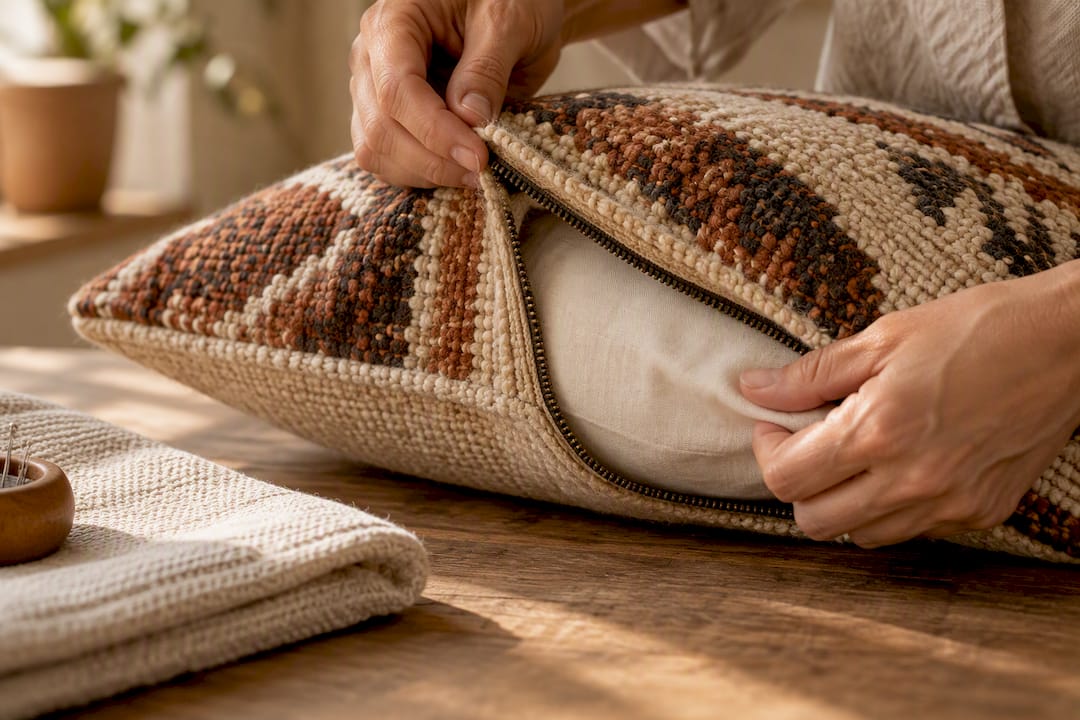
Washing risks real damage when it reaches the fill itself. Once wool felts, or a seam gives way under wet weight, no amount of reshaping brings it back. Harsh detergents and excessive handling wear down the natural finishes our artisans work hard to preserve, so treat every wash as a last resort rather than a routine chore.
Gentle Care Preserves the Craft Behind Every Stitch
We'd rather see a cushion aired monthly and spot-cleaned carefully than washed on a whim. Preventive care honors the hours an artisan spent on every seam far more than an aggressive scrub ever could. When you're unsure whether a stain calls for hand washing or a professional's hands, ask the maker before you act. A quick question costs far less than a felted cushion.
— Ernesto
A Maintenance-Friendly Alternative When Repairs Aren't Worth It
Sometimes a cushion has been soaked one too many times, and no amount of careful hand washing brings back its original loft or shape. When you're deciding whether to keep patching an old favorite or start fresh, Some decorative pillows are built with construction in mind from the start.

Our decor pillows come in options with removable covers, letting you wash the shell without ever touching the fill, and our fills are chosen for durability alongside comfort. Every piece is handcrafted with the same attention to seam strength and material quality we've described throughout this guide, so replacement doesn't mean giving up on artisan character. If you're a designer or retailer outfitting multiple spaces, our wholesale trade program offers bulk pricing for exactly this kind of long-term planning. Browse the current collection and see which piece fits the room you're refreshing.
Sources
FAQ
How Do You Wash Wool Without Shrinking It?
Use cold water, under about 86°F (30°C), with a mild detergent made for wool, and never agitate, wring, or twist the fabric while wet. Reshape the piece by hand while damp and let it air dry flat, since heat and rough handling are what actually cause shrinkage, not water itself.
Can You Wash Wool Cushions in the Washing Machine?
Only if the care label specifically says "machine washable" or "superwash." That label means the wool has been chemically treated to resist felting; without it, machine agitation will likely felt and shrink the fibers permanently.
What Detergent Should You Use on Wool Cushions?
A mild, pH-neutral detergent formulated specifically for wool works best, since regular laundry detergent and bleach strip away the natural oils that keep wool fibers flexible. Avoid fabric softeners too, since they coat the fibers and reduce the breathability that makes wool cushions comfortable.
How Long Does a Wool Cushion Take to Dry?
Expect roughly 24 to 48 hours air drying flat at room temperature, or 8 to 12 hours with a dehumidifier running nearby. Always check the center of the cushion for lingering dampness before using it again, since a hidden damp core can lead to mildew.
Should You Wash the Whole Cushion or Just the Cover?
Wash the cover far more often than the whole cushion. Full washing is rarely necessary since covers, spot cleaning, and monthly airing handle most day-to-day care, and reserving full washes for genuine soiling extends the cushion's life considerably.