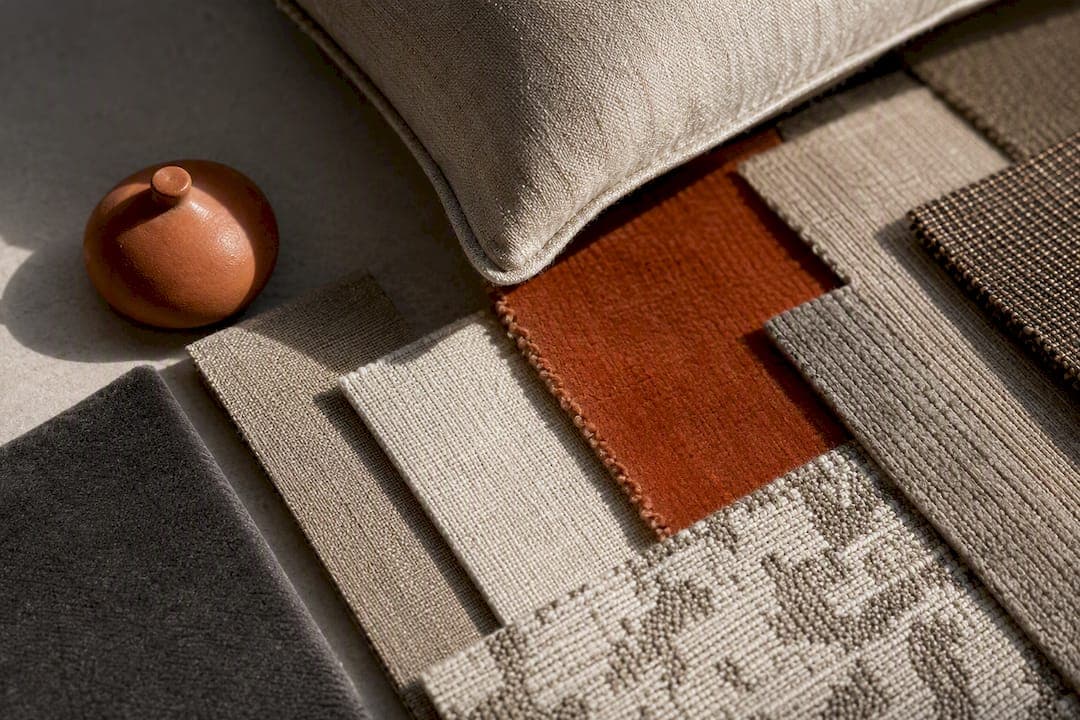
For everyday cushions in busy rooms, performance polyester and microfiber win on durability and easy cleaning. Outdoor cushions need solution-dyed acrylic, which resists fading and mildew better than canvas or olefin. Cotton and linen suit low-traffic decorative pieces, while velvet and silk belong on accent cushions that you admire more than you sit on. The single rule: match the fabric to how often the cushion gets used and how much cleaning you're willing to do.
TL;DR:
- Performance polyester and microfiber are best suited for everyday cushions in high-use areas due to their stain and abrasion resistance.
- Outdoor cushions should use solution-dyed acrylic fabric for superior fading and mildew resistance, especially in full-sun environments.
- Natural fibers like cotton and linen are ideal for decorative, low-traffic cushions but require more maintenance and are less durable over time.
- Silk and traditional velvet are best reserved for decorative cushions in low-use areas because of their delicate nature and higher cleaning requirements.
- Using removable, washable covers and following proper care routines can significantly extend the lifespan of almost any cushion fabric.
Table of Contents
- The Top 10 Fabrics for Cushion Covers, and What Each One Is Really For
- How the Top Cushion Materials Stack Up Side by Side
- How to Choose the Right Cushion Fabric for Your Room
- Keeping Cushion Fabric Looking New Longer
- What Craftsmanship Teaches Us About Choosing Cushion Fabric
- A Closing Note on Fabric, Function, and Feel
- Sources
The Top 10 Fabrics for Cushion Covers, and What Each One Is Really For
Choosing among the best fabrics for cushions gets easier once you stop asking "which one is nicest" and start asking "which one fits this room." A cushion that lives on a reading chair in a quiet corner has different needs than one that survives a toddler's snack time on the family sofa. Here's how the top contenders actually perform once they leave the showroom and enter real life.
Cotton. Cotton has earned its place as a household staple because it breathes, softens with age, and launders without drama. It's forgiving in humid climates and takes color beautifully, which is why so many decorative cushions default to it. The tradeoff is that cotton wrinkles, and it needs more frequent washing than engineered synthetic blends to stay looking crisp. Best for: everyday cushions in bedrooms and living rooms where moderate handling is expected, and for households that want a natural fiber without high maintenance.
Linen. Linen has that relaxed, slightly rumpled texture that reads as effortless elegance. It's breathable and holds up reasonably well to sun, but it wrinkles more than cotton and shows stains if you're not quick with a blot. Linen is not the fabric to hand a toddler holding a juice box. Best for: low-traffic decorative cushions in living rooms, sunrooms, or bedrooms where the look matters more than daily wear.
Velvet. Velvet carries a reputation for fragility that isn't always fair; for insights on integrating such luxurious fabrics seamlessly in upscale interiors, see the luxury of glass interior doors. Traditional silk velvet is delicate and better reserved for pillows you style rather than sleep on, but high-quality, dense-pile velvets built for upholstery can be surprisingly durable when the construction and pile density are right. There's also a modern option worth knowing: performance velvet, a polyester-based weave that mimics velvet's plush hand while adding stain resistance and a higher abrasion rating than silk velvet. Best for: decorative accent cushions when using silk velvet; family-room seating when using performance velvet.
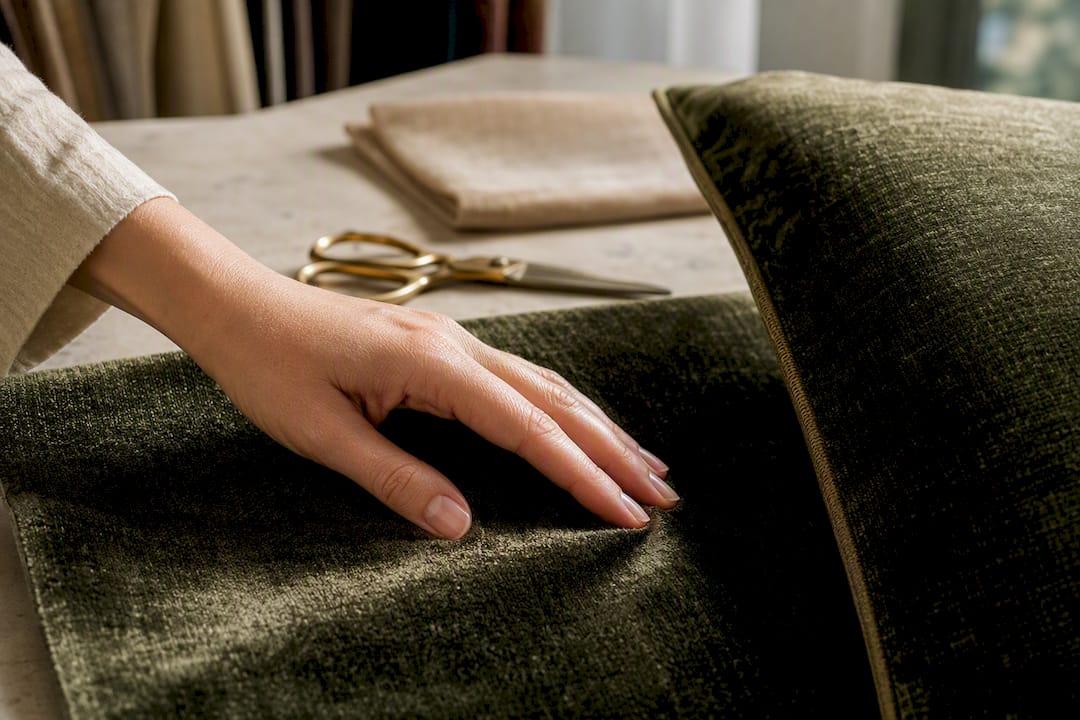
Chenille. Chenille has a soft, slightly fuzzy texture that feels cozy against skin, which makes it a favorite for reading nooks and cool-weather décor. It resists pilling better than you'd expect, though loose weaves can snag on rings, buttons, or claws. Best for: decorative and semi-everyday cushions in adult-only spaces.
Silk. Silk is pure luxury in hand feel, with a sheen no synthetic fully replicates. It's also the most delicate fabric on this list. It stains permanently if untreated, fades in direct sun, and typically needs professional dry cleaning rather than a spin in the washer. Best for: decorative-only accent cushions on beds or formal seating, never for pets, kids, or daily lounging.
Faux fur (piel sintética). Faux fur brings texture and warmth to a room, and it photographs beautifully on beds and reading chairs. It sheds somewhat, attracts pet hair rather than repelling it, and needs gentle spot cleaning to avoid matting the pile. Best for: seasonal decorative accents, especially in bedrooms during cooler months.
Jacquard and damasco. These woven-pattern fabrics build their design directly into the weave instead of printing it on top, which means the pattern doesn't fade or crack the way some printed textiles do over time. Jacquard tends to be a cotton or polyester blend, giving it more durability than pure silk while keeping an elevated, formal look. Best for: dining rooms, formal living rooms, and cushions that need pattern longevity.
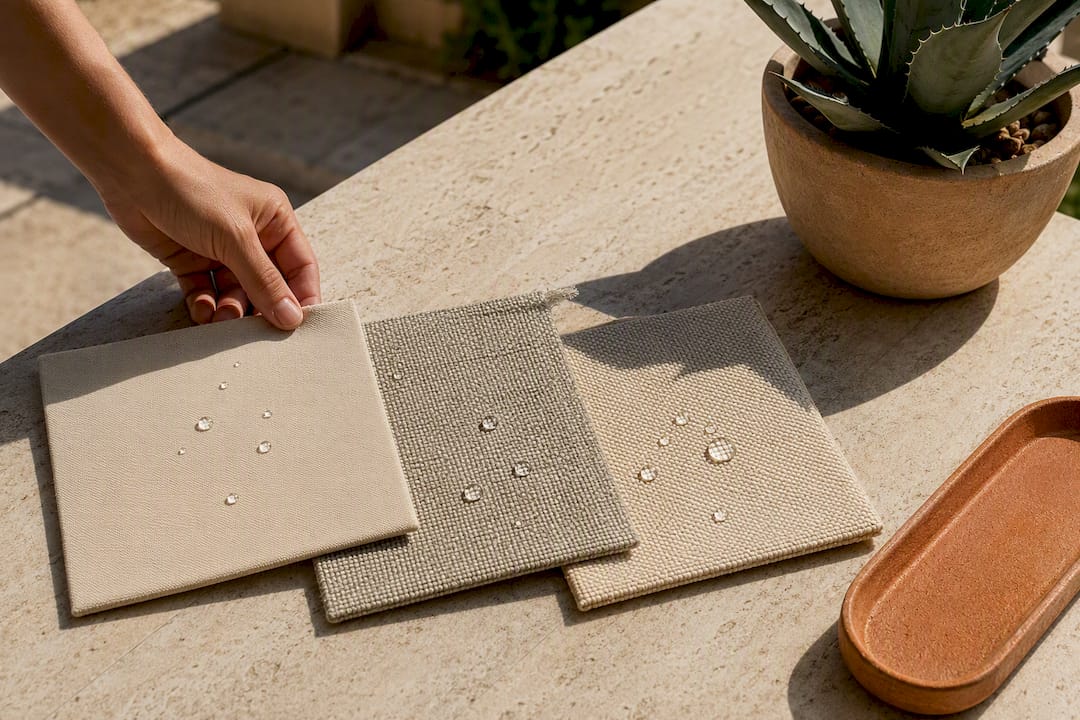
Outdoor fabrics: solution-dyed acrylic, olefin, and canvas. Solution-dyed acrylic is the benchmark for outdoor cushions because the color runs through the fiber itself rather than sitting on the surface, which is why it resists UV fading and mildew better than standard woven materials. Olefin, also called polypropylene, is the budget-conscious alternative. It dries fast and shrugs off moisture, though it doesn't quite match acrylic's colorfastness. Canvas, usually a heavier cotton blend, works fine on covered patios but struggles with prolonged rain exposure. Best for: solution-dyed acrylic for full-sun patios and pool areas; olefin for budget outdoor projects; canvas for covered porches.
Corduroy (pana). Corduroy's ridged texture gives cushions visual interest and a warm, tactile quality that suits fall and winter décor. It's fairly sturdy for everyday use, though the ridges can trap crumbs and pet hair, so vacuuming becomes part of the routine. Best for: casual living rooms and reading corners, family-friendly but not pet-optimal.
Fiber blends and performance polyester. This is the category that quietly wins the most real-world battles. Performance polyester, microfiber, and tightly woven synthetic blends outperform natural fibers on abrasion resistance, stain resistance, and colorfastness, and many are machine washable at home. They lack the plush luxury of silk or the organic texture of linen, but for a sofa that hosts kids, dogs, and everyone's Friday night takeout, nothing else keeps up. Best for: everyday cushions in family rooms, pet households, and any space where cleaning frequency matters more than showroom appeal.
How the Top Cushion Materials Stack Up Side by Side
Once you know the individual profiles, the real decision comes down to comparing them against your specific room. This side-by-side breaks down the four factors that actually predict whether a fabric will earn its keep.
| Fabric Group | Softness/Hand | Durability | Maintenance | Best For |
|---|---|---|---|---|
| Cotton | Soft, breathable | Moderate; wears with frequent washing | Machine washable | Everyday, low-humidity rooms |
| Linen | Soft, textured | Moderate; wrinkles and stains easily | Spot clean, occasional wash | Decorative, low-traffic spaces |
| Velvet (silk) | Very plush | Low; delicate pile | Dry clean only | Decorative accents |
| Velvet (performance) | Plush | High; stain-resistant weave | Spot clean, sometimes washable | Family rooms, everyday use |
| Silk | Luxuriously smooth | Low; fades and stains easily | Dry clean only | Decorative-only |
| Faux fur | Plush, fuzzy | Moderate; sheds and mats | Spot clean, gentle brushing | Seasonal decorative |
| Jacquard/damasco | Structured, smooth | High; pattern resists wear | Spot clean, occasional wash | Formal rooms, pattern-forward décor |
| Outdoor (solution-dyed acrylic) | Slightly stiff | Very high; UV and mildew resistant | Hose off, air dry | Patios, pool decks |
| Corduroy | Ridged, cozy | Moderate to high | Vacuum, occasional wash | Casual family spaces |
| Performance polyester/blends | Smooth to soft | Very high; abrasion resistant | Machine washable | Everyday, pet/kid households |
Martindale guidance in plain terms: for any cushion that will see daily contact, look for a Martindale rub count in the range of 20,000 to 30,000 or higher. That test measures how many rubbing cycles a fabric survives before visible wear, and it's the closest thing to an objective durability score you'll find on a fabric tag.
How to Choose the Right Cushion Fabric for Your Room
Before you buy a bolt of fabric or a finished cover, run through these questions in order. Skipping straight to color and pattern is how people end up with a beautiful cushion that looks worn out in six months.
- Identify the room's traffic level. A cushion in a formal living room sees a fraction of the contact one on a family-room sectional gets, and that difference should drive your fabric choice before anything else.
- Decide your cleaning tolerance. If you're not willing to hand-wash or dry clean, rule out silk and untreated velvet immediately.
- Account for pets and children. Claws, crayons, and spilled juice call for machine-washable covers or stain-resistant performance fabrics, full stop.
- Set your budget. Natural fibers like linen and silk often cost more per yard than polyester blends, though performance velvet sits in a comparable range to mid-tier natural options.
- Check the Martindale or abrasion rating when it's listed. Aim for 20,000 to 30,000+ cycles for anything used daily, and treat the absence of a rating as a signal to lean toward a known performance-rated blend instead of guessing.
- Decide if removable covers matter. A zippered cover you can pull off and wash extends the life of almost any fabric, especially in kid or pet zones.
Pro Tip: Order a physical swatch before committing to yardage or a finished cushion. Fabric that looks plush in a photo can feel thin or scratchy in hand, and pairing the wrong fill with a delicate fabric, like an overstuffed foam insert under thin silk, can stress seams faster than normal wear ever would.
Keeping Cushion Fabric Looking New Longer
Care habits matter as much as the fabric choice itself. A few consistent routines stretch the life of any cover, whether it's humble cotton or a splurge on jacquard.
- Machine wash cotton, performance polyester, and most outdoor acrylics on a gentle cycle; hand wash or spot clean chenille, corduroy, and faux fur; dry clean silk and traditional silk velvet exclusively.
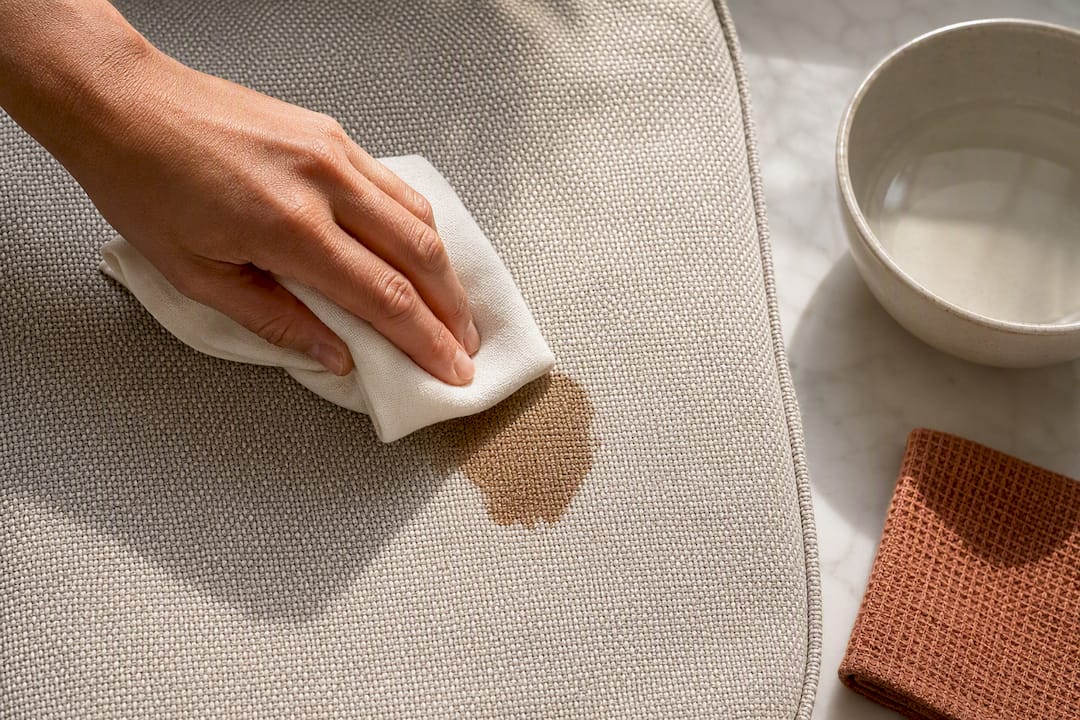
- Blot stains immediately with a clean cloth and mild detergent; never rub, and skip whiteners on linen or silk since they can yellow or weaken the fibers.
- Rotate cushions out of direct sun when possible, since even solution-dyed acrylic will fade faster under years of constant UV exposure, and standard dyed fabrics fade much sooner.
- Air out damp cushions fully before storage to prevent mildew, especially for outdoor pieces brought in for winter.
A fabric rated for 20,000+ Martindale cycles still benefits from a removable, washable cover. Durability testing measures abrasion, not stain resilience, so the two protections work best together.
What Craftsmanship Teaches Us About Choosing Cushion Fabric
We think about fabric selection the way an artisan thinks about material and purpose together: the hand of the textile has to match the life the piece will live. Pairing a plush chenille or performance velvet with a supportive memory foam and polyester blend fill gives a family-room cushion the resilience daily use demands. A lighter cotton or linen fill combination suits an accent piece in a quiet corner, where the goal is beauty rather than endurance. When a fabric is delicate but beloved, a removable cover lets the artistry stay protected while the room still gets used and lived in.
A living-room accent cushion calls for something you'll admire, like a dense-pile velvet, while a family-room everyday cushion needs something you can wash without worry. Choosing the wrong pairing is the most common mistake we see in home styling.
A Closing Note on Fabric, Function, and Feel
Every cushion decision comes down to a trade you're willing to make between softness and survival. I'd rather see someone choose a slightly less luxurious fabric that fits their real life than a gorgeous one that ends up hidden in a closet after one spill. Request swatches, test them against your actual routine, and consider a removable cover before you commit to yardage you can't return.
— Ernesto
Sources
- Top 10 stain-resistant upholstery fabrics | The Fabric Mill
- High-performing outdoor fabrics | Kovi Fabrics
- Best velvet fabric for upholstery | Zelouf Fabrics
- Martindale test explained | Xometry resources