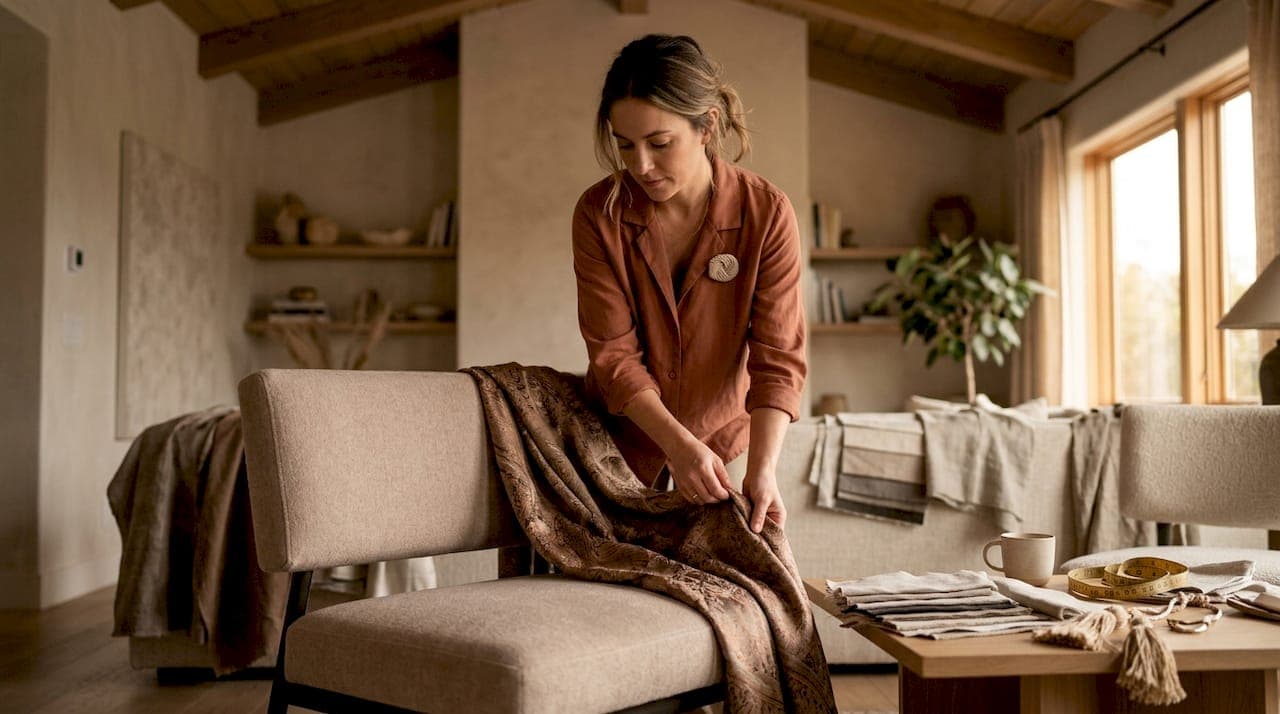
Textiles are defined as the primary sensory layer in luxury interiors, shaping how a space feels before a homeowner consciously registers how it looks. The role of textiles in luxury decor extends far beyond fabric on a sofa. They regulate acoustics, control light, signal craftsmanship, and anchor the emotional tone of every room. Luxury interiors in 2026 treat texture as the dominant design language, placing it above color and form. Createdecorus builds on this principle, crafting each piece so that the first thing you notice is not how it looks, but how it makes you feel.
How do textiles influence emotional atmosphere in luxury interiors?
Textiles shape emotional experience through touch, and that influence runs deeper than most homeowners expect. Tactile experience activates neural pathways for safety and trust, making a room feel genuinely welcoming rather than merely attractive. A velvet cushion or a hand-loomed wool throw does not just add visual warmth. It communicates care, permanence, and effort to anyone who enters the space.
The numbers confirm what designers have long known. 78% of consumers report that the tactile feel of textiles outweighs visual aesthetics when making luxury purchasing decisions. That figure tells you something critical: a room can look expensive in a photograph and still feel hollow in person. Texture is what closes that gap.
Luxury interiors use specific tactile signals to set the emotional register of a room:
- Plush, dense pile (velvet, bouclé) signals intimacy and warmth, ideal for living rooms and bedrooms.
- Smooth, tightly woven surfaces (silk, fine linen) communicate restraint and authority, suited to formal dining or study spaces.
- Rough, organic textures (jute, raw wool, hand-loomed cotton) ground a room in authenticity and craft.
- Layered combinations of the above create rooms that feel both rich and intentional, not decorated by accident.
The emotional impact of texture also depends on consistency. A room where every surface is smooth and reflective feels cold. A room where every surface is soft and matte feels flat. The interplay between contrasting tactile qualities is what creates genuine sensory depth.
Pro Tip: Before purchasing any textile for a luxury interior, hold it in your hands for at least 30 seconds. If the feel does not match the emotional tone you want the room to project, the color and pattern will not save it.
What technical roles do textiles serve beyond appearance?
Expert designers treat textiles as technical performance specifications, not decorative afterthoughts. Fiber density, weave structure, and material weight all determine how a textile manages glare, temperature, and sound. This is the functional side of textile impact on luxury design that most homeowners overlook entirely.
Textiles act as soft architecture. They define spatial zones, absorb unwanted sound, and moderate the harshness of hard materials like concrete, steel, and large expanses of glass. Tapestry and large textile installations improve acoustic absorption and add warmth in minimalist modern interiors, humanizing spaces that would otherwise feel austere.
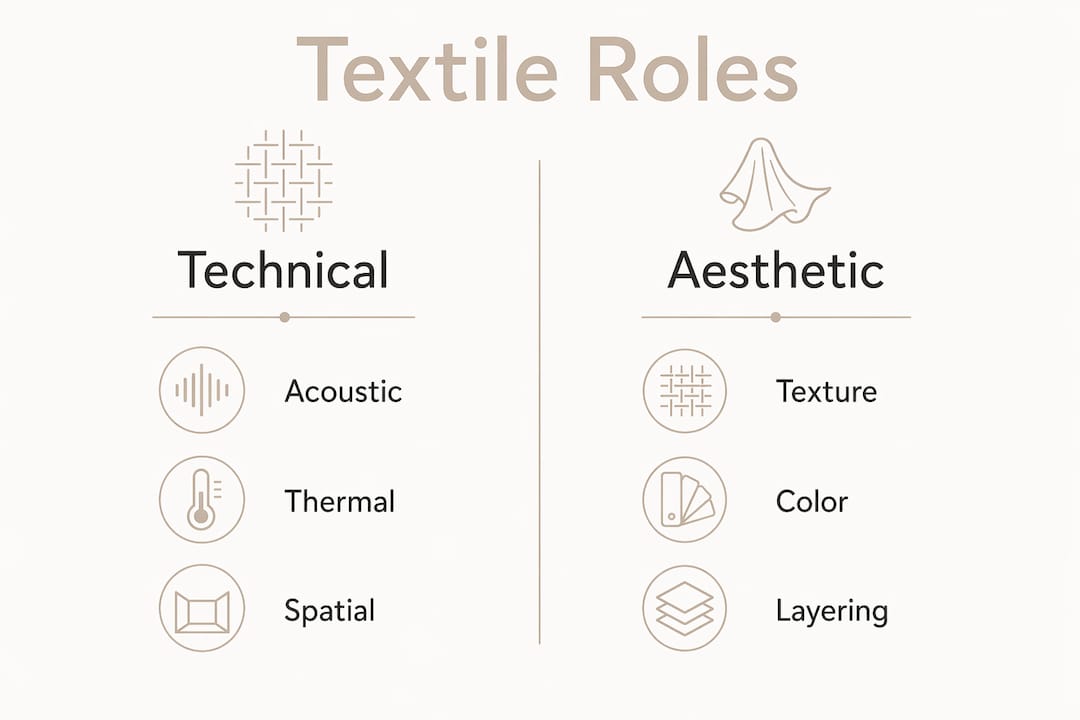
The table below shows how specific textile applications address technical needs in high-end interiors:
| Technical Need | Textile Solution | Example Application |
|---|---|---|
| Acoustic dampening | Heavy wool or velvet drapery | Floor-to-ceiling curtains in open-plan rooms |
| Thermal regulation | Layered linen or cashmere throws | Window treatments and upholstered seating |
| Glare and UV control | Tightly woven sheer panels | Large glazing in south-facing rooms |
| Spatial zoning | Area rugs with dense pile | Defining seating areas in open living spaces |
| Surface warmth | Hand-loomed wall textiles | Accent walls in minimalist or concrete interiors |
Each of these functions works alongside the aesthetic role of the textile. A well-chosen drapery panel does not just look beautiful. It also reduces echo, softens incoming light, and keeps the room at a comfortable temperature. That dual performance is what separates luxury interior textile uses from ordinary decorating.
Pro Tip: In rooms with large windows or high ceilings, prioritize textiles with weight and density first. A lightweight fabric may look right but will fail to deliver the acoustic and thermal comfort that makes a luxury space feel truly refined.
How should you layer and select textiles for a refined interior?
Layering textiles is the single most effective technique for creating depth and sophistication in a luxury interior. The principle is straightforward: contrast between smooth and rough textures enriches perception and sustains engagement. A room that presents only one texture family, no matter how beautiful, reads as flat.
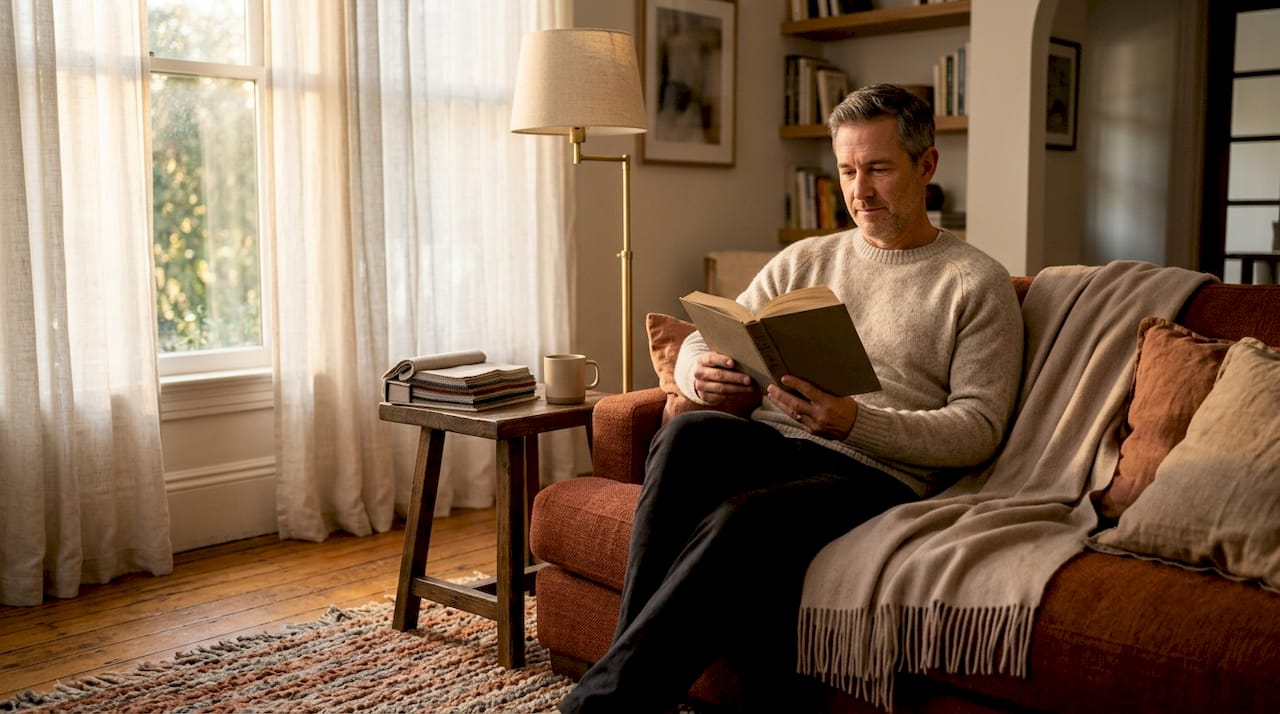
The 3-5-7 rule in interior design encourages odd-number texture groupings for natural harmony and visual interest. Applied to textiles, this means working with three or five distinct texture families rather than two or four. Odd groupings feel balanced without feeling symmetrical, which is exactly the quality that distinguishes a curated interior from a matched set.
A practical layering sequence for a luxury living room works as follows:
- Establish the base layer with a large-area textile: a hand-knotted rug or a substantial area carpet that sets the room's primary tactile tone.
- Add the mid layer through upholstery: sofas and chairs covered in a fabric that contrasts with the rug, such as smooth linen against a textured wool pile.
- Introduce the accent layer with throw pillows, blankets, and cushions in a third texture family, such as velvet, embroidered cotton, or hand-loomed artisan fabric.
- Finish with a detail layer through smaller accents: tasseled edges, woven trim, or decorative cushion covers that add tactile interest at close range.
Natural fibers earn their place in luxury interiors because they age with character. Linen softens and gains a gentle sheen over time. Cashmere develops a subtle halo. Wool holds its structure while remaining warm to the touch. These qualities signal permanence and care in a way that synthetic materials simply cannot replicate. Handcrafted textiles communicate time, care, and authenticity more directly than any visual element alone.
What are the biggest misconceptions about textiles in luxury decor?
The most common mistake homeowners make is equating more texture with more luxury. Restraint and cohesive layering create actual luxury rather than clutter. A room packed with competing textures feels busy and exhausting, not rich and refined. Genuine luxury texture design is deliberate. Every textile earns its place by contributing to a specific sensory or functional purpose.
A second misconception is that texture is a finishing touch. Textiles are not accessories applied after the "real" design decisions are made. They are primary design elements that shape the room's emotional register, acoustic quality, and spatial definition from the start. Treating them as afterthoughts produces interiors that look designed but do not feel designed.
A third myth is that price alone determines quality. An expensive fabric with a uniform, machine-perfect surface often communicates less luxury than a modestly priced handcrafted textile with visible weave variation and natural irregularity.
"Texture signals effort, care, and time. A handcrafted surface tells the story of the hands that made it. That story is what transforms a decorated room into a space with genuine presence. Sensory monotony, not poor taste, is the real enemy of luxury design."
The practical implication is clear. When you select textiles for an upscale interior, prioritize tactile contrast, material authenticity, and deliberate placement over sheer quantity or price tag. A living room that feels expensive is almost always one where the textiles were chosen with intention, not accumulation.
Key Takeaways
Textiles are the primary sensory and functional layer in luxury interiors, and their deliberate selection, layering, and contrast determine whether a space feels genuinely refined or merely decorated.
| Point | Details |
|---|---|
| Touch outweighs sight | 78% of consumers say tactile feel drives luxury purchasing decisions more than visual aesthetics. |
| Textiles serve technical functions | Fiber density and weave control acoustics, glare, and thermal comfort in high-end spaces. |
| Layering requires contrast | Mix 3–5 texture families using the 3-5-7 rule to create depth without sensory clutter. |
| Restraint signals true luxury | Deliberate, cohesive layering creates sophistication; excess texture creates noise. |
| Handcrafted materials communicate authenticity | Natural fibers and artisan weaves signal care and permanence that machine-made surfaces cannot replicate. |
Texture is the soul of a room, not its decoration
I have walked through hundreds of interiors that looked stunning in photos and felt completely empty in person. The difference, almost without exception, came down to textiles. Rooms that move you are rooms where someone made deliberate choices about what you would feel underfoot, against your arm, and at your fingertips.
What I have learned is that most homeowners treat textiles as the last decision, chosen after the paint color, the furniture, and the lighting. That order is backwards. The tactile quality of a space should be the first question you ask, not the last. When you start with how you want the room to feel, every other decision follows more naturally.
My honest advice: stop chasing visual trends and start prioritizing feel. A beautifully textured throw pillow from a skilled artisan will do more for the atmosphere of your living room than a new coat of paint. The benefits of handcrafted decor are not abstract. You feel them the moment you sit down.
— Ernesto
Createdecorus: where artisan craft meets tactile luxury
Createdecorus handcrafts luxury home accents in Mexico, drawing on generations of artisan tradition to produce pieces that you feel as much as you see. Each decorative pillow carries the texture, color, and warmth of genuine Mexican craftsmanship, made with natural materials selected for their tactile richness and lasting quality.
If you are ready to bring deliberate, authentic texture into your home, the Createdecorus collection offers pillows and accents that function as both sensory anchors and design statements. These are not finishing touches. They are the starting point for an interior that feels as refined as it looks. For homeowners who want to see the full range, the complete pillow catalog brings every texture family and color story together in one place.
FAQ
What is the role of textiles in luxury decor?
Textiles define the sensory, emotional, and functional quality of a luxury interior. They regulate acoustics, thermal comfort, and light while communicating craftsmanship and care through touch.
How do textiles enhance the perceived value of a room?
Tactile feel drives luxury purchasing decisions for 78% of consumers, meaning a room with rich, well-chosen textiles reads as more valuable than one that relies on visual elements alone.
How many texture types should a luxury interior include?
The 3-5-7 rule recommends working with odd-number texture groupings. For most rooms, three to five distinct texture families create depth and harmony without sensory overload.
What are the best natural fibers for upscale decor?
Linen, cashmere, and wool are the most trusted natural fibers in luxury interiors. Each ages with character, softening and developing a tactile quality that synthetic materials cannot replicate over time.
Why do handcrafted textiles feel different from mass-produced ones?
Handcrafted textiles carry visible weave variation and natural irregularity that signal effort, time, and authenticity. That tactile authenticity communicates a level of care that machine-uniform surfaces simply do not convey.