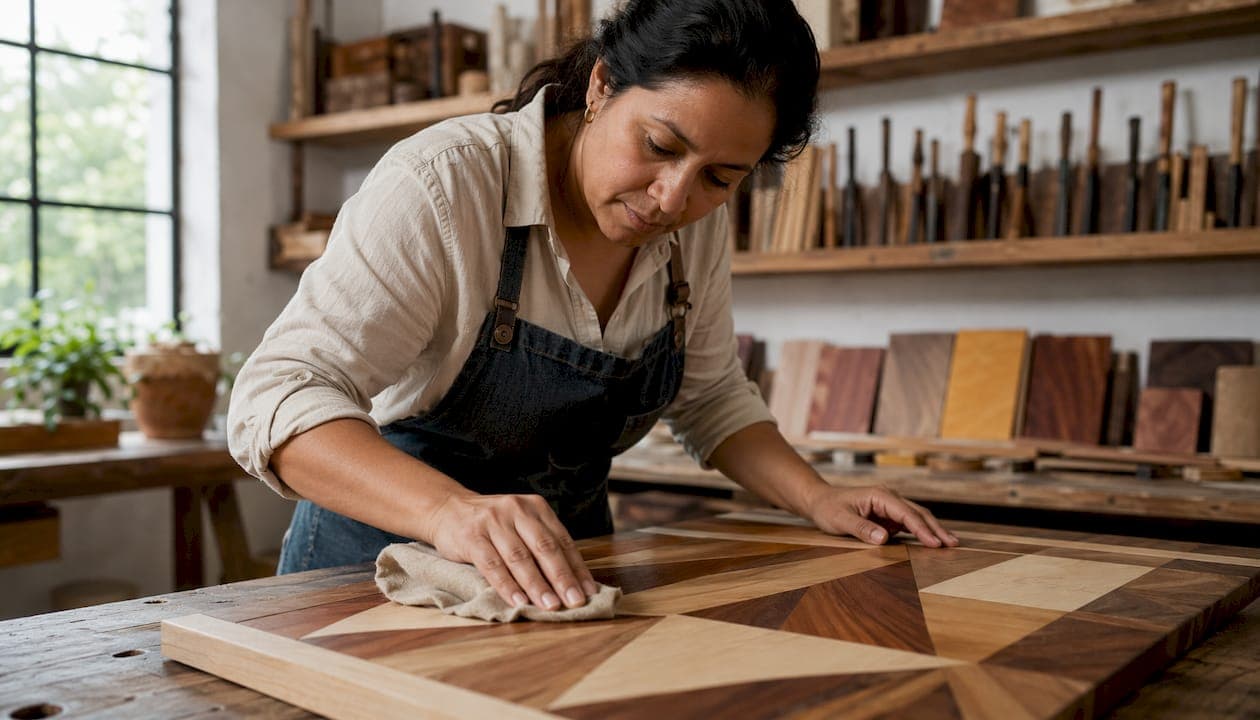
What makes handcrafted pieces so valuable in interior design?
Bespoke artisan pieces are not simply decorative objects. They are the result of skilled hands, intentional choices, and a creative conversation between maker and client. Where mass production delivers uniformity, handcrafted work delivers character. Every grain, texture, and finish carries a decision someone made with care.
For interior designers, that distinction shapes the entire client experience. A custom-crafted piece can integrate technology like USB chargers, accommodate unusual room dimensions, and become the focal point of a luxury residence in ways no showroom item can replicate. The piece does not just fill a space. It tells a story about the person who lives there.
The core benefits designers return to again and again:
- Unmatched customization: Dimensions, finishes, materials, and functional features are all negotiable.
- Authenticity: Each piece carries the mark of its maker, making it genuinely one of a kind.
- Narrative depth: Handcrafted objects serve as conversation starters and personal landmarks within a home.
- Longevity: Artisan construction, using traditional joinery or hand-finishing, typically outlasts factory production.
- Cultural resonance: Pieces rooted in a specific craft tradition bring a sense of place that mass-produced goods cannot offer.
We believe that when a client walks into a room and feels something, it is usually because a handcrafted piece is doing the quiet work of grounding the space.
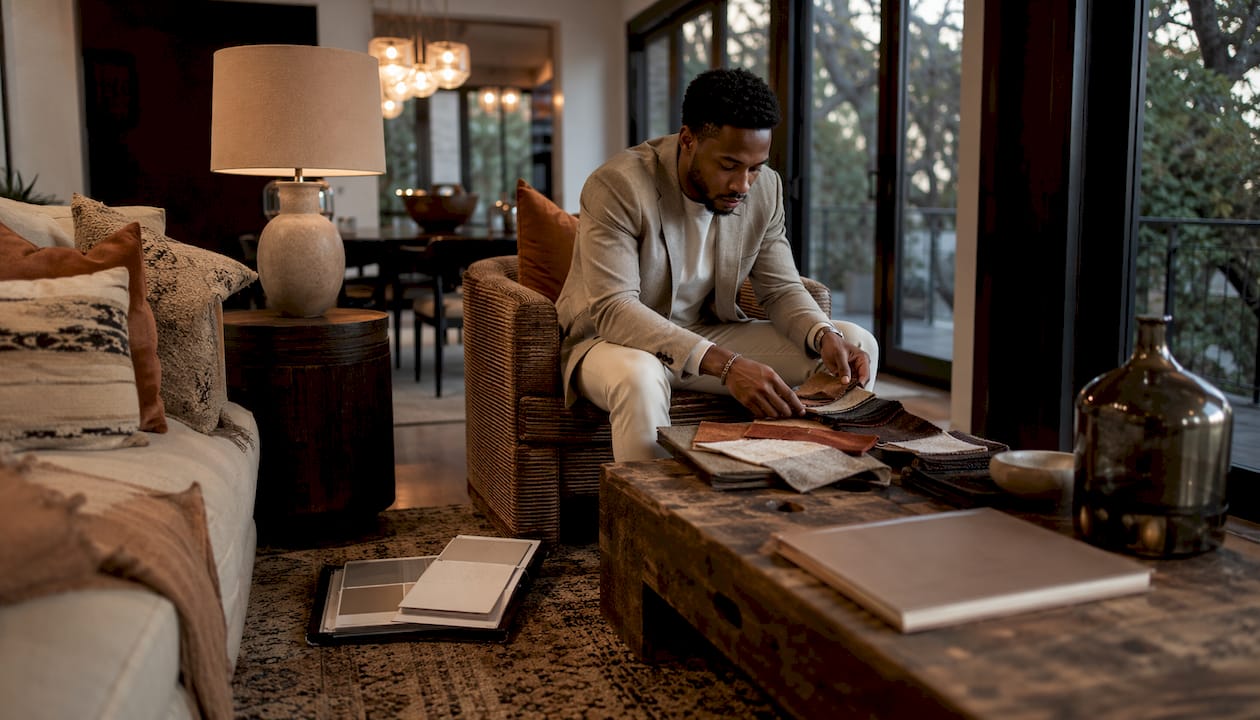
1. Marquetry furniture
Marquetry is the art of assembling thin veneers of wood, shell, or metal into intricate surface patterns. A marquetry table or cabinet brings a level of visual complexity that reads as both historic and contemporary, depending on the palette. Designers often use these pieces as anchor points in a room, letting the pattern carry the visual weight while surrounding furnishings stay calm.
Hommés Studio has built a reputation around this category, producing marquetry and artisan furniture that showcases pattern artistry across dining tables, sideboards, and accent chairs. The precision required means each piece is genuinely unique, even within a series.
2. Stone furniture
Hand-carved stone furniture occupies a category of its own. The weight, coolness, and texture of natural stone create a sensory experience that no resin or composite can replicate. Artisan stonecraft involves reading the material, working with its natural veining, and making structural decisions that honor both form and function.
Stone Yard, founded by artist and designer Mitch Brean, specializes in artisanal stone furnishings that blend traditional hand-carving with modern durability. Their planters and furniture pieces are engineered for both residential and commercial environments, including outdoor spaces exposed to weather extremes. The philosophy at Stone Yard centers on embracing imperfection as a mark of authenticity rather than a flaw.
3. Artisan rugs
A handwoven rug is one of the most effective ways to introduce cultural heritage into a contemporary interior. The weaving process, whether it follows Moroccan, Persian, or Mexican traditions, produces color gradations and texture variations that machine looms cannot achieve. TAPIS Studio focuses specifically on this category, offering bespoke artisan rugs with unique textures and pattern artistry suited to high-end residential projects.
Pro Tip: When commissioning a custom rug, request a small hand-knotted sample in your chosen colorway before full production begins. Dye lots vary between batches, and a physical sample prevents costly surprises at delivery.
The table below compares the most common handcrafted piece categories by typical production method and design application.
| Category | Primary technique | Best design application |
|---|---|---|
| Marquetry furniture | Veneer inlay, hand-cutting | Statement dining tables, sideboards |
| Stone furniture | Hand-carving, natural stone selection | Outdoor terraces, sculptural accent pieces |
| Artisan rugs | Hand-knotting or hand-weaving | Living rooms, primary bedrooms |
| Hand-blown glass lighting | Glassblowing, metal armature work | Dining pendants, entry chandeliers |
| Ceramics and pottery | Wheel-throwing, hand-building, kiln-firing | Decorative vessels, tactile shelf accents |
| Functional art installations | Mixed media, computational sequencing | Feature walls, lobby installations |
| Textile accents (pillows, ottomans) | Hand-weaving, embroidery, natural dyes | Layering color and texture across seating |
4. Hand-blown glass and metal lighting
Lighting is where handcraft becomes most theatrical. A hand-blown glass pendant carries air bubbles, color shifts, and wall thickness variations that give it a living quality under light. No two are identical, which means a cluster installation reads as genuinely curated rather than catalog-sourced.
Metal armature work, whether blacksmithed or cast, adds structural character. Designers working on luxury residential projects often commission lighting as the final layer, choosing a piece whose silhouette responds to the architecture of the room rather than simply filling a fixture gap.
5. Ceramics and pottery
Ceramics bring tactile warmth to shelves, dining tables, and entryways. A wheel-thrown vase or hand-built bowl carries the fingerprints of its maker in the slight asymmetry of its walls and the depth of its glaze. That quality of touch is exactly what clients notice when they reach for an object and feel it respond differently than they expected.
Designers use ceramics as transitional pieces, bridging a handcrafted rug or textile with more structured furniture. A grouping of three vessels in related but not identical glazes creates visual rhythm without rigidity.
6. Functional art installations
Large-scale installations, from feature walls of handcrafted tile to sculptural room dividers, represent the most ambitious category of artisan project materials. The Client Project studio in Thailand demonstrated how computational design combined with handcrafted tiles can produce installations of more than 15,000 individually distinct pieces that read as a cohesive whole from across a room. The technique, which the studio calls "Dissonance in Harmony," uses a computer-generated script to sequence tile placement while preserving the uniqueness of each hand-fired piece.
This approach is increasingly available to US-based designers through studios that combine traditional craft with digital sequencing tools.
7. Textile accents: pillows, ottomans, and throws
Textile accents are often the most accessible entry point for designers introducing handcraft into a client project. They carry color, texture, and cultural narrative without requiring structural changes to a room. Createdecorus specializes in exactly this category, producing handcrafted luxury pillows and ottomans rooted in traditional Mexican artisanship. Each piece reflects the bold colors, rich textures, and generational craft knowledge that define the brand's identity.
For designers working within a budget, a well-chosen set of artisan pillows can shift the entire emotional register of a seating area, adding warmth and intentionality that mass-produced textiles simply do not carry.
Which artisan studios and brands are worth knowing in the US market?
The US market has a growing number of studios and brands that take handcraft seriously, each with a distinct specialty and approach to collaboration.
Hommés Studio focuses on handcrafted interior pieces including marquetry furniture, stone furniture, and artisan rugs. Their work emphasizes pattern artistry and the use of authentic artisan materials, and they approach each commission as a collaborative creative challenge shared equally among designer, artisan, and client.
TAPIS Studio concentrates on the rug category, producing bespoke woven pieces with unique textural and cultural depth. Their pieces suit both residential and hospitality projects where floor coverings need to carry significant visual weight.
Stone Yard (founded by Mitch Brean) brings an artist's sensibility to functional stone furnishings and planters. The studio's philosophy of embracing imperfection and honoring the artisan's story makes their pieces particularly suited to projects where the client values authenticity over polish.
Createdecorus occupies a distinct position in the market. Rooted in Mexican artisan traditions, the brand produces luxury home accents including decorative pillows and ottomans that carry cultural heritage in every stitch and dye choice. Their pieces are crafted with exceptional materials and thoughtful details, making them a natural fit for designers who want to introduce warmth and cultural narrative without commissioning a full bespoke furniture piece.
Custom furniture studios such as Colorado-based makers who specialize in wood, glass, stone, and metal work offer fully bespoke furniture commissions. These studios work directly with interior designers to produce pieces that respond to a client's specific story, from a childhood model train display built into a custom shelf to a nightstand redesigned with inlaid USB outlets.
| Studio / Brand | Specialty | Best for |
|---|---|---|
| Hommés Studio | Marquetry furniture, stone pieces, artisan rugs | Luxury residential focal points |
| TAPIS Studio | Bespoke handwoven rugs | Living rooms, hospitality floors |
| Stone Yard | Hand-carved stone furnishings and planters | Outdoor terraces, sculptural accents |
| Createdecorus | Handcrafted textile accents, luxury pillows | Layering warmth and cultural narrative |
| Custom furniture makers | Fully bespoke wood, glass, metal furniture | Client-specific story pieces |
How to source and commission handcrafted pieces effectively
Sourcing artisan work well is a skill that rewards preparation. The designers who get the best results treat the commission as a shared creative challenge, not a purchase order.
-
Define the design vision before the first conversation. Gather reference images, material samples, and a clear brief covering dimensions, finish direction, and the emotional tone the piece should carry. Artisans work best when they understand the room's story, not just its measurements.
-
Communicate with tangible materials. Providing sketches, physical samples, and functional specs to your artisan dramatically improves alignment between your vision and the finished piece. A swatch of the adjacent fabric or a chip of the wall paint gives the maker context that words alone cannot.
-
Plan for a 3–6 month lead time. Artisan commissions typically require three to six months from approval to delivery, depending on materials and the artisan's current workload. Build this into your project schedule from the start, and communicate it clearly to your client before they fall in love with a piece.
-
Use staged collaboration checkpoints. High-end studios structure commissions around a series of approvals: initial vision sharing, design sign-off, production updates, and final assembly review. Each checkpoint gives you and your client the opportunity to course-correct before the work is irreversible.
-
Budget for the time premium as well as the cost. The financial investment in a bespoke piece is visible on an invoice. The time investment is less obvious but equally significant. A single complex leather accessory can take around 100 hours to handcraft, and furniture commissions often require comparable labor. Clients who understand this context appreciate the piece differently when it arrives.
-
Verify sustainability and ethical sourcing. Ask artisans directly about their material supply chains. Responsible studios can name their suppliers and explain how materials are sourced. This conversation also surfaces whether the studio's practices align with your client's values, which matters increasingly in luxury residential work.
-
Consider computational design for large-scale installations. Some artisans now use digital sequencing scripts to organize handcrafted tiles or wood panels into cohesive installations. This approach preserves the uniqueness of each individual piece while achieving the visual precision a large wall or floor demands.
Pro Tip: In the early visualization phase, AI-generated design options can help clients see how a commissioned piece might sit within their space before any material commitment is made. Several high-end studios now offer this as part of their initial design conversation.
How to incorporate handcrafted pieces into any interior style
The most common mistake designers make with artisan pieces is treating them as isolated statements. A handcrafted object placed in a room without consideration for its neighbors reads as a curiosity rather than an intention.
- Use "dissonance in harmony" as your guiding principle. This concept, drawn from the work of studios like The Client Project, describes the deliberate placement of contrasting textures and colors that appear distinct up close but harmonize at a distance. An earthy, hand-thrown ceramic vessel next to a clean-lined linen sofa creates exactly this kind of productive tension.
- Let scale do the work. A single large handcrafted piece carries more authority than several small ones competing for attention. Choose one focal object per zone and let the surrounding pieces support it quietly.
- Mix textures deliberately. Pairing a hand-woven rug with smooth plaster walls and a polished stone side table creates tactile contrast that keeps a room interesting without visual noise. The role of accent pieces in anchoring this kind of layered composition is often underestimated.
- Honor the client's story in every selection. The best handcrafted interiors feel personal because each piece was chosen for a reason. When you can connect an artisan piece to something the client values, whether a cultural heritage, a travel memory, or a material they love, the room becomes genuinely theirs.
- Consider handcrafted decor styles for contemporary contexts. Artisan pieces are not exclusively suited to traditional or rustic interiors. A marquetry cabinet in a minimalist room, or a hand-blown glass pendant in an industrial loft, creates the kind of unexpected dialogue that clients remember.
- Think about sustainability from the start. Choosing artisan pieces from makers who use natural materials and traditional techniques supports local artisan ecosystems and reduces the environmental footprint of a project. This is a conversation worth having with clients early, not as an afterthought.
Why cultural authenticity makes handcrafted decor more powerful
The most enduring handcrafted interiors carry a sense of place. They feel rooted in something real, whether that is a specific craft tradition, a geographic region, or a lineage of makers who have passed their knowledge from one generation to the next.
Createdecorus embodies this philosophy with particular clarity. Every piece in the collection is crafted in Mexico by artisans who draw on traditions passed down through generations. The bold colors, rich textures, and intentional details are not aesthetic choices made in isolation. They are the expression of a living craft culture, and that origin gives each piece a weight that purely decorative objects lack.
| Element | How it shapes the design experience |
|---|---|
| Artisan lineage | Connects the object to a human story, deepening client attachment |
| Traditional materials | Carries sensory qualities (weight, texture, warmth) that synthetic alternatives cannot replicate |
| Cultural color palette | Introduces regional identity and emotional resonance into a space |
| Handcraft variation | Each piece differs slightly, making the client's selection genuinely unique |
| Ethical production | Supports living craft traditions and gives the purchase meaning beyond aesthetics |
The integration of traditional Mexican artisanship with contemporary interior design is not a contradiction. It is a dialogue, one that Createdecorus has been building piece by piece, stitch by stitch. When a designer places one of these objects in a client's home, they are not simply adding a decorative accent. They are bringing a fragment of cultural heritage into a space that will hold it with care.
Handcrafted pieces create this kind of emotional connection precisely because they are made by people, not processes. The slight irregularity in a hand-embroidered pillow, the depth of a natural dye, the weight of a hand-thrown vessel: these are the details that clients reach for, return to, and remember long after the project is complete.
Createdecorus: artisan luxury for your next client project
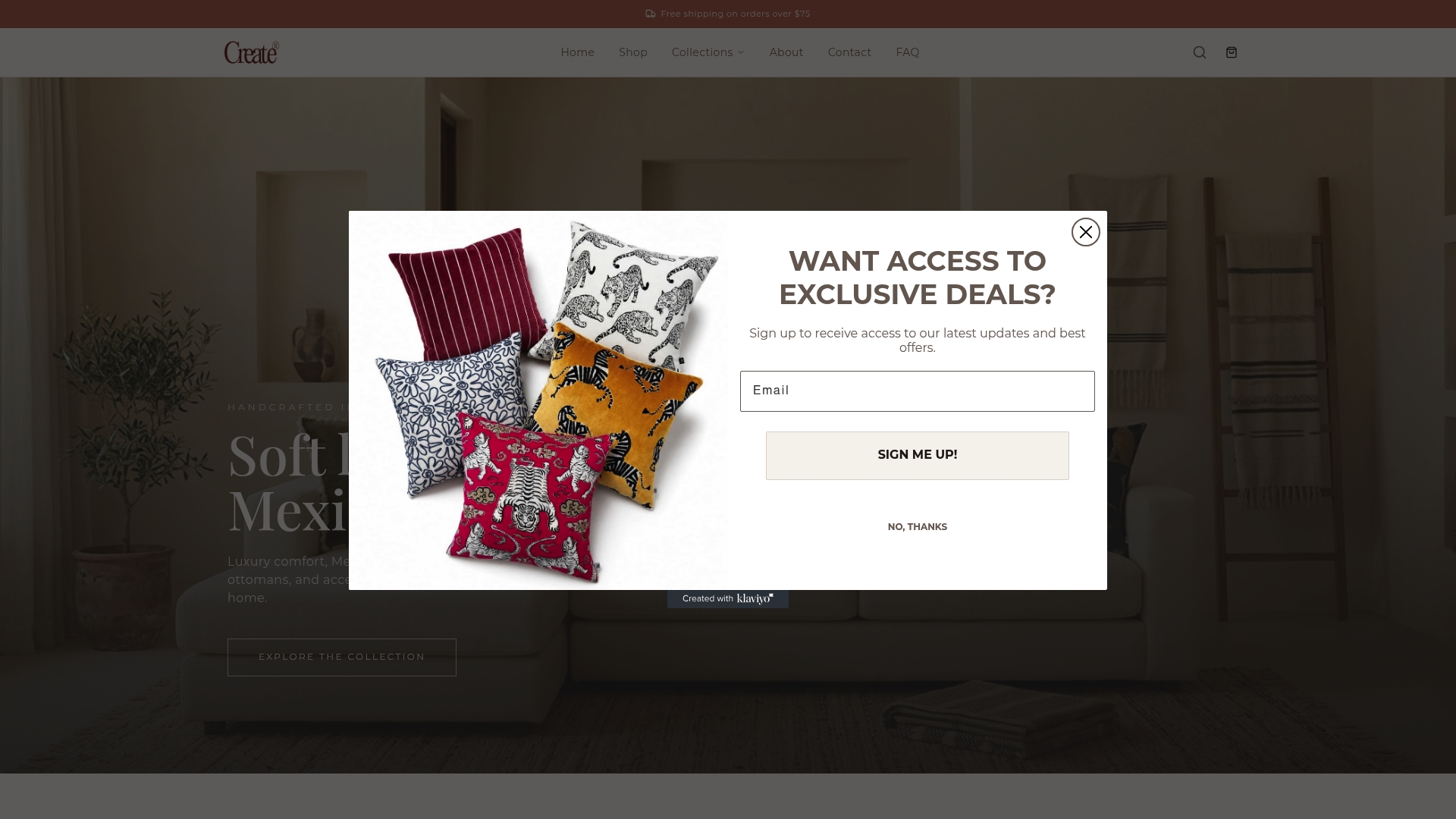
When you are ready to bring genuine artisan heritage into a client project, Createdecorus offers a collection of handcrafted luxury pillows and home accents that carry the warmth, color, and craftsmanship of traditional Mexican artisanship. Each piece is made with exceptional materials and thoughtful details, designed to transform a living space into something personal and lasting.
Explore the full collection at Createdecorus or visit the shop to find the right piece for your next project.
Key Takeaways
Handcrafted artisan pieces deliver customization, cultural authenticity, and emotional depth that mass-produced furnishings cannot match, making them the most powerful tool an interior designer has for creating spaces that feel genuinely personal.
| Point | Details |
|---|---|
| Plan for lead times | Artisan commissions typically require 3–6 months; build this into every project schedule. |
| Communicate with tangibles | Sketches, material samples, and functional specs improve artisan alignment and final quality. |
| Use dissonance in harmony | Contrasting textures that read distinct up close but harmonize at a distance create cohesive artisan interiors. |
| Cultural authenticity adds depth | Pieces rooted in a specific craft tradition, like Createdecorus's Mexican artisanship, give clients a genuine sense of place. |
| Textile accents are the accessible entry point | Handcrafted pillows and ottomans introduce warmth and narrative without structural commitment or full bespoke budgets. |