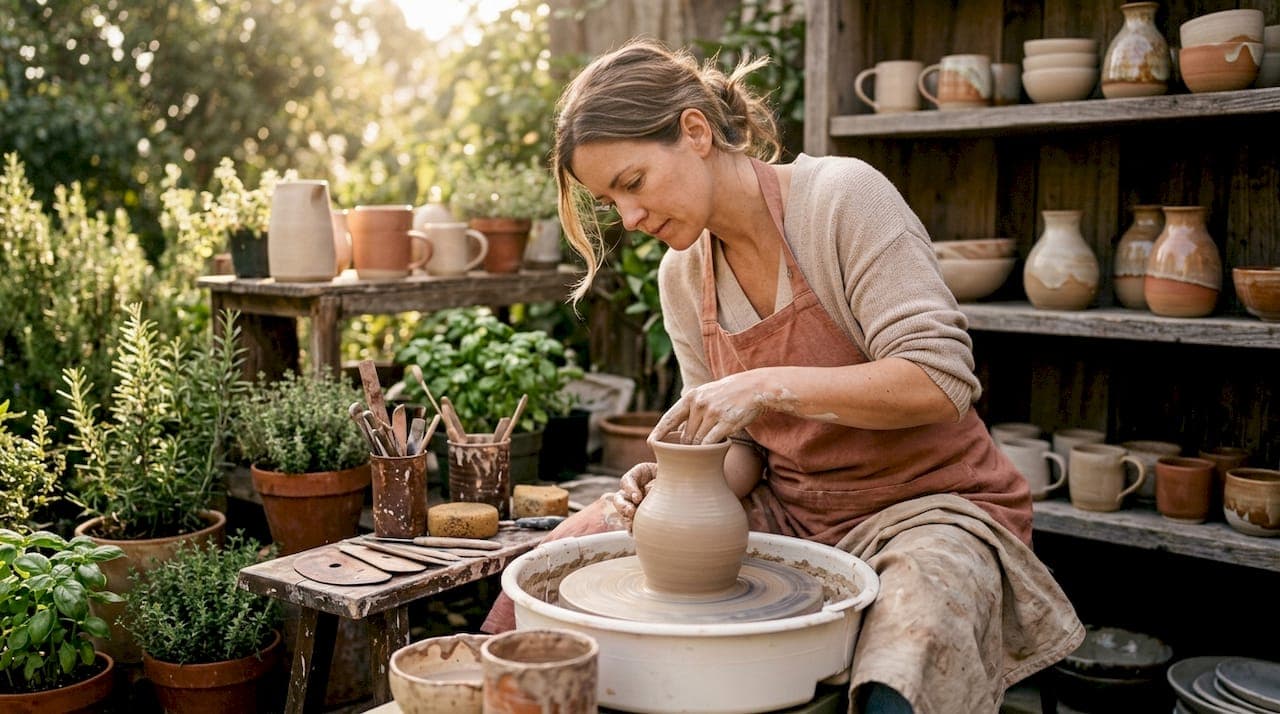
Handmade decor supports local ecosystems by channeling sustainable material choices, direct artisan income, and small-batch production into a single purchase. Unlike mass-produced goods, which rely on synthetic polymers, toxic chemical finishes, and global supply chains, artisan-made pieces draw from local resources and traditional craft knowledge. The result is a product that serves your home and the community that made it. Createdecorus was built on exactly this belief: that a decorative pillow or ottoman can carry cultural meaning, reduce environmental harm, and sustain the hands that crafted it.
Why handmade decor supports local ecosystems through material choices
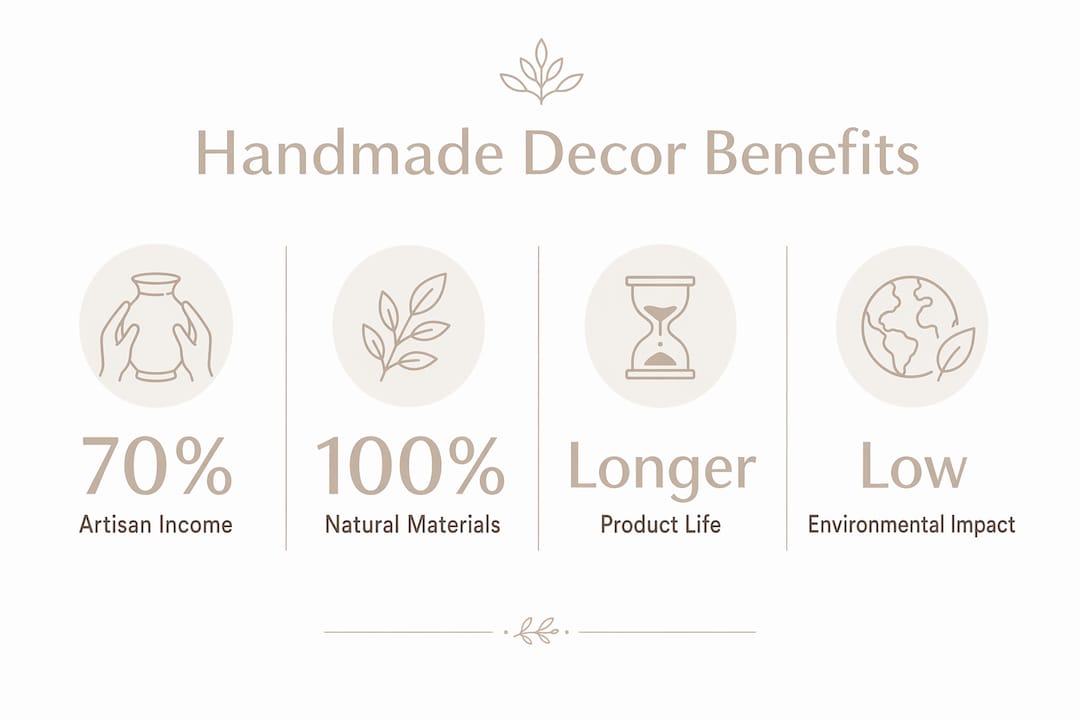
The most direct way handmade decor benefits local ecosystems is through what it is made from. Renewable, biodegradable materials like beeswax, soy, clay, and locally harvested wood replace the synthetic polymers and plastics that dominate factory production. These natural inputs break down without releasing persistent toxins, and they are typically sourced within the region where the artisan works.
Local sourcing does more than reduce a product's carbon footprint. It keeps resource cycles intact within a community, meaning the forest, the beekeeper, and the clay pit all receive continued stewardship because artisans depend on their health. Local production minimizes "decor miles" and the associated emissions that come from shipping raw materials across continents before a single item reaches your shelf.
Small-batch production also uses resources with far more intention than industrial manufacturing. A factory optimizes for volume, which means overproduction, excess inventory, and eventual landfill. An artisan produces what is ordered or what can realistically be sold, which means less waste at every stage of the process.
- Natural inputs: Beeswax, soy, clay, and sustainably harvested wood replace petroleum-based plastics and synthetic resins.
- No toxic finishes: Artisan pieces avoid the industrial adhesives and chemical lacquers that off-gas into your home and local waterways.
- Reduced transport emissions: Materials sourced within a region travel far shorter distances than components assembled across multiple countries.
- Intentional production volume: Small batches mean fewer unsold goods, less packaging waste, and lower energy consumption overall.
Pro Tip: When evaluating eco-friendly home decor, ask the seller to name the specific materials and their origin. A genuine artisan can answer that question without hesitation.
How buying handmade decor supports local artisans economically
The economic case for supporting handmade decor is as strong as the environmental one. Artisans receive 70% of the sale price directly, before shipment, bypassing the layers of middlemen that compress earnings in conventional retail. That percentage matters because it means the person who spent hours weaving, carving, or embroidering your decor piece is actually paid a living wage for that labor.
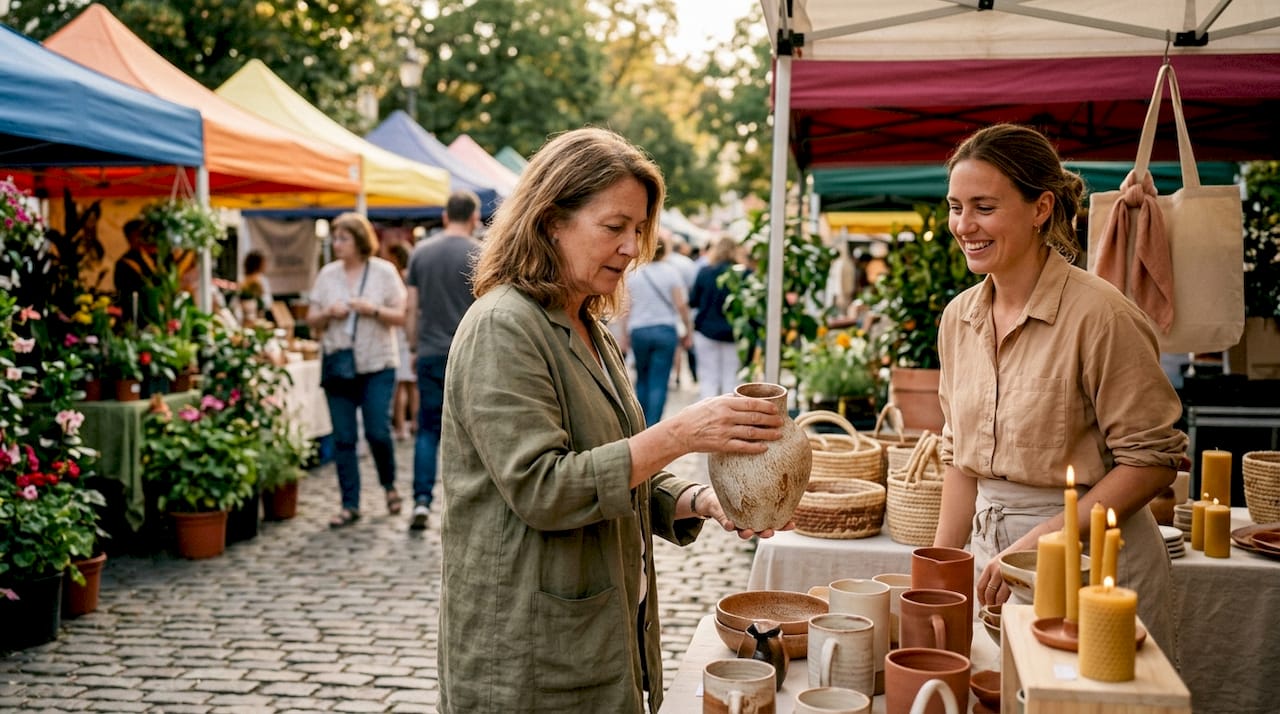
Mass-market goods follow the opposite logic. A factory-produced item may carry a retail markup of several hundred percent, with the artisan equivalent of that labor receiving a fraction of a percent of the final price. Mass-market items may lose 90% of their value after purchase, while handmade pieces hold or appreciate in value. That gap reflects the difference between a disposable object and a crafted one.
The broader community benefit is equally significant. When artisan income stays local, it circulates through neighboring businesses, schools, and services. The UK handicrafts market, for context, contributes £3.3 billion annually to the national economy, and that figure reflects what happens when craft is treated as a serious economic sector rather than a hobby.
Traditional craft knowledge is also at risk of disappearing without consistent demand. When consumers choose artisan-made pieces, they create the economic conditions that make it worthwhile for younger generations to learn those techniques. The importance of local crafts, in this sense, is not sentimental. It is a practical argument for cultural and economic resilience.
- Direct income: Artisans receive the majority of the sale price, not a wage set by a distant corporation.
- Cultural preservation: Ongoing demand keeps traditional techniques alive and teachable.
- Community circulation: Local income stays local, supporting surrounding businesses and services.
- Economic resilience: Small artisan groups are less vulnerable to global supply chain disruptions than factory-dependent manufacturers.
Do handmade items last longer than mass-produced decor?
The short answer is yes, and the reason matters for anyone thinking about sustainable consumption. Handmade decor is built for repair rather than replacement, which means a higher upfront cost translates into a lower cost per year over the item's life. A mass-produced cushion cover that costs $15 and lasts two years is more expensive in the long run than an artisan piece that costs $60 and lasts a decade.
Factory-made decor is often designed for shorter lifespans and frequent replacement. This is not accidental. Planned obsolescence keeps consumers buying, which keeps factories running. Artisan production has no such incentive. The artisan's reputation depends on the piece holding up, which means construction quality is a point of pride rather than a cost to minimize.
The absence of toxic glues and chemical finishes in handmade pieces also contributes to longevity. Industrial adhesives can degrade, yellow, or release gases over time. Natural joins, hand-stitching, and traditional binding techniques age gracefully and can be repaired by someone with the right skills.
- Assess construction quality first. Look for hand-stitching, natural joins, and material consistency. These are signs of durability, not decoration.
- Ask about repairability. A genuine artisan piece can be repaired. If a seller cannot explain how, that is a warning sign.
- Calculate cost per year. Divide the purchase price by the expected lifespan. Artisan pieces almost always win this comparison.
- Avoid chemical finishes. Natural finishes age better, off-gas less, and are safer for households with children or pets.
Pro Tip: Treat handmade decor the way you would treat quality clothing. Store it properly, clean it gently, and repair it when needed. That care extends its life significantly.
How do you identify authentic, ecosystem-supporting handmade decor?
Transparency is the clearest marker of genuine artisan work. Authentic handmade items carry the artisan's name, village, and crafting technique on the product tag or documentation. This information is not marketing copy. It is a verifiable supply chain record that connects the object in your hands to the person and place that made it.
Geographic Indication tags, known as GI tags, are a formal certification system used in several countries to protect regional craft traditions. A GI tag on a piece of decor confirms that it was made in a specific region using a recognized traditional method. These certifications reduce the risk of greenwashing, where a product is marketed as artisan-made but produced in a factory with minimal human craft involvement.
Consumers can also look for certificates of origin and direct artisan partnerships disclosed by the seller. Createdecorus, for example, sources its handcrafted pieces from Mexican artisans and grounds its identity in the cultural traditions of those communities. That kind of geographic and cultural specificity is a reliable signal of authenticity.
The contrast with vague "handcrafted-inspired" labeling is stark. Generic labels with no artisan information, no origin detail, and no technique description are a sign that the product may not deliver the ecological or social benefits you are looking for. Knowing how to identify authentic handmade products protects both your investment and the artisans whose work you intend to support.
| Signal | What it tells you |
|---|---|
| Artisan name and village on tag | Verified human origin, not factory production |
| GI tag or certificate of origin | Regional craft tradition confirmed by a third party |
| Named materials and sourcing region | Transparent supply chain, reduced greenwashing risk |
| Seller discloses artisan partnerships | Brand accountability and direct community support |
| No origin or technique information | High risk of "handcrafted-inspired" factory goods |
Key Takeaways
Handmade decor supports local ecosystems because it combines sustainable materials, direct artisan income, and durable construction into a single purchase that benefits both the environment and the community behind it.
| Point | Details |
|---|---|
| Sustainable materials reduce harm | Natural inputs like beeswax, clay, and local wood avoid the toxins and emissions of factory production. |
| Artisans earn a fair majority | Ethical artisan networks pay 70% of the sale price directly to makers, bypassing middlemen. |
| Durability lowers long-term waste | Handmade pieces are built to be repaired, not replaced, making them more sustainable over time. |
| Transparency confirms authenticity | GI tags, artisan names, and origin certificates separate genuine craft from greenwashed imitations. |
| Local spending circulates locally | Income from artisan sales stays within the community, supporting economic resilience. |
What I have learned from years of watching people choose their decor
I have seen consumers walk past a beautifully crafted piece because it cost more than a factory alternative on the shelf next to it. That comparison always misses the point. The factory piece will likely be replaced within two years. The artisan piece will still be in the home a decade from now, carrying the story of the person who made it.
The concept of emotional ROI is real and underappreciated. Customers develop a personal attachment to handcrafted decor that they simply do not feel toward mass-produced goods. That attachment changes behavior. People repair things they love. They do not throw them away. That single behavioral shift has a measurable environmental consequence.
What I find most compelling is the systemic effect of consistent artisan purchasing. One buyer choosing a handmade piece is a small act. A community of buyers doing the same thing sustains craft traditions, keeps local ecosystems intact, and builds economic resilience in places that need it most. The benefits of handcrafted luxury decor extend well beyond the aesthetic.
My honest advice: stop treating the price difference between artisan and factory goods as a cost and start treating it as an investment. The return comes in durability, cultural meaning, environmental integrity, and the knowledge that your purchase did something worth doing.
— Ernesto
Createdecorus and the artisans behind every piece
Createdecorus was founded on the belief that a home accent should mean something. Every pillow and ottoman in the collection is handcrafted in Mexico by artisans who carry generations of textile knowledge. The materials are chosen with care, the techniques are traditional, and the supply chain is transparent by design.
For consumers who care about where their decor comes from and what it does for the people and places behind it, Createdecorus offers a direct answer. Each piece is a dialogue between artisan heritage and the spaces you live in. The collection reflects a commitment to quality that goes beyond aesthetics, grounding every purchase in cultural pride and environmental responsibility. Explore the handcrafted luxury collection and find pieces that carry that meaning into your home.
FAQ
Why does handmade decor support local ecosystems?
Handmade decor uses natural, locally sourced materials and small-batch production methods that reduce emissions, avoid toxic chemicals, and keep resource cycles intact within the producing community.
How much of my purchase goes to the artisan?
Ethical artisan networks pay makers 70% of the sale price directly before shipment, bypassing middlemen and ensuring fair compensation for skilled labor.
Is handmade decor actually more durable than mass-produced items?
Yes. Artisan pieces are built for repair rather than replacement, and their cost per year is lower than mass-market equivalents despite a higher upfront price.
How can I tell if a handmade decor item is genuinely artisan-made?
Look for the artisan's name, village, and technique on the product tag, along with GI tags or certificates of origin. Sellers who cannot provide this information may be selling factory goods under an artisan label.
What is sustainable home decor, and how does it connect to handmade craft?
Sustainable home decor refers to pieces made with renewable materials, ethical labor practices, and minimal environmental impact. Handmade craft naturally aligns with these standards when sourced transparently from genuine artisan communities.