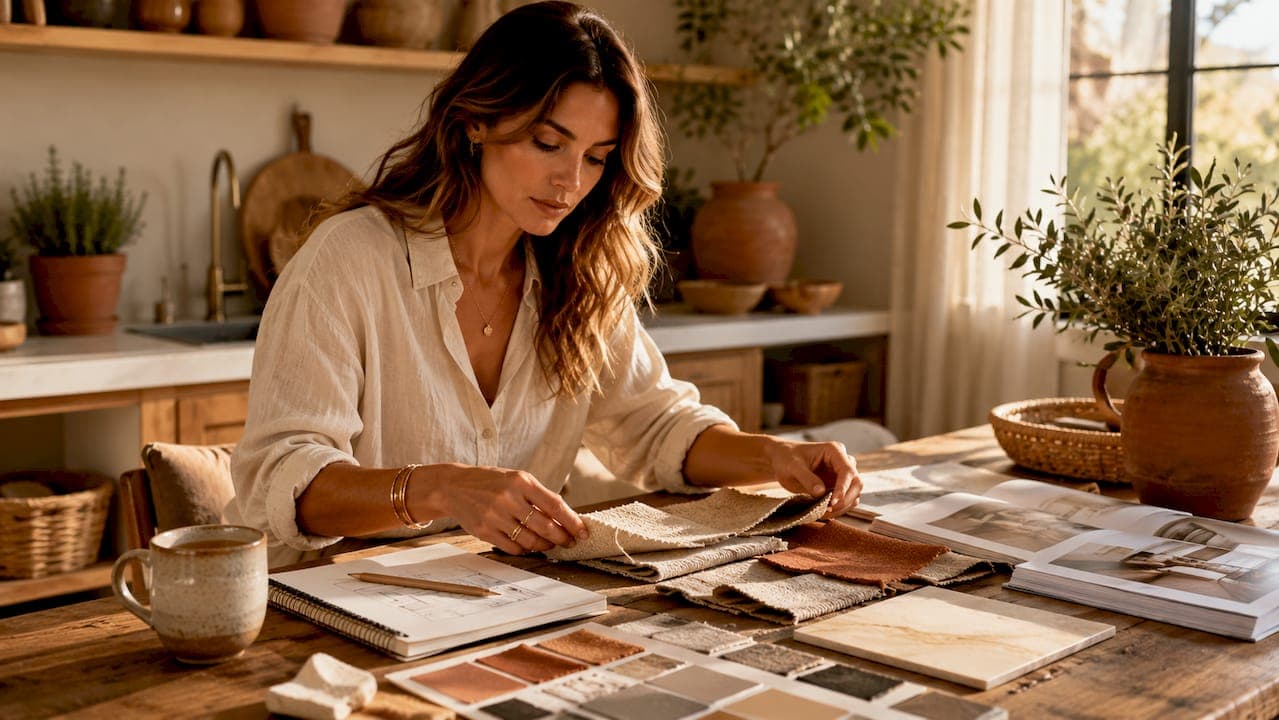
A curated home aesthetic is defined as the deliberate selection of meaningful, quality pieces that create a cohesive, personal living space rather than simply filling rooms with decoration. Interior designers distinguish this from standard decorating by calling it intentional design, a practice rooted in editing, personal narrative, and visual harmony. Where decorating asks "does this look nice?", curation asks "does this belong here and why?" The concept draws from Japanese wabi-sabi and Scandinavian lagom principles, both of which emphasize meaning over abundance. Understanding this distinction changes how you shop, arrange, and live in your home.
What is a curated home aesthetic vs. traditional decorating?
A curated home aesthetic differs from standard decorating by prioritizing intentional, personal meaning over trend-chasing. Decorated rooms fill space. Curated rooms tell a story.
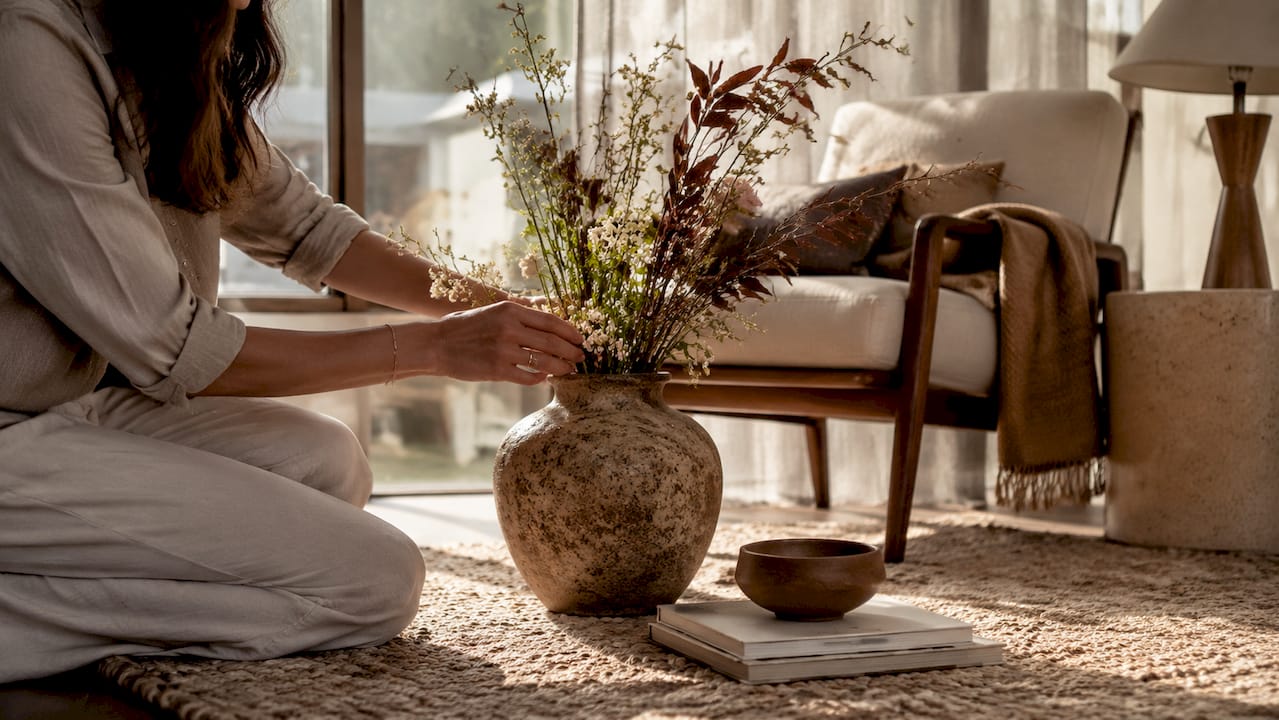
The most visible difference is editing. A curated space removes as deliberately as it adds. Negative space, the breathing room around objects, allows each piece to register visually and emotionally. Without it, even beautiful objects compete for attention and cancel each other out.
Curated interior design also relies on layering. Textures, materials, and scales are balanced so the eye moves naturally through a room rather than stopping abruptly. A linen sofa, a hand-thrown ceramic bowl, and a woven throw are not random choices. They are part of a visual dialogue between materials that creates depth and invites curiosity.
Here is how the two approaches compare directly:
| Element | Curated Design | Traditional Decorating |
|---|---|---|
| Selection criteria | Personal meaning and quality | Visual appeal or trend |
| Use of space | Intentional negative space | Surfaces filled to capacity |
| Evolution | Grows and changes over time | Fixed to a theme or moment |
| Emotional result | Feels personal and lived-in | Can feel staged or generic |
| Anchor pieces | One or two high-quality focal items | Multiple competing focal points |
Pro Tip: Before adding anything new to a room, remove one item first. This forces you to evaluate what truly earns its place, which is the core discipline of curation.
The table above makes one thing clear: curated design is a practice, not a purchase. You can have a curated home on any budget, as long as every choice is intentional.
What are the professional design practices for a curated home?
Professional interior designers follow a repeatable framework when building a curated aesthetic. You do not need to hire one to use it. The process begins before you buy a single thing.
Start with inspiration images. Collect 30–50 images that genuinely excite you, not images you think you should like. Experts recommend gathering inspiration images to identify patterns in your taste before spending money. When you lay them side by side, recurring colors, textures, and moods will surface. Those patterns are your personal aesthetic.
Build a mood board. A physical or digital mood board acts as a blueprint for every furniture and accessory decision that follows. It keeps you anchored when you encounter something shiny and off-theme in a store. Canva, Pinterest boards, or a simple corkboard all work equally well.
Define your color palette and texture scheme. Limit yourself to 3–5 colors and repeat 2–3 material themes throughout the space. Consistency in these elements is what makes a room feel cohesive rather than collected at random.
Plan your space before you shop. Map dimensions, identify traffic flow, and decide on furniture scale before purchasing. A beautiful piece that crowds a room or blocks natural movement undermines the entire aesthetic. This step prevents the most expensive mistakes.
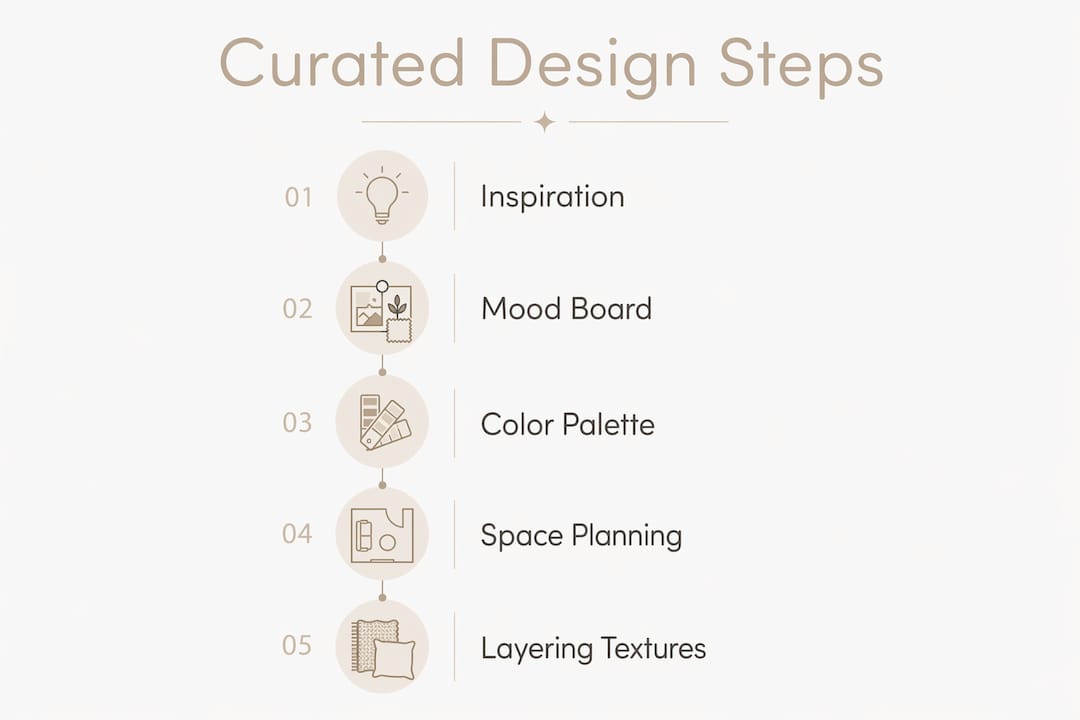
Layer lighting and texture last. Artistic layering balances asymmetry and uses lighting to accentuate textures, preventing a static or staged look. Ambient, task, and accent lighting each serve a different purpose. Together, they make a curated space feel alive at any hour.
Pro Tip: Mix one or two pieces with genuine age or artisan origin into a modern room. A hand-embroidered pillow or a vintage ceramic piece adds the kind of depth that brand-new furniture simply cannot replicate. You can explore how pairing artisan crafts with contemporary furniture creates this layered quality.
What misconceptions should you avoid when curating your home?
The biggest misconception about curated home decor is that it requires a large budget. Curation is about mixing anchor pieces with personal, less expensive finds to create authenticity and depth. One well-made sofa paired with a flea market lamp and a handcrafted throw creates more character than a room full of matching furniture sets.
A second common pitfall is overcrowding. Over-curating by filling surfaces is a beginner mistake that defeats the entire purpose. Negative space is not empty space. It is the visual rest that makes your chosen pieces feel significant.
Three more misconceptions worth addressing directly:
- Curation is a one-time project. It is not. A curated interior evolves continuously as your tastes develop and your life changes. A room that felt complete three years ago may need editing today.
- You need a professional designer. Achieving curation requires ruthless editing and consistent aesthetic focus, not a design degree. The discipline is learnable.
- Trends should guide your choices. Prioritizing how a space feels, whether calm, warm, or energizing, produces a more lasting result than following popular design cycles. Trends date a room. Personal feeling does not.
Patience is the most underrated tool in this process. Impulse buys, even beautiful ones, often disrupt a developing aesthetic. A layered personal aesthetic grows over time with thoughtful choices, not weekend shopping sprees.
How can you start creating a curated home aesthetic today?
Starting is simpler than most people expect. The first move is always an edit, not a purchase.
- Audit what you already own. Walk through each room and identify which pieces genuinely resonate with you. Remove anything that feels like a placeholder or a compromise. This creates the negative space your future curation needs.
- Gather your inspiration. Spend one hour collecting images that reflect how you want your home to feel. Save them in a single folder or board. Look for the patterns that repeat across images you love.
- Define your palette and materials. Choose 3–5 colors and 2–3 textures that appear consistently in your inspiration. Write them down. These become your filter for every future purchase.
- Map your space. Measure your rooms and sketch a rough floor plan. Identify where natural light falls, where traffic flows, and where your eye naturally lands. This tells you where anchor pieces belong.
- Add gradually and with intention. Buy one meaningful piece at a time. A warm and inviting living room is built through layering over months, not assembled in a single afternoon. Each addition should earn its place by contributing to the palette, the texture scheme, or the emotional tone you defined.
- Revisit and edit regularly. Set a reminder every six months to reassess. Remove what no longer fits. Make room for pieces that reflect where you are now.
The process rewards patience. A home that has been curated over two or three years carries a quality that no single shopping trip can produce. It feels collected, not purchased.
Key takeaways
A curated home aesthetic is built through intentional editing, consistent visual language, and patient layering over time, not through buying more.
| Point | Details |
|---|---|
| Curation starts with editing | Remove pieces that do not belong before adding anything new to a room. |
| Negative space is a design tool | Intentional empty space makes each curated piece feel more significant and impactful. |
| Mood boards prevent costly mistakes | Defining your palette and texture scheme before shopping keeps every purchase on-theme. |
| Mix anchor pieces with personal finds | One quality focal piece paired with affordable personal items creates authentic depth. |
| Curation is an ongoing practice | A personal aesthetic evolves over years, not weekends, so patience is the core skill. |
Why curation is really about editing, not acquiring
I have spent years watching people approach their homes the same way they approach shopping: with enthusiasm and a full cart. The rooms that move me most are never the ones with the most objects. They are the ones where someone clearly said no more often than yes.
The hardest part of defining a home aesthetic is not finding beautiful things. Beautiful things are everywhere. The hard part is resisting them when they do not belong. Negative space is uncomfortable at first. A bare shelf feels unfinished. A single object on a wide surface feels lonely. But that discomfort is exactly where a curated aesthetic lives. It is the space that makes the chosen piece matter.
What I find most honest about curation is that it reflects how you actually live, not how you want to appear. A room full of soulful, handcrafted pieces tells a different story than a room assembled from a catalog. One is a portrait. The other is a set.
The most common mistake I see is treating curation as a destination. People want the finished room. But the rooms with the most character are never finished. They carry the evidence of time, of taste evolving, of a life being lived. That is not a flaw in the process. That is the point.
— Ernesto
Bring your curated vision to life with Createdecorus
Every curated space needs at least one piece that carries genuine weight, something made with care and intention rather than produced at scale.
Createdecorus handcrafts luxury home accents in Mexico, where artisan traditions have been passed down through generations. Each pillow, ottoman, and accent piece is made with rich textures, bold colors, and the kind of thoughtful detail that a curated room deserves. These are not filler pieces. They are the anchor objects that give a space its character and warmth. When you place a Createdecorus piece in a room, you are adding a gesture of care that mass-produced decor simply cannot replicate. Browse the full collection of handcrafted luxury pillows and find the piece that belongs in your space.
FAQ
What is a curated home aesthetic in simple terms?
A curated home aesthetic is the intentional selection of meaningful, quality pieces that work together to create a cohesive personal space. It prioritizes editing and visual harmony over filling rooms with decoration.
Does a curated home have to be expensive?
No. Curation means mixing one or two quality anchor pieces with personal, affordable finds to create authenticity. The investment is in thoughtfulness, not price tags.
How is curated interior design different from decorated interiors?
Curated design relies on editing, negative space, and personal narrative. Decorated interiors tend to fill space with aesthetic-only pieces without a unifying story or intentional restraint.
How long does it take to create a curated home aesthetic?
A layered, personal aesthetic develops over years, not weekends. Gradual, intentional additions produce a more authentic result than completing a room in a single shopping session.
Where do i start if i want to define my home aesthetic?
Start by collecting 30–50 inspiration images to identify patterns in your taste, then define a 3–5 color palette and 2–3 repeating textures before making any new purchases.