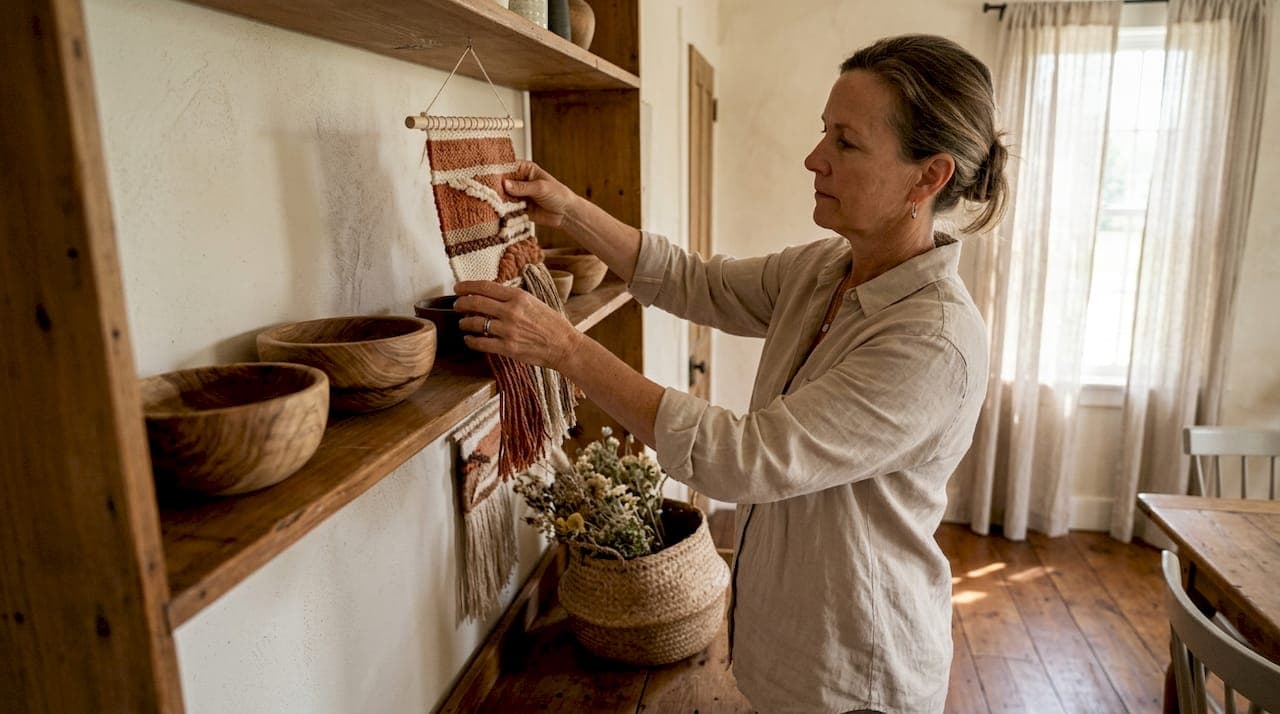
Artisan home decor is defined as handcrafted decorative and functional objects made by skilled artisans using traditional techniques passed down through generations. Each piece carries a maker's fingerprint: slight asymmetries in a glazed ceramic bowl, an irregular weave in a handmade textile, or the grain variation in carved wood. These qualities are not flaws. They are the proof of human hands at work. Unlike generic handmade goods, authentic artisan decor requires verifiable skill linked to regional craft traditions, specific materials, and traceable origins. Categories span hand-thrown ceramics, woven textiles, carved wood, hand-forged metals, and blown glass. Createdecorus builds its entire collection on this foundation, sourcing pieces that carry the soul of Mexican craft tradition into contemporary living spaces.
What are the main types of artisan home decor?
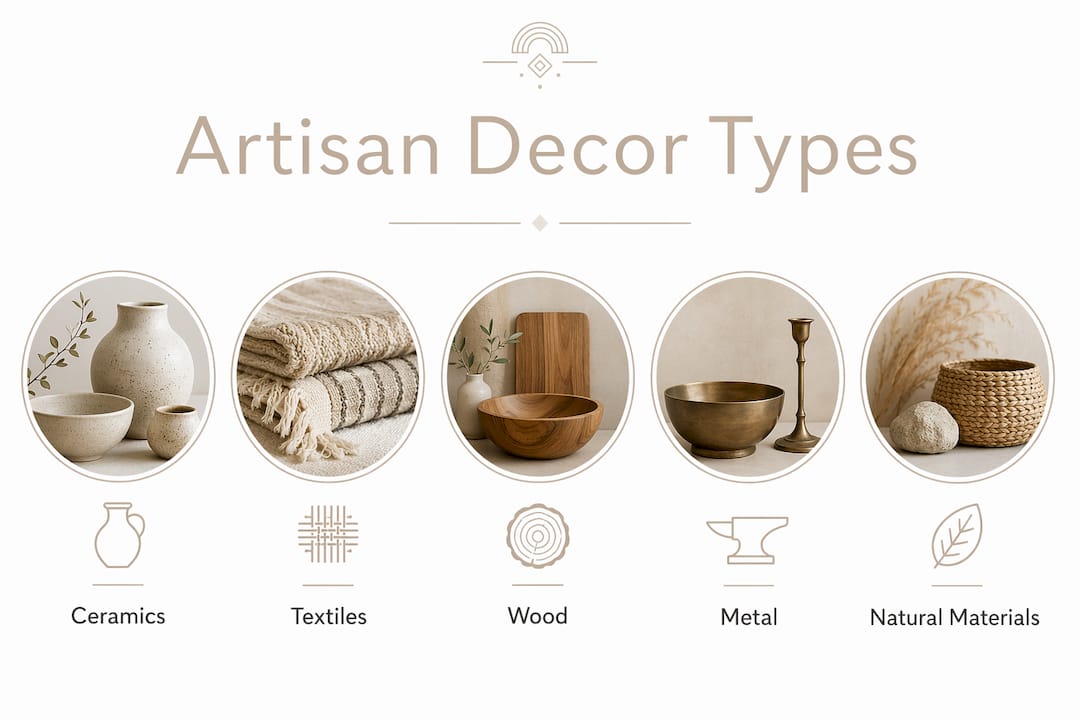
Artisan decor spans five core material categories, each rooted in distinct regional traditions. Understanding these categories helps you shop with intention and recognize genuine craftsmanship when you see it.
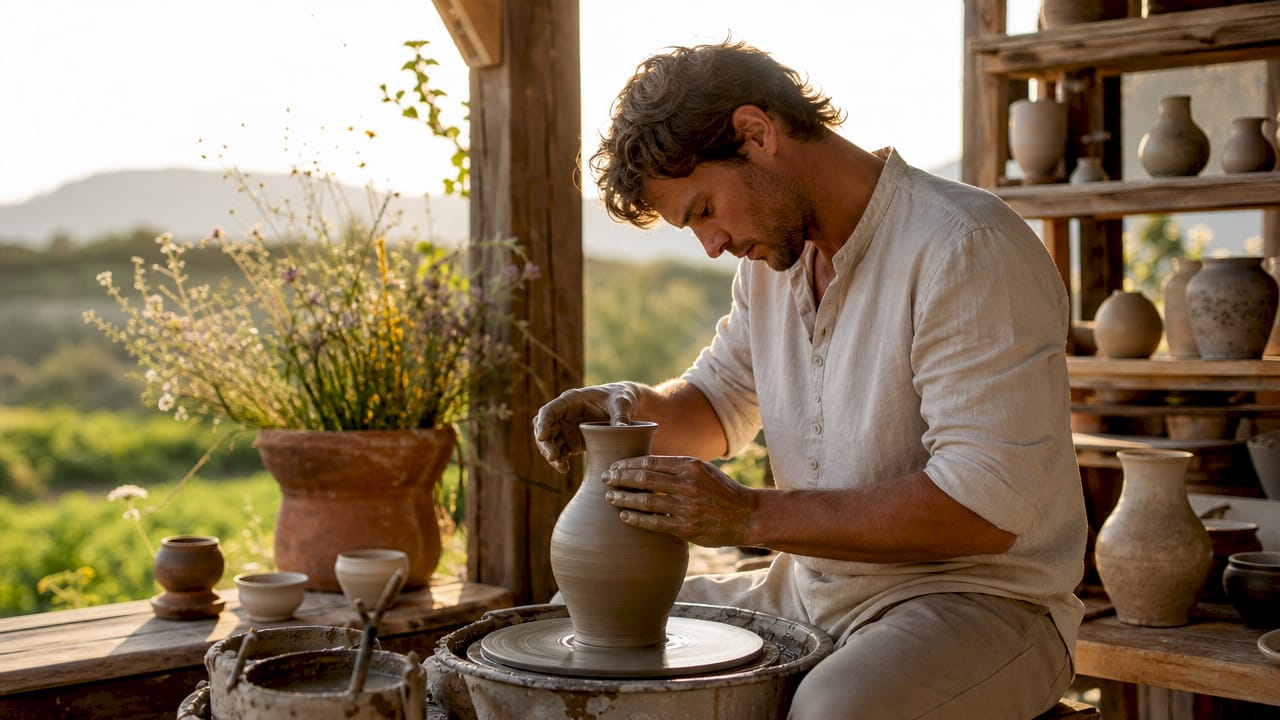
Hand-thrown ceramics are among the most recognizable artisan decor forms. A skilled potter shapes clay on a wheel, applies hand-mixed glazes, and fires each piece individually. No two bowls, vases, or platters come out identical. That variation is the point.
Woven textiles represent another major category. Handwoven rugs, block-printed throws, and embroidered cushion covers each reflect the weaving traditions of their region of origin. The density of the weave, the natural dye colors, and the pattern complexity all signal the level of skill involved.
Carved wood and hand-forged metals round out the structural artisan categories. Carved furniture accents, wooden trays, and decorative panels show the tool marks of the maker. Hand-forged iron candle holders or copper vessels carry the texture of the hammer. Blown glass, the fifth category, produces objects with subtle color gradients and organic shapes that machine molding cannot replicate.
| Material | Common Artisan Pieces | Key Characteristic |
|---|---|---|
| Ceramics | Bowls, vases, platters | Hand-thrown, individually glazed |
| Textiles | Rugs, throws, cushion covers | Hand-woven or block-printed |
| Wood | Trays, furniture accents, panels | Tool marks, natural grain variation |
| Metal | Candle holders, vessels, frames | Hand-forged texture |
| Glass | Vases, decorative objects | Organic shape, color gradients |
Natural and sustainable materials define artisan production. Artisan pieces use natural, recycled, and sustainable materials in contrast to the synthetic and plastic-based inputs of mass manufacturing. That material choice carries both environmental and emotional weight. A linen throw woven from plant fibers ages with grace. A plastic-molded imitation does not.
Why choose artisan decor over mass-produced pieces?
Artisan decor operates on the principle of slow design, which prioritizes longevity and quality over speed and volume. Artisan pieces often last decades because traditional jointing techniques and non-synthetic materials hold up far better than factory shortcuts. A hand-forged iron shelf bracket, for example, will outlast a stamped metal equivalent by years.
The ethical dimension matters too. Artisan production supports fair labor, preserves regional craft traditions, and keeps generational knowledge alive. When you buy a handwoven rug from a cooperative of weavers in Oaxaca, you are funding a livelihood, not a factory quota. That transaction carries meaning that a mass-produced rug from a big-box retailer simply cannot replicate.
"Artisan decor embodies slow design, resisting disposable consumerism and fostering a connection between maker, material, and buyer with culturally rich origins." — Base Handicrafts
Emotional value is the third advantage, and it is the one most homeowners underestimate. A piece with a known origin, a named maker, and a traceable craft tradition becomes a story you tell guests. It becomes part of your home's identity. Artisan decor provides uniqueness, sustainability, and storytelling that factory-made items simply lack. That storytelling quality is what separates a room that feels curated from one that feels assembled.
How does artisan decor add warmth to modern and minimalist homes?
Minimalist interiors are clean by design, but they can feel cold without the right counterbalance. Artisan decor solves that problem through tactile contrast. A rough-textured ceramic lamp base next to a smooth concrete wall creates visual interest that no matching set of store-bought accessories can achieve.
The soul of artisan decor lies in its imperfections. Small asymmetries in a hand-thrown vase or an irregular weave in a cushion cover signal that a human being made this object with care. Design experts note that these imperfections are desirable features, not defects. They support everyday use rather than gallery display. A piece you are afraid to touch has already failed its purpose.
Layered texture is the styling principle that makes artisan accents work in modern spaces. Sophisticated interiors mix contrasting materials such as matte wood with smooth glass, or rough linen with polished concrete, to build visual depth. Color matching is secondary. Texture layering is primary. A room where every surface shares the same finish feels flat, regardless of how carefully the palette was chosen.
Pro Tip: Apply the 80/20 balance rule: keep 80% of your room in clean-lined modern furniture and dedicate 20% to handcrafted accents. This ratio preserves the modern aesthetic while letting artisan pieces breathe and stand out.
Functional artisan pieces justify their investment through daily use. A hand-thrown ceramic mug you reach for every morning, a handwoven throw you pull across your lap each evening, or a carved wooden tray that holds your keys by the door. These objects earn their place through use, not display. That daily contact deepens your relationship with the piece over time.
How to select and style artisan home decor pieces
Not every handmade item qualifies as artisan decor. Authentic artisan pieces require verifiable high skill linked to regional traditions, traceable material origins, and a documented maker's process. When shopping, ask where the piece was made, by whom, and using which technique. A seller who cannot answer those questions is likely selling generic handmade goods, not true artisan work.
Here is a practical process for selecting and styling artisan pieces with confidence:
- Start with one statement piece. A large hand-knotted rug, a carved wood console, or a set of hand-thrown ceramic vessels creates an anchor for the room. Build around it rather than filling the space with many small items at once.
- Prioritize function over decoration. Choose pieces you will actually use. Artisan cushion covers, woven baskets, ceramic serving dishes, and hand-forged hooks all carry craft value while earning their place through daily use.
- Mix materials deliberately. Pair a smooth blown-glass vase with a rough linen textile. Set a carved wooden tray on a polished stone surface. One impactful artisan piece creates more visual interest than several smaller decorative objects placed without intention.
- Verify provenance before buying. Look for detailed maker information, regional craft tradition references, and material sourcing notes. Createdecorus, for example, documents the Mexican artisan heritage behind each piece in its collection, giving buyers a clear line of connection to the craft.
- Care for natural materials properly. Hand-thrown ceramics need gentle washing. Woven textiles benefit from spot cleaning and air drying. Carved wood responds well to occasional conditioning with natural oil. Proper care extends the life of artisan pieces by years.
Pro Tip: When pairing artisan pieces with modern furniture, choose one dominant material per room and use artisan accents in contrasting materials. This prevents visual noise while maintaining warmth.
Distinguishing artisan from generic handmade is a skill that develops with practice. The more you handle authentic pieces, the more quickly you recognize the difference in weight, finish, and construction. Visit craft markets, ask makers direct questions, and read about the regional traditions behind the pieces you admire. That knowledge makes you a more confident buyer.
Key Takeaways
Artisan home decor is defined by traceable craftsmanship, natural materials, and cultural heritage. These three qualities separate it from both mass-produced and generic handmade goods.
| Point | Details |
|---|---|
| Definition matters | Artisan decor requires verifiable skill, regional tradition, and traceable material origins. |
| Five core categories | Ceramics, textiles, wood, metal, and glass each carry distinct craft traditions and techniques. |
| Slow design advantage | Artisan pieces last decades due to traditional techniques and non-synthetic materials. |
| The 80/20 rule | Limit artisan accents to 20% of a room to balance warmth with a clean modern aesthetic. |
| Function over display | Choose pieces you use daily. Daily contact deepens their meaning and justifies the investment. |
Why imperfection changed how I see my own home
By Ernesto
I used to think a well-decorated room meant everything matched. Same wood tone, same metal finish, same color family. I spent years chasing that kind of visual order, and the rooms I created looked fine in photographs. They felt sterile to live in.
The shift happened when I brought home a hand-thrown ceramic bowl from a market in Oaxaca. It was slightly off-round. The glaze had pooled unevenly on one side. I set it on my kitchen counter and could not stop looking at it. That bowl had more presence than anything else in the room, and it cost less than a factory-made decorative piece from a chain store.
What I have learned since then is that most homeowners fear imperfection because they confuse it with poor quality. They are not the same thing. Poor quality means a piece that breaks, fades, or falls apart. Imperfection in artisan decor means the mark of a human hand, and that mark is exactly what makes a room feel inhabited rather than staged.
My advice is to start with one piece that genuinely moves you. Not a piece that matches your sofa, not a piece that fills a gap on a shelf. A piece with a story you want to tell. That single object will teach you more about artisan decor than any guide can. Once you feel the difference, you will not go back to filling your home with things that have no origin and no soul.
— Ernesto
Handcrafted luxury for your living space
Createdecorus was built on the belief that a home should feel like a personal sanctuary, not a showroom. Every piece in our collection carries the artisan heritage of Mexico, from the bold colors of hand-dyed textiles to the plush weight of our handcrafted luxury pillows.

Each pillow is crafted with pride by skilled artisans whose techniques have been passed down through generations. The result is a piece that brings warmth, texture, and cultural depth to any room. If you are ready to bring that warmth into your home, browse our full artisan collection or explore our handcrafted luxury pillows to find the piece that speaks to you. Trade clients and interior designers are also welcome to learn about our wholesale program for curated artisan accents at scale.
FAQ
What is artisan home decor, exactly?
Artisan home decor is defined as handcrafted decorative and functional objects made by skilled artisans using traditional regional techniques. Each piece is unique due to the maker's process, materials, and cultural origins.
How is artisan decor different from regular handmade items?
Authentic artisan decor requires verifiable high skill linked to regional craft traditions and traceable material origins. Generic handmade items may be hand-assembled but lack the cultural provenance and technical depth that define true artisan work.
What types of artisan decor work best in modern homes?
Hand-thrown ceramics, woven textiles, and carved wood accents integrate well into modern interiors by adding tactile contrast to clean-lined furniture. The 80/20 rule, keeping artisan pieces at roughly 20% of the room, maintains balance.
Does artisan decor last longer than mass-produced decor?
Artisan pieces often last decades because they use traditional jointing techniques and natural, non-synthetic materials. Mass-produced decor relies on shortcuts and synthetic inputs that degrade faster under regular use.
How do I know if a piece is genuinely artisan-made?
Look for detailed provenance: the maker's name, regional craft tradition, and material sourcing. A seller who cannot provide that information is likely offering generic handmade goods rather than authentic artisan work.