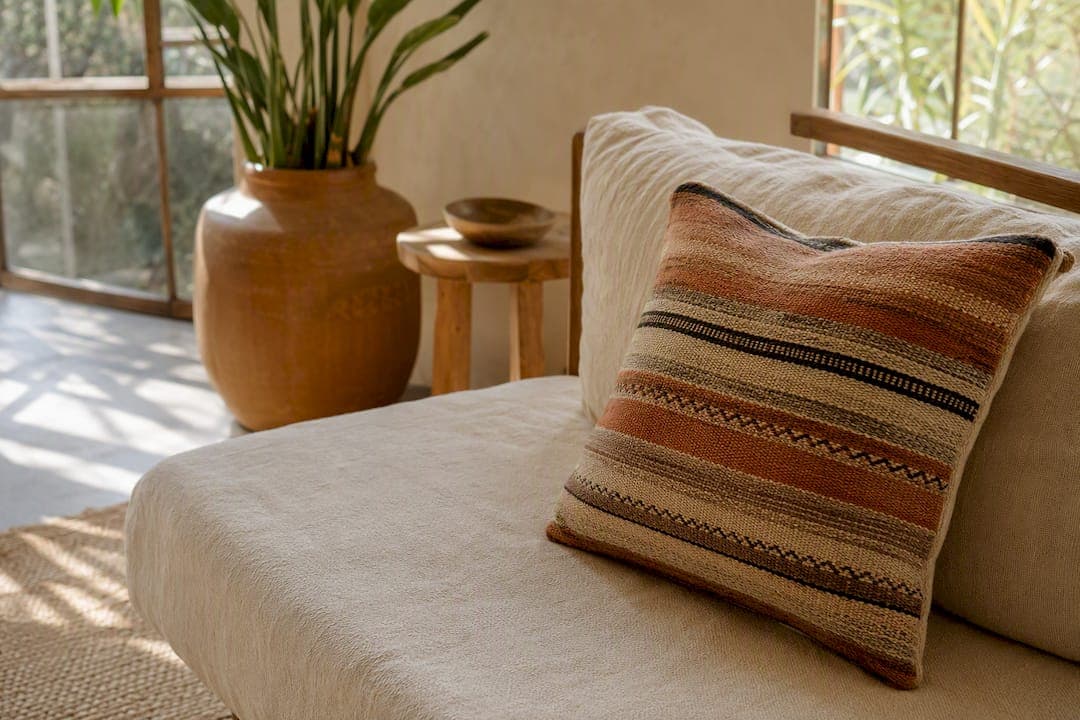
The best way to work artesanía mexicana contemporánea into a modern interior is to let one handcrafted object anchor a restrained space, rather than scattering pattern everywhere. Choose a single tactile piece, such as a hand-glazed vessel or a woven cushion, and give it room to breathe against a neutral palette. Three moves make this work immediately: place it where your eye naturally lands first, keep the surrounding textiles and finishes quiet, and confirm the maker and materials before you buy. From there, this guide walks through craft types by room, budgets and timelines, care, and the sustainability questions worth asking before you commission anything.
Key Takeaways
Contemporary Mexican craft works best in modern interiors when one handcrafted piece anchors a restrained palette instead of competing with multiple patterns at once.
| Point | Details |
|---|---|
| One focal piece per sightline | Choose a single tactile object, like a ceramic vase or woven cushion, and keep the rest of the room quiet. |
| Match craft type to room function | Textiles suit living rooms and bedrooms; ceramics suit dining spaces; fibers suit entries and offices. |
| Verify before you buy | Ask for maker biography, technique, region, and provenance references like the FONART catalog. |
| Follow material-specific care | Hand-wash ceramics, spot-clean textiles, and oil wood sparingly to protect both beauty and value. |
| Choose Create Decorus for accents | Shop curated, custom, or wholesale handcrafted pillows and accents produced in Mexico with vacuum-compressed shipping. |
Table of Contents
- What Is Contemporary Mexican Craft, Exactly?
- Why Do Handcrafted Pieces Work So Well In Modern Rooms?
- Which Craft Types Suit Which Rooms?
- How Do You Mix Handcrafted Pieces With Contemporary Furniture?
- How Do You Choose And Authenticate Real Artisan Pieces?
- How Should You Care For Different Craft Materials?
- What Do Sustainable Craft Partnerships Actually Look Like?
- Why This Matters To Us At Create Decorus
- Bring Contemporary Mexican Craft Home With Create Decorus
- Sources
What Is Contemporary Mexican Craft, Exactly?
Contemporary Mexican craft is living heritage paired with designer-led experimentation, built for daily use rather than display behind glass. It differs from folk art, which tends to preserve a fixed regional form, and from industrial design, which prioritizes repeatable manufacturing over the maker's hand. Think hand-thrown tableware with irregular glazing, woven cushions built on a backstrap loom, or lamps made from repurposed agave fiber.
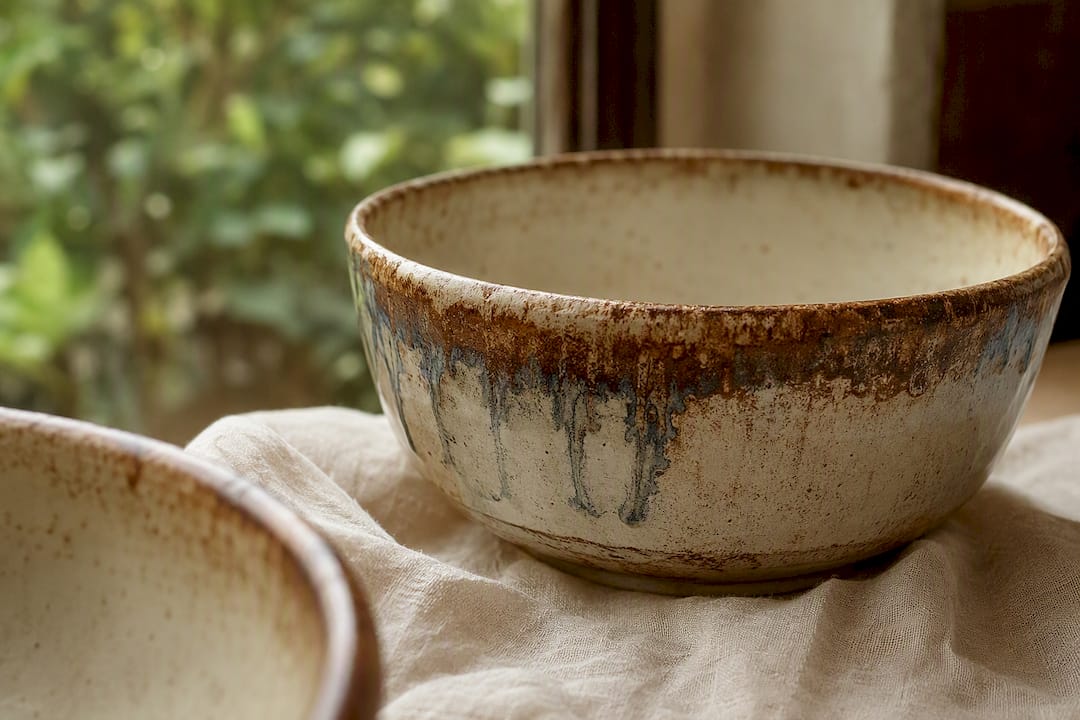
The "contemporary" label depends on three things: region, technique, and maker intention. An Oaxacan textile made with natural dyes reads differently than a Michoacán ceramic fired on a traditional wheel, and both differ again when a designer collaborates with the artisan to adapt scale or color for a modern room. That collaboration, more than the material itself, is what separates today's modern Mexican artisans from purely historical production.
Why Do Handcrafted Pieces Work So Well In Modern Rooms?
Handmade objects bring tactile honesty to rooms that otherwise run cool and uniform, embracing interior design styles that love handcrafted porcelain. A slightly uneven rim on a bowl, a visible knot in a woven textile, or a glaze that pools unevenly are not flaws. They are signals of a human hand at work, and they give a minimalist room a point of warmth it cannot manufacture on its own.
Contemporary ceramic collaborations treat intentional traces of process, irregularities and natural texture, as desirable qualities that build a deeper connection between the object and the person using it, according to coverage of studio davidpompa's collaborative clay collections.
That idea matters for everyday living, not just showrooms. A hand-glazed mug you use every morning accumulates meaning the way a factory-made one never will, and that is exactly the kind of quiet richness Mexican cultural craftsmanship adds to a home that otherwise leans spare.
Which Craft Types Suit Which Rooms?
Contemporary Mexican craft spans several material categories, and each one has a room where it does its best work.
- Textiles (woven cushions, wall hangings): living rooms and bedrooms, where they soften low-profile sofas and headboards.
- Ceramics (tableware, vases): dining rooms and kitchens, since studios increasingly design restrained silhouettes meant for everyday handling rather than display.
- Wood (carved stools, side tables): entryways and home offices, where a single sculptural piece reads as furniture first, craft second.
- Metal (lighting fixtures, hardware): dining rooms and hallways, where reflective surfaces catch ambient light.
- Glass (blown vessels, pendant shades): kitchens and living rooms, prized for the way irregular bubbles and thickness scatter light.
- Natural fibers (sisal, corn husk, agave): home offices and entries, where woven surfaces bring texture without visual noise.
Placement follows a simple logic: pick one focal piece per sightline, group smaller objects in odd numbers, and reserve your boldest textures for rooms where you spend the most unhurried time.
How Do You Mix Handcrafted Pieces With Contemporary Furniture?
Limit yourself to one tactile focal object per sightline, then let a restrained palette and simple furniture silhouettes carry the rest of the room. Overcrowding a space with pattern is the fastest way to tip a modern interior into looking cluttered instead of curated.
- Scale first. Choose a piece proportionate to the furniture around it; an oversized woven wall hanging overwhelms a small reading nook, while a delicate one gets lost above a large sectional.
- Palette second. Match the craft piece to two or three colors already in the room instead of introducing a fourth.
- Texture third. Pair a smooth ceramic vase with a rougher jute rug so the eye has contrast without competition.
- Rhythm last. Repeat one material, like a terracotta tone or a specific weave, in two spots to tie the room together.
A single hand-glazed bowl centered on a minimalist dining table does more work than five smaller pieces spread across a shelf. A woven cushion on a low-profile sofa reads as intentional; three patterned cushions in a row often reads as busy.
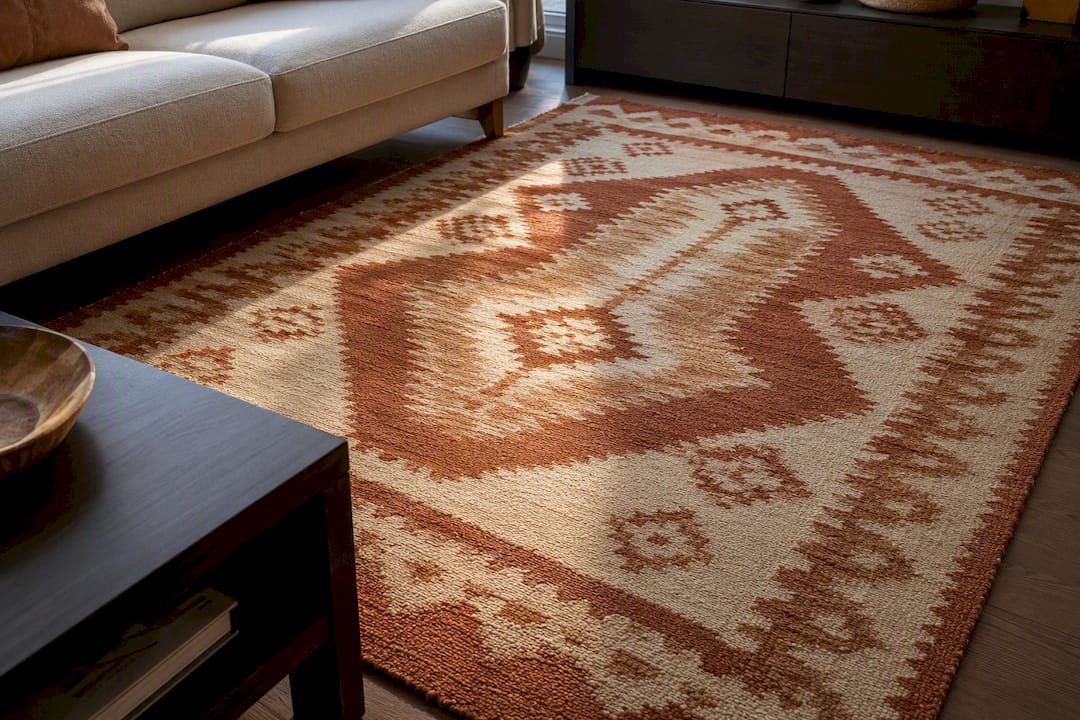
Pro Tip: If you love bold geometric motifs, use them on one object only, like a rug or a single cushion, and keep everything else nearby solid-colored. That restraint is what makes a pattern read as contemporary styling rather than costume.
How Do You Choose And Authenticate Real Artisan Pieces?
Verify the maker, the materials, the technique, and the shipping or return terms before you commit to any piece, whether it is ready-made or commissioned. A few minutes of questions upfront saves you from an impulse buy you cannot trace back to anyone.
- Ask for the maker's name, region, and a short biography; a seller who cannot answer this is a warning sign.
- Request a description of the technique used, such as hand embroidery, talavera glazing, or wheel-thrown ceramics on a traditional torno.
- Look for provenance documentation, including references to official resources like FONART's Catálogo de Artesanía Mexicana, which is widely used to verify maker credentials and craft quality.
- Confirm care instructions and realistic delivery timelines in writing.
Made-to-order textile and ceramic pieces typically run from a few weeks to a few months, depending on complexity, dye sourcing, and firing schedules. Prices vary widely by technique and size, and both tend to rise with intricate hand embroidery or multi-stage glazing. Look for pieces at reputable design fairs, specialized galleries, and established online retailers, or commission directly once you have confirmed a maker's background through a resource like Mexican artisan craft tradition.
How Should You Care For Different Craft Materials?
Simple, consistent care protects both the beauty and the cultural value of a handcrafted piece, and following the maker's own instructions is always your best starting point.
- Ceramics: avoid sudden temperature changes, hand-wash rather than using a dishwasher.
- Textiles: spot-clean when possible, air them out regularly, and send natural-dye pieces to a professional cleaner rather than risking color bleed.
- Wood: oil sparingly, a little goes further than reapplying too often.
- Metal: polish gently with a soft cloth, skip abrasive cleaners.
- Natural fibers: keep away from prolonged moisture, which weakens sisal and corn-husk surfaces over time.
Pro Tip: Rotate hand-finished tableware in and out of regular use instead of relying on the same two pieces daily, and store textiles flat or loosely rolled, never folded tightly against another dyed fabric, to prevent color transfer.
What Do Sustainable Craft Partnerships Actually Look Like?
Sustainable craft usually depends on long-term collaboration, where design decisions support artisan livelihoods instead of simply extracting cheap labor for a finished product.
Projects that treat the community as the client, rather than as a supplier, make choices around tool design and staggered investment that favor local employment and preserve cultural practice, according to reporting on designer Fernando Laposse's Totomoxtle project.
Totomoxtle turns discarded corn husks into marquetry-like surfaces while supporting crop diversity and village income. Caralarga built its production model around repurposing textile factory waste into cushions and lighting, employing dozens of artisans in the process. Before buying, ask a seller three questions:
- Does the studio name its artisan partners and their region?
- Can they describe how materials are sourced or repurposed?
- Do they mention fair pricing or long-term working relationships, not just a single transaction?
Pro Tip: If you want to support ethical production directly, commission a slightly larger piece or accept a longer lead time. Both give artisan studios room to plan work and pay fairly instead of rushing a batch order.
Why This Matters To Us At Create Decorus
Handcrafted objects earn their place in a home when they carry real technique and a real maker behind them, not just a pattern that looks Mexican from a distance. That belief shapes every accent piece we bring into the Create Decorus collection, from artisan-inspired textiles to sustainably produced fillings. If you're ready to see how a single handcrafted piece can anchor a room, our shop is a good place to start looking.
Bring Contemporary Mexican Craft Home With Create Decorus
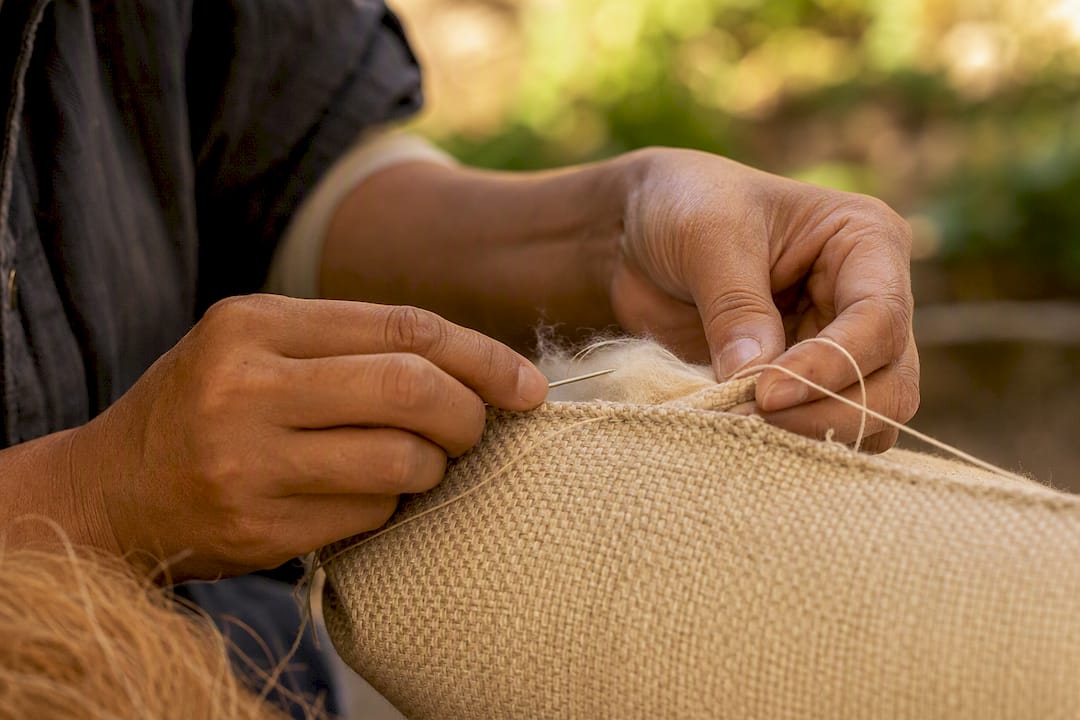
Create Decorus gives you a faster, more reliable path to authentic handcrafted pieces than hunting through fairs or waiting months on a first-time commission with an unfamiliar maker. Every piece is produced in Mexico with artisan-inspired textiles, sustainable materials, and premium filling, then shipped vacuum-compressed so it arrives ready for your room.

Our offering covers three paths depending on what you need:
- Curated, ready-made pieces for readers who want a tactile focal point without the wait of a full commission.
- Custom orders for those who want a specific palette, scale, or texture matched to an existing room.
- Trade and wholesale pricing for interior designers and boutiques sourcing multiple pieces at once.
Browse the full collection of handcrafted pillows and accents to find a piece that fits your space today, or reach out through Create Decorus to start a custom order or set up a wholesale account.
Sources
Consult these references to verify makers, study contemporary technique, or dig deeper into sustainable production models.
- davidpompa and mexican artisans handcraft ceramic series tracing human touch
- Catálogo de Artesanía Mexicana