
Integrating Mexican craftsmanship into luxury interiors means bringing together ancestral artisan techniques and exceptional materials to create spaces that feel genuinely alive. This is not about decorative accents dropped into a neutral room. It is a considered dialogue between artisan heritage and contemporary design, where every hand-carved beam, woven textile, and forged copper fixture carries a story of place and human skill. The result is a home that feels personal, layered, and deeply rooted.
The defining components of this approach include:
- Hand-carved wood: Pine, mesquite, and reclaimed timber shaped by artisans in Michoacán and Guerrero
- Natural stone and marble: Including red marble from Durango and tumbled stone from across Mexico
- Hand-woven textiles: Rugs, wall hangings, and upholstery produced using traditional loom techniques
- Ceramics and pottery: Talavera tiles, Oaxacan clay vessels, and bespoke ceramic installations
- Forged metals: Copper, iron, and hammered bronze used in lighting, hardware, and decorative objects
- Blown glass: Handmade lighting fixtures and decorative pieces from regional glass workshops
Table of Contents
- How integrating Mexican craftsmanship shapes luxury interiors
- Design principles that help you blend artisan pieces with modern luxury
- Why the human connection defines artisan luxury
- Authentic Mexican artisan brands and decor worth knowing
- How to create an authentic, luxurious Mexican interior
- The history behind Mexican artisan craftsmanship in interiors
- Preserving authenticity while meeting luxury standards
- Caring for handcrafted artisan elements in a luxury home
- Createdecorus brings Mexican artisan craft into your home
- Key Takeaways
How integrating Mexican craftsmanship shapes luxury interiors
Luxury interiors in Mexico increasingly fuse ancestral techniques with contemporary sophistication, using locally sourced materials like marble, hand-carved wood, forged metals, and hand-woven textiles to evoke both place and tactile luxury. The Four Seasons Hotel Mexico City renovation, guided by designer Bibiana Huber, demonstrated this with precision: workshops from Mexico City, Guadalajara, Michoacán, Cancún, and Durango contributed exclusively designed pieces, giving life to spaces where luxury is defined by the handmade.
Signature materials and techniques include:
- Talavera ceramics: Glazed tiles and decorative objects from Puebla, recognized for their cobalt and white geometric patterns
- Amate bark paper: Used in wall art and decorative panels, rooted in Nahua and Otomi traditions
- Huipil-inspired textiles: Geometric weaving patterns drawn from indigenous garment traditions, reinterpreted for upholstery and cushions
- Lacquerwork: Decorative trays and furniture surfaces finished using Michoacán maque techniques
- Hand-painted basins and vanities: A signature detail in luxury bathrooms, as seen in the Four Seasons renovation
Pro Tip: When sourcing ceramics, ask specifically about the firing method. Wood-fired pieces carry subtle variations in glaze that machine-produced tiles cannot replicate, and that variation is precisely what gives a luxury interior its sense of depth.
Design principles that help you blend artisan pieces with modern luxury
Modern Mexican design balances heritage and modernity so each element tells a story of craft and place, resulting in interiors that feel fresh yet deeply rooted. The Mesonia boutique suite in San Miguel de Allende, designed by Daniel Valero of Mestiz Studio, achieved this by commissioning every surface, fixture, and textile from master craftspeople in the Bajío region and northern Mexico.
Practical principles for your own project:
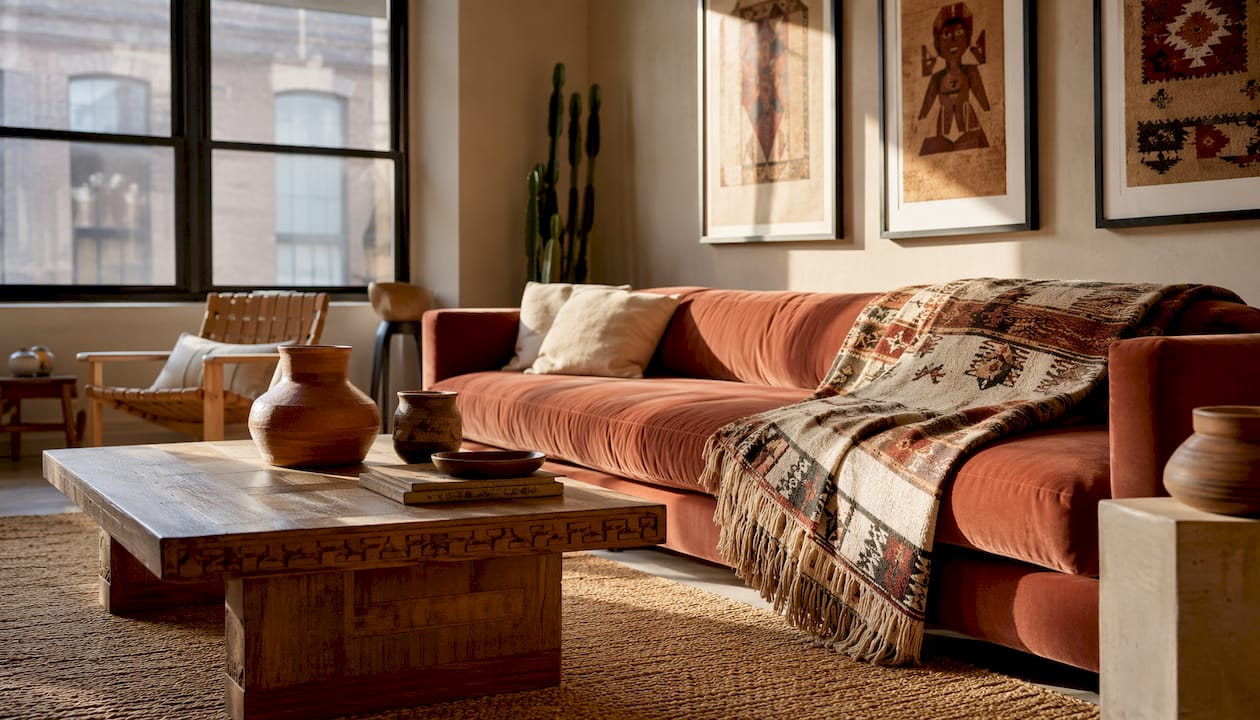
- Layer, do not theme: Place a hand-carved credenza alongside a clean-lined contemporary sofa rather than filling every corner with folk art. Layering heritage pieces with high-end contemporary design produces a personal, elegant aesthetic rather than a curated museum feel.
- Anchor with a neutral palette: Soft beige, warm sand, and terracotta tones let artisan pieces breathe. Bold pattern works best when the background is calm.
- Commission bespoke where it counts: Invest in one or two signature commissions, such as a hand-carved dining table or a custom woven rug, and let those anchor the room.
- Respect scale: A monumental woven wall piece works in a double-height living room. The same piece in a low-ceilinged study overwhelms the space.
- Mix regional traditions thoughtfully: Oaxacan black clay alongside Talavera tile alongside Michoacán lacquerwork can feel cohesive when united by a consistent color story.
Interior designers in Mexico emphasize a luxury that balances avant-garde design with artisanal craft, often through bespoke commissions that exceed mass-market decor aesthetics. For designers working with US clients, this means building lead times of 12–20 weeks into project schedules for custom commissions.
Pro Tip: Ask your artisan for a material sample before committing to a full commission. Natural stone, hand-dyed textiles, and wood all read differently under artificial light than in a workshop, and approving a sample saves costly revisions.
Why the human connection defines artisan luxury
The most compelling argument for handcrafted Mexican decor is not aesthetic. It is human. Each piece carries the knowledge of a craftsperson who learned their trade through years of practice, often within a family lineage stretching back generations. That knowledge cannot be replicated by a factory.
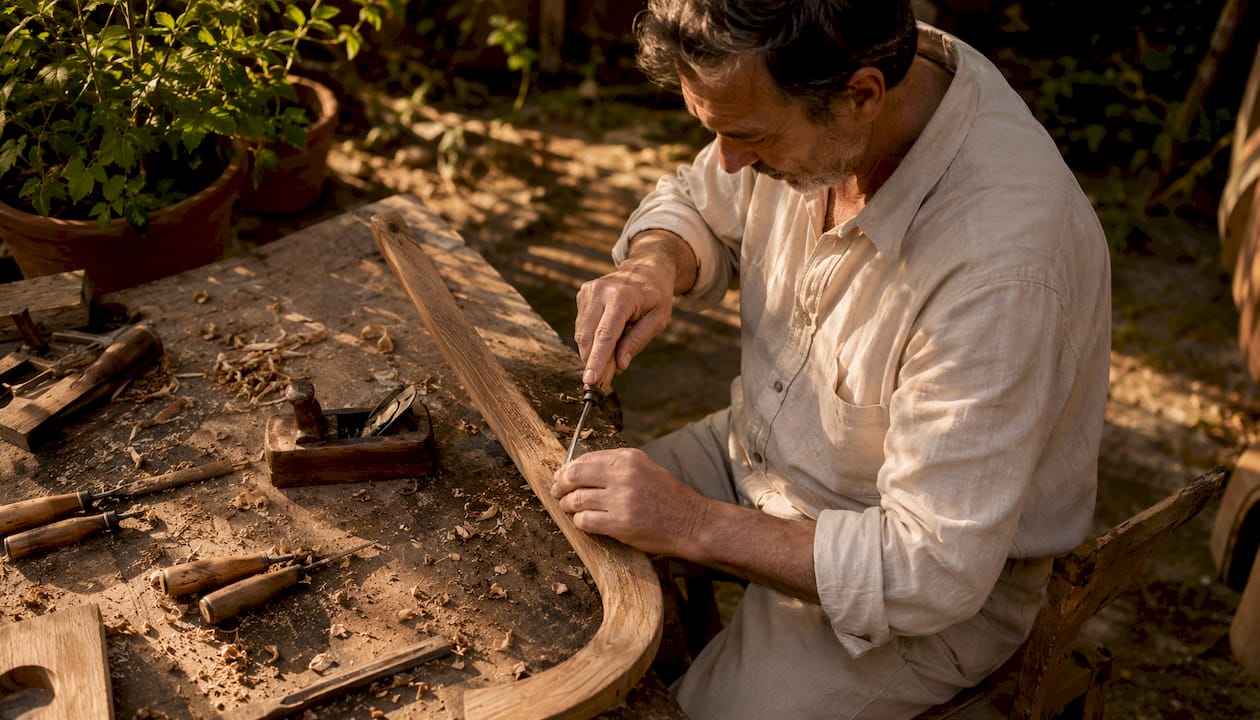
Luxury is increasingly defined by the emotional resonance and human connection behind design objects, not by excess. A hand-carved pine chest finished with beeswax and linseed oil, made by artisans in Michoacán from 300-year-old salvaged timber, carries a weight of meaning that no mass-produced piece can match. That meaning is what transforms a beautiful room into a personal sanctuary.
Integrating Mexican design into luxury spaces also empowers local creators, allowing craft to evolve into architecture and preserving cultural heritage as a living archive. At Casa de los Leones in Mexico City, every element from marble floors to custom furnishings was made in Mexico, foregrounding local materials and expertise as the structural foundation of the space.
Authentic Mexican artisan brands and decor worth knowing
Several brands and studios have built reputations for producing handcrafted Mexican luxury decor at the level affluent homeowners and designers expect.
- Mestiz Studio (San Miguel de Allende): Founded by Daniel Valero, the studio produces custom furniture, ceramics, and woven textiles using artisanal techniques developed with master craftspeople from the Bajío region.
- Marva Studio: Known for ceramic installations and bespoke decorative objects rooted in Michoacán clay traditions, with work featured in both hospitality and residential projects.
- LOFA Ceramics: Produces sculptural ceramic furniture pieces, including the Escamas .002 coffee table, developed in collaboration with C Cúbica Arquitectos.
- Beatriz Morales (textile artist): Creates monumental handwoven works using agave fiber, with pieces scaled for architectural installation in luxury interiors.
- Createdecorus: Specializes in handcrafted luxury pillows and home accents made in Mexico, blending rich textures, bold colors, and traditional artisan techniques. Each piece embodies the artisan heritage passed down through generations, offering a way to bring Mexican craftsmanship into a luxury home without a full renovation commission.
Pro Tip: For designers building a curated interior, consider pairing a statement textile from a studio like Beatriz Morales with smaller-scale handcrafted accents from Createdecorus. The contrast in scale creates visual rhythm while keeping the cultural narrative consistent.
You can explore curated artisan craft picks to find pieces suited to luxury residential interiors across a range of budgets and scales.
How to create an authentic, luxurious Mexican interior
Achieving this look well comes down to intention and restraint. A few guiding principles:
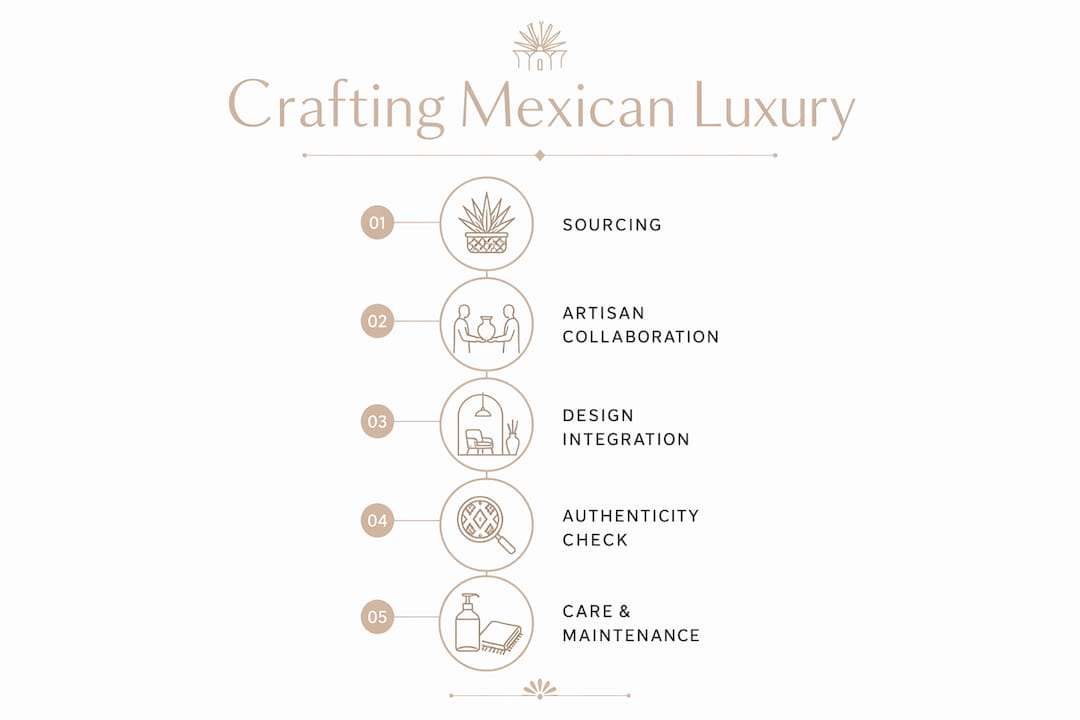
- Start with one anchor piece: Commission or source one significant handcrafted item, whether a carved wood console, a woven rug, or a ceramic installation, and build the room around it.
- Honor the source: Know where your pieces come from and who made them. That story is part of the object's value.
- Resist over-theming: A luxury interior informed by Mexican craftsmanship should feel personal, not like a cultural exhibit. Mix artisan pieces with contemporary furniture and global influences.
- Invest in quality over quantity: Two exceptional handcrafted pieces outperform ten decorative objects of uncertain origin.
- Document your artisans: Keep records of the makers, regions, and techniques behind your pieces. That provenance adds lasting value to the interior.
For a deeper understanding of how Mexican heritage informs home design, the cultural roots of these traditions matter as much as the aesthetic choices.
The history behind Mexican artisan craftsmanship in interiors
Mexican artisan traditions in the home trace back to pre-Columbian civilizations, where ceramics, weaving, and stonework were not decorative arts but functional expressions of cosmology and community. The Aztec, Maya, Zapotec, and Mixtec cultures each developed distinct craft vocabularies that survived the colonial period, absorbing Spanish and Moorish influences while retaining indigenous techniques. Talavera pottery, for example, emerged from the fusion of Spanish majolica traditions with indigenous clay practices in Puebla during the 16th century. Oaxacan black clay, shaped without a wheel using the prehispanic coil method, has been practiced continuously for over 2,000 years. These are not historical curiosities. They are living traditions, practiced today by artisans whose knowledge represents an unbroken line of cultural transmission. Bringing these traditions into a luxury interior is an act of cultural stewardship as much as an aesthetic choice.
Preserving authenticity while meeting luxury standards
The central challenge in this work is avoiding the drift toward pastiche. A piece that looks "Mexican" but was produced in a factory overseas carries none of the cultural weight that makes authentic craftsmanship worth the investment.
Successful integration requires building long-term relationships with artisans or partnering with intermediaries who manage quality, ethics, and global logistics. Made-to-order, low-waste production ensures durability and cultural narrative, elevating the result above generic interiors. For US-based designers, this means working with sourcing partners who maintain direct relationships with artisan communities and can verify provenance. It also means accepting that authentic handcrafted pieces will show natural variation. A hand-thrown ceramic bowl will not be perfectly symmetrical. A hand-woven textile will carry slight irregularities in the weave. These are not flaws. They are the evidence of human hands, and they are precisely what distinguishes the piece from a manufactured substitute.
For designers navigating trade programs and material sourcing, establishing trusted supplier relationships early in a project protects both timeline and quality.
Caring for handcrafted artisan elements in a luxury home
Handcrafted materials require care that differs from standard luxury finishes. Natural stone should be sealed annually and cleaned with pH-neutral products to prevent staining. Hand-carved wood benefits from periodic conditioning with natural oils, particularly in dry climates where central heating reduces humidity. Woven textiles should be rotated periodically to prevent uneven fading from directional light, and spot-cleaned rather than machine-washed to preserve the integrity of natural fibers. Ceramics, particularly unglazed pieces, are porous and should be kept away from standing water. Forged metals will develop a natural patina over time. Many designers and homeowners choose to preserve that patina rather than polish it away, as it deepens the character of the piece. The care these objects require is part of their relationship with the home. They reward attention.
Createdecorus brings Mexican artisan craft into your home

For homeowners and designers who want to bring authentic Mexican craftsmanship into a luxury interior without the complexity of a full bespoke commission, Createdecorus offers a direct path. Every piece in the collection, from decorative pillows to ottomans, is handcrafted in Mexico using traditional artisan techniques and exceptional materials. The brand's palette of soft beige, terracotta, and warm brown tones is designed to layer naturally with both contemporary furniture and heritage pieces, making it straightforward to introduce cultural depth without disrupting an existing interior. Each item carries the artisan heritage and thoughtful detail that defines true luxury, not mere excess. Browse the full handcrafted collection to find pieces that speak to your space, or explore the trade wholesale program if you are a designer sourcing for a client project.
Key Takeaways
Authentic luxury through Mexican craftsmanship depends on sourcing genuine artisan-made pieces, layering them with intention, and honoring the cultural heritage behind every material and technique.
| Point | Details |
|---|---|
| Lead with one anchor piece | Commission or source one significant handcrafted item and build the room's palette around it. |
| Layer, do not theme | Mix artisan pieces with contemporary furniture to create a personal, lived-in feel rather than a cultural exhibit. |
| Plan for artisan lead times | Custom commissions from Mexican artisans typically require extended lead times; build this into project schedules. |
| Care preserves value | Seal stone annually, condition carved wood with natural oils, and rotate textiles to protect handcrafted investment pieces. |
| Createdecorus for accessible craft | Createdecorus offers handcrafted Mexican pillows and home accents that layer naturally into luxury interiors without a full bespoke commission. |