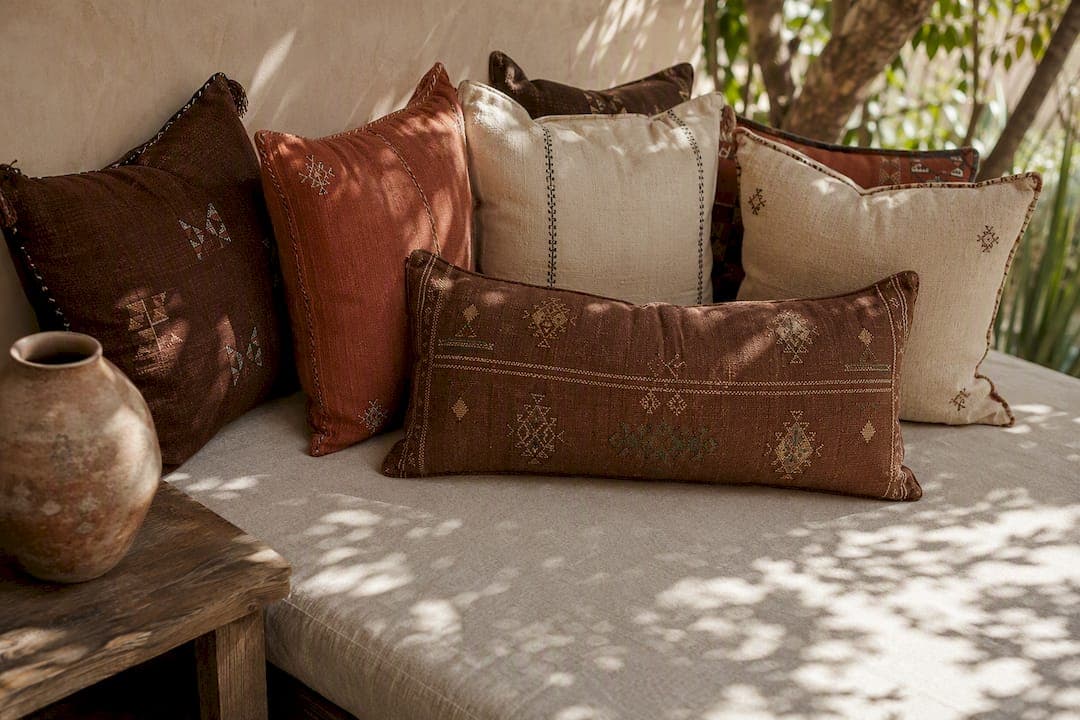
The best cushion shapes for most spaces are square, lumbar or rectangular, round or bolster, and floor cushions. The one rule that decides among them is simple: match shape to the furniture's function and scale. A standard 3-seater sofa generally calls for 2 to 4 cushions total. Handcrafted options in premium textiles, like the pieces Createdecorus makes by hand, give that formula a richer, more personal finish.
TL;DR:
- Cushions should be proportionally larger than the furniture seat depth, with 50x50 cm covers paired with 55x55 cm inserts for a plush look.
- Combining two or three square cushions with a lumbar or round accent creates a balanced, versatile arrangement for most sofas.
- Outdoor cushions require performance fabrics and slightly larger sizes to maintain shape and durability against sun and moisture.
- Handmade cushions using premium textiles and overfilled inserts offer a lasting feel that mass-produced options cannot match, especially for custom fits.
- Swapping one cushion shape for another, such as replacing a square with a lumbar or round, can dramatically improve the visual rhythm of a room.
Table of Contents
- What Are the Main Cushion Shapes and Where Do They Work Best?
- How Do You Choose Cushion Shapes for a Sofa, Bed, or Bench?
- How Many Cushions and What Size Should You Choose?
- Which Fabrics and Fills Suit Each Cushion Shape?
- What Are Reliable Formulas for Arranging Cushions?
- Can You DIY Different Cushion Shapes at Home?
- Why Handcrafted Cushions Are Worth the Investment
- One Small Shape Swap Changes Everything
- Find Your Next Cushion at the Createdecorus Shop
- Sources
What Are the Main Cushion Shapes and Where Do They Work Best?
Every cushion shape carries its own posture and purpose. Once you can name them, choosing gets a lot easier.
- Square cushions are the workhorses of any sofa or bed. They read as classic and versatile, and they anchor a composition the way a good rug anchors a room.
- Rectangular or lumbar cushions support the lower back on a sofa or bed headboard, and they visually break up a row of squares.
- Round cushions soften a mostly angular room and pair well with a bolder square or lumbar shape nearby.
- Bolster cushions, the long cylindrical form, work best flanking a daybed, a reading nook, or a bench where you need a firm armrest.
- Floor cushions turn a rug into extra seating for movie nights or low coffee tables, and they tend to feel more casual than anything placed on upholstery.
- Organic or oval shapes are newer to the mix and suit relaxed, bohemian-leaning rooms better than formal ones.
According to the design taxonomy at Brico Rondón, these forms exist because each solves a different ergonomic or decorative job, not because decorators simply like variety for its own sake. Square and lumbar shapes tend to feel more formal, while round, bolster, and floor cushions lean casual. If you're building out a look room by room, decorative pillows and their role in styling a home can help you see how these forms interact once they're actually in a space rather than on a shelf.
How Do You Choose Cushion Shapes for a Sofa, Bed, or Bench?
Shape selection comes down to three questions: What does this piece of furniture need structurally? What look are you going for? And how big is the cover relative to the seat depth?
- Start with function. A lumbar cushion earns its place when someone actually sits and leans back for long stretches. Squares add visual weight and fill negative space. Rounds soften corners without adding bulk.
- Build the sofa formula. A dependable mix is two or three squares plus one lumbar cushion angled at the corner or center. That combination covers both comfort and composition.
- Layer the bed. Work largest to smallest, back to front: euro squares against the headboard, standard squares in front of those, then a lumbar or round accent up front for the final touch.
- Dress a bench or window seat. A single long lumbar or two medium squares usually reads better than a crowd of small pillows, since the seat itself is shallow.
- Adjust for outdoor furniture. Choose performance fabrics rated for sun and moisture, and size up slightly. Larger cushions read better against the bulkier profile of outdoor frames and hold their shape through more handling.
Cover dimensions should always follow the depth of the furniture, not the other way around. A deep-seated sofa swallows a small 30x30 cm cushion; it needs something closer to 50x50 cm to register at all.
How Many Cushions and What Size Should You Choose?
Designers typically recommend a few cushions on a standard 3-seater sofa, according to Architectural Digest, and proportion matters more than the count itself. Oversized sectionals or deep-seat sofas can carry more cushions, but the moment cushions start crowding out usable seating, you've gone too far.
Common cover sizes break down roughly like this: 45x45 cm and 50x50 cm squares work for most sofas and beds, while 30x50 cm lumbar covers suit sofa corners, headboards, and window benches. Bolsters typically run 20x50 cm or longer depending on the daybed.
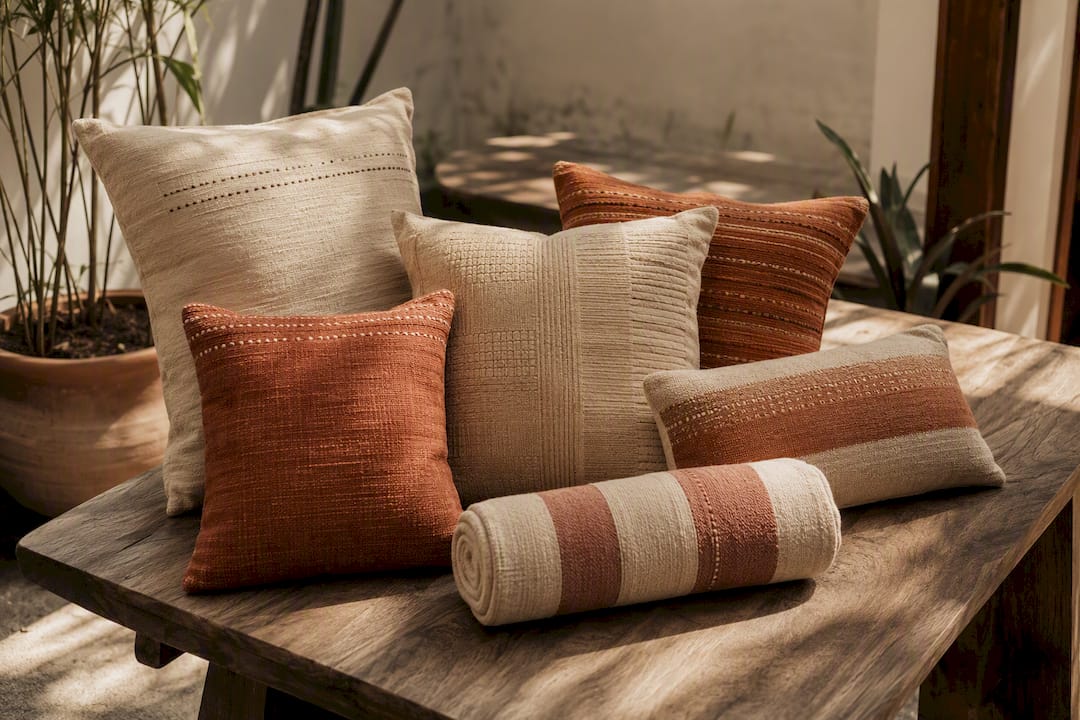
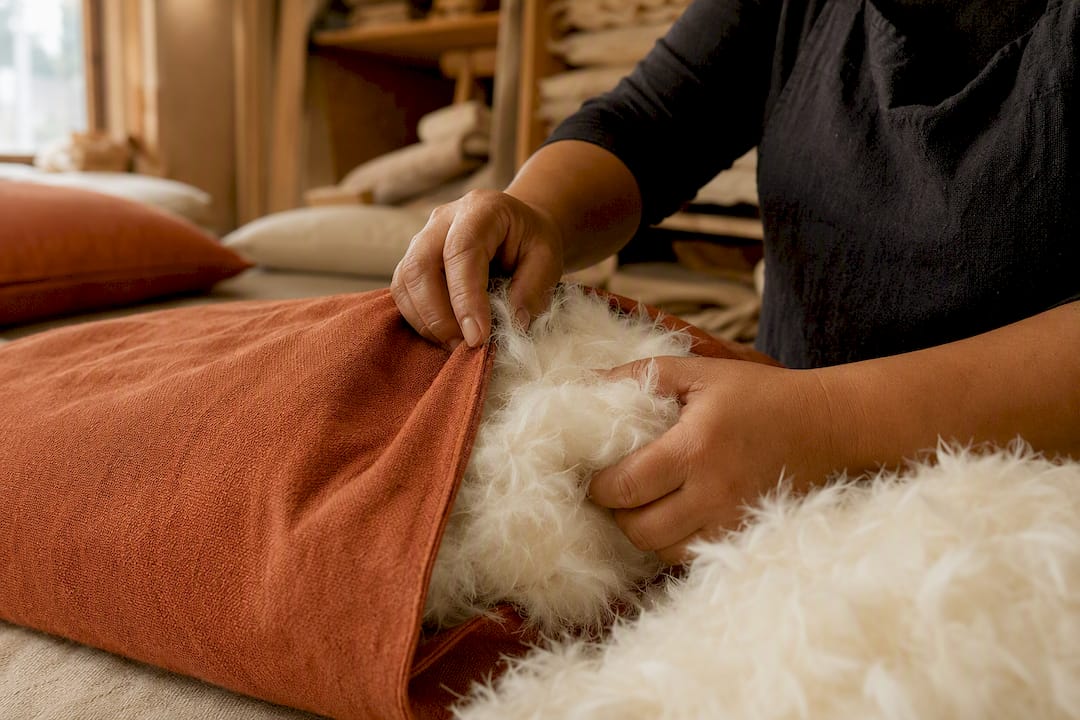
Here's the trick professional stylists rely on that most home decorators skip: oversize the insert. If your cover is 50x50 cm, buy a 55x55 cm insert. Interior designers confirm this technique produces the plush, sculpted look you see in high-end interiors, versus the flat, deflated look of a same-size insert. Feather and down blends hold that loft far longer than plain polyester.
Which Fabrics and Fills Suit Each Cushion Shape?
Fabric and fill choices should follow the same logic as shape selection: match the material to the job, then let texture do the styling work.
- Linen and cotton suit square cushions used as everyday sofa or bed staples; they breathe well and soften with wear.
- Velvet brings weight and shine to an accent square or lumbar cushion meant to stand out.
- Bouclé adds tactile interest to round or organic shapes, where the nubby texture reads as intentional rather than accidental.
- Performance fabric (solution-dyed acrylics and similar weaves) belongs on anything living outdoors or near pets.
- Down and feather blends give plush, sculpted loft to accent pieces you want to look intentional, not overstuffed.
- Polyester fill holds up better under kids, pets, and frequent washing, even if it loses shape faster over time.
Pro Tip: Pick your boldest fabric first, then build the rest of the palette around it. Limiting yourself to two or three colors and repeating one of them across different textures, like a bouclé throw and a linen cushion in the same rust tone, keeps a mixed-texture room from looking cluttered.
What Are Reliable Formulas for Arranging Cushions?
Three arrangements cover almost every situation, and you can rotate through them without ever feeling stuck.
- Symmetrical pair with a focal center. Place matching squares at each end of the sofa and one contrasting lumbar or round cushion in the middle. This reads formal and calm.
- Asymmetrical cluster. Group three or four cushions of varying shapes and sizes to one side, leaving the other side open. This feels livelier and works well in casual living rooms.
- Layered domino. Arrange largest to smallest working forward: euro squares in back, standard squares next, then a lumbar or round accent at the front edge.
Whichever formula you use, follow the back-to-front order of large to medium to small, and let a lumbar cushion interrupt the horizontal line so the arrangement doesn't look like a flat row. Stop adding cushions once someone can no longer sit down comfortably. That "breathing space," a phrase you'll hear from stylists constantly, is what keeps a sofa from looking like a display shelf. Swap covers seasonally, cool linens and lighter tones in warmer months, richer velvets and deeper hues in winter, for an easy refresh without buying anything new.
Can You DIY Different Cushion Shapes at Home?
Yes, and most of these projects take an afternoon. A basic square uses an envelope closure on the back, two overlapping rectangles that slide over the insert. A lumbar cover is just a simple rectangle sewn on three sides. A round cushion needs a fabric circle plus a side seam gathered slightly to fit the curve. A bolster is a tube shape with two circular end caps.
For stuffing, aim to overfill slightly rather than underfill.
- Add piping along seams for a tailored, higher-end finish.
- Sew on tassels or a simple appliqué for a handmade touch.
- Make covers reversible by using a lapped zipper closure so both fabric sides show.
- Keep covers removable for washing, and check care labels before machine washing textured fabrics like bouclé.
Between seasons, store filled cushions in breathable bags rather than sealed plastic, which traps moisture and flattens natural fill. The right way to store cushions between seasons covers the fuller version of that process if you're rotating a large collection.
Why Handcrafted Cushions Are Worth the Investment
Machine-made cushions get the shape right. Handcrafted ones get the feel right, and that difference shows up the moment you sit down. Createdecorus builds each cushion with artisan textiles and premium fills chosen for structure that lasts years, not months. Custom sizing earns its cost when a cushion has to fit an unusual bench, a deep sectional corner, or a sculptural look you can't find on a standard shelf. The craftsmanship itself becomes part of the arrangement, not just filler between the "real" furniture.
One Small Shape Swap Changes Everything
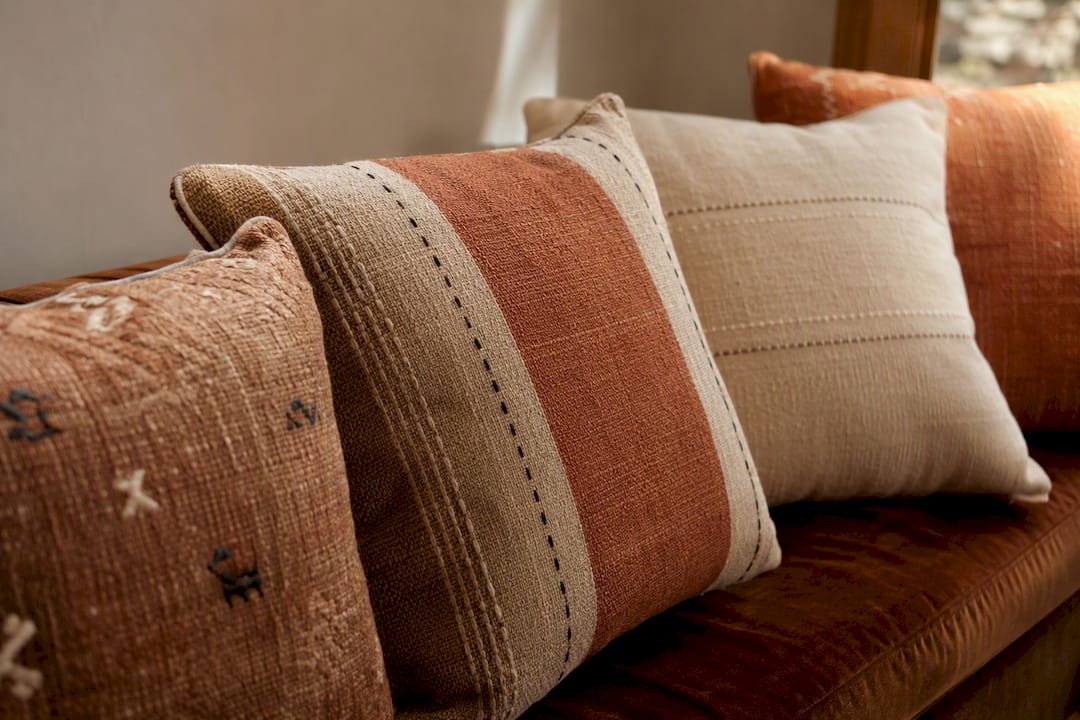
Most living rooms default to four matching squares because it's the safe choice, and safe is fine until it starts feeling flat. Swap one square for a lumbar cushion or a round accent, and the whole arrangement gains rhythm it didn't have before. Try it on one piece of furniture this month before committing to a full room. Small experiments, seasonal swaps included, teach you more about your own taste than any single guide can.
— Ernesto
Find Your Next Cushion at the Createdecorus Shop
Once you know the shape, size, and fill you want, buying the right cushion becomes a lot faster than hunting through generic retailers. Createdecorus is the direct route to handcrafted quality without the trial-and-error of mismatched mass-market covers and flat inserts.
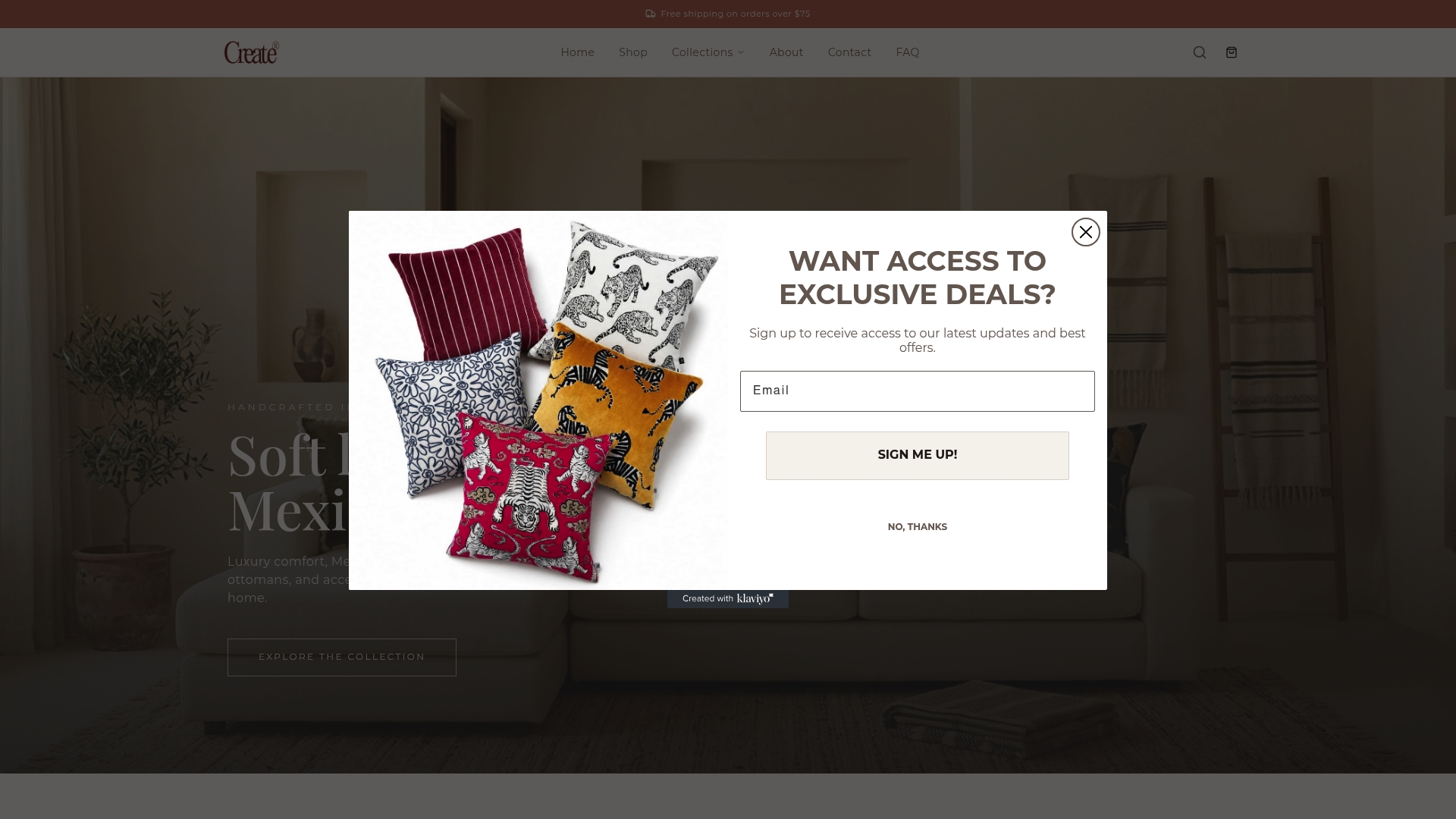
The shop carries artisan-woven textiles, premium down and polyester fill options, and custom sizing for covers that don't fit a standard 45x45 cm or 50x50 cm mold. If you followed the sofa formula earlier, look for a lumbar shape in a bold textured fabric to pair with two or three square accents in a coordinating tone. Not sure which texture fits your palette? Request fabric swatches before committing to a full order, or browse the full pillow collection to match a shape and fill to the room you're working on right now.
Sources
- Cojines, cómo ponerlos en 2026 | Architectural Digest
- Los interioristas confiesan sus secretos de decoración para colocar bien los cojines en casa
- Tipos de cojines - Brico Rondón