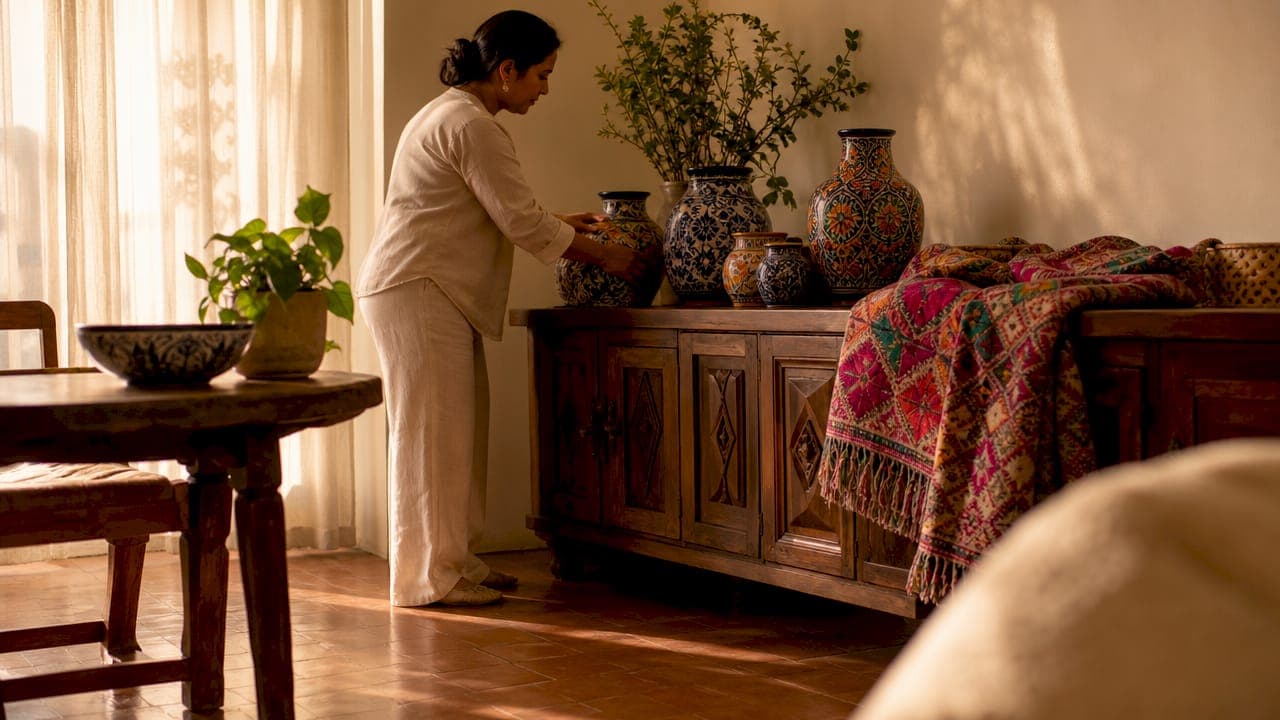
Starting a Mexican decor collection means selecting authentic, artisan-made pieces that serve as focal points for a cohesive and culturally rich home. This how to start mexican decor collection guide focuses on one core principle: quality over quantity, always. The best collections begin with a single anchor piece, sourced from a genuine artisan cooperative or reputable dealer, and grow intentionally from there. Regional craft traditions like Talavera pottery from Puebla, Zapotec rugs from Oaxaca, and Oaxacan black clay ceramics give your collection depth and meaning. Createdecorus believes every piece you bring home should carry a story worth telling.
How to start a Mexican decor collection: what you need to know first
Industry guides recommend starting with one focal piece, such as a large Talavera platter or a Zapotec rug, to build a cohesive collection and avoid clutter. That single piece sets the visual tone for everything that follows. Without an anchor, collections tend to drift into mismatched accumulations that feel more like a souvenir shelf than a curated home.
Mexican folk art, known formally as artesanía, spans centuries of regional craft tradition. Each region of Mexico produces distinct styles rooted in local materials, indigenous symbolism, and generational technique. Understanding those regional distinctions before you buy is the single most important preparation you can make.
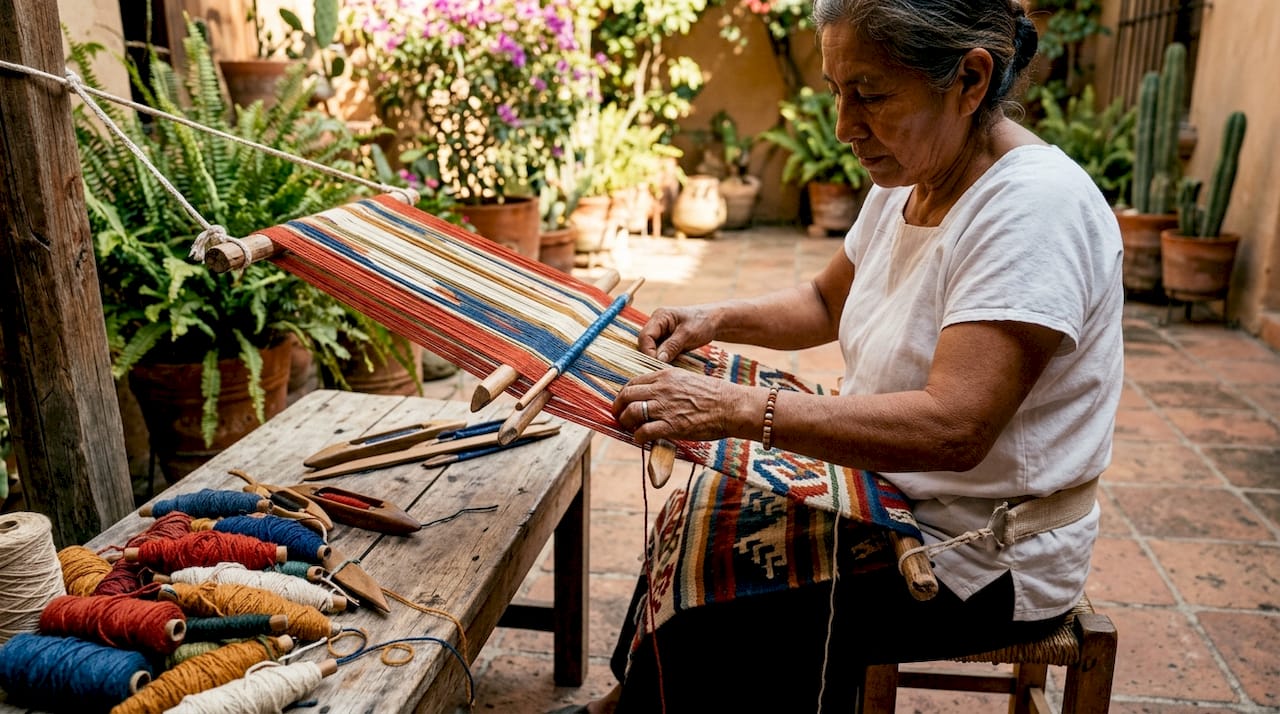
Common misconceptions associate Mexican decor with cheap tourist souvenirs. The reality is rich textures and regional specificity that rival fine art from any tradition. Recognizing that distinction separates a meaningful collection from a pile of mass-produced imitations.
What materials and regional crafts should you know before collecting?
Mexican artisan craft draws from a wide range of materials, each tied to a specific region and technique. Knowing these before you shop helps you ask the right questions and recognize genuine work.
Key materials and their origins:
- Talavera pottery (Puebla and Guanajuato): Hand-painted tin-glazed earthenware with bold geometric and floral motifs. Certified Talavera carries a denomination of origin seal from the Regulatory Council of Talavera.
- Zapotec rugs (Oaxaca): Hand-woven on backstrap or pedal looms using natural wool dyed with cochineal, indigo, and marigold. Irregular weave patterns are a sign of authenticity, not a flaw.
- Oaxacan black clay (barro negro): Polished by hand using a quartz stone, producing a distinctive metallic sheen. No two pieces are identical.
- Alebrijes (Oaxaca and Mexico City): Brightly painted carved wood or papier-mâché figures representing fantastical animals. Oaxacan wood versions differ significantly from Mexico City papier-mâché versions.
- Huichol beadwork (Jalisco and Nayarit): Intricate yarn or bead compositions pressed into wax, depicting sacred Huichol cosmology.
| Craft | Region | Primary Material | Authenticity Indicator |
|---|---|---|---|
| Talavera pottery | Puebla, Guanajuato | Tin-glazed earthenware | Denomination of origin seal |
| Zapotec rugs | Oaxaca | Hand-dyed natural wool | Weaving irregularities |
| Barro negro | Oaxaca | Black clay | Hand-polished metallic surface |
| Alebrijes | Oaxaca, Mexico City | Carved wood or papier-mâché | Regional style differences |
| Huichol beadwork | Jalisco, Nayarit | Yarn or glass beads | Sacred pattern complexity |
Understanding Mexican artisan craft tradition also means recognizing that decorative motifs carry cultural meaning. Geometric patterns in Zapotec weaving often represent cosmological concepts. Talavera's floral designs blend Spanish Baroque and indigenous Mesoamerican influences. Collecting with that context in mind transforms each piece from decoration into cultural dialogue.
How do you source authentic Mexican decor and verify it?
Authentic sourcing is the most critical skill for any collector of traditional Mexican crafts. Experts advise requesting detailed photos showing tool marks and hand production evidence before purchasing, and prioritizing provenance documentation from the start.
Follow these steps when sourcing any piece:
- Buy from artisan cooperatives or certified dealers. Organizations like FONART (Mexico's national fund for artisan development) support verified artisan communities. Specialist dealers who work directly with cooperatives can provide artisan names and workshop locations.
- Request close-up photographs. Ask for images of the base, back, or underside of any piece. Hand-thrown pottery shows finger impressions. Hand-woven textiles show slight color variation between threads.
- Look for glaze imperfections and weaving irregularities. Expert collectors examine glazing and weaving irregularities as primary authenticity markers. A perfectly uniform finish almost always signals machine production.
- Research regional styles before you buy. Knowing that barro negro comes exclusively from the San Bartolo Coyotepec area of Oaxaca lets you question any piece claimed to be from elsewhere.
- Keep a provenance file for every piece. Save receipts, artisan notes, photographs, and any written description of origin. This documentation increases both personal and financial value over time.
Pro Tip: When buying remotely, ask the seller to photograph the piece next to a handwritten note with today's date. It confirms the item exists as described and adds a layer of accountability.
Mass-produced items often mimic folk art but lack the tool marks, color irregularities, and regional specificity of genuine artisan work. A price that seems too low for the claimed craft is almost always a red flag.
How do you decorate with Mexican style without over-cluttering?
The most common beginner mistake in Mexican home decor is treating every surface as an opportunity. Over-cluttering with too many bright items creates a cheap, theme-restaurant aesthetic that undermines the cultural weight of each piece. The solution is the neutral-base, bold-accent approach.
Principles for decorating with Mexican style:
- Start with a neutral backdrop. White plaster walls, natural linen, warm wood tones, and terracotta floors give artisan pieces room to breathe. Design experts note a shift away from themed decor toward integrated heritage, where one or two standout pieces do all the work.
- Choose one anchor piece per room. A large Zapotec rug in the living room or a Talavera tile backsplash in the kitchen sets the visual direction without competing with other elements.
- Layer smaller accents with restraint. A single Huichol beaded bowl on a coffee table reads as art. Five of them read as clutter. Add one accent at a time and live with it for a few weeks before adding another.
- Mix regional styles carefully. Combining Oaxacan and Puebla pieces works when they share a color palette. Mixing five different regional styles in one room creates visual noise.
Pro Tip: Treat your anchor piece like a painting. Give it wall space, good lighting, and breathing room. The piece earns its place when it draws the eye naturally, without competition.
Pairing Mexican crafts with contemporary furniture is one of the most effective ways to honor the craft without overwhelming a modern interior. A hand-woven Zapotec pillow on a clean-lined sofa creates exactly the kind of dialogue between artisan heritage and contemporary design that Createdecorus celebrates in every piece it offers.
Step-by-step process to build your Mexican decor collection
Building a collection sustainably takes patience and intention. Rushing leads to regret. This process works for both beginners and collectors expanding an existing set.
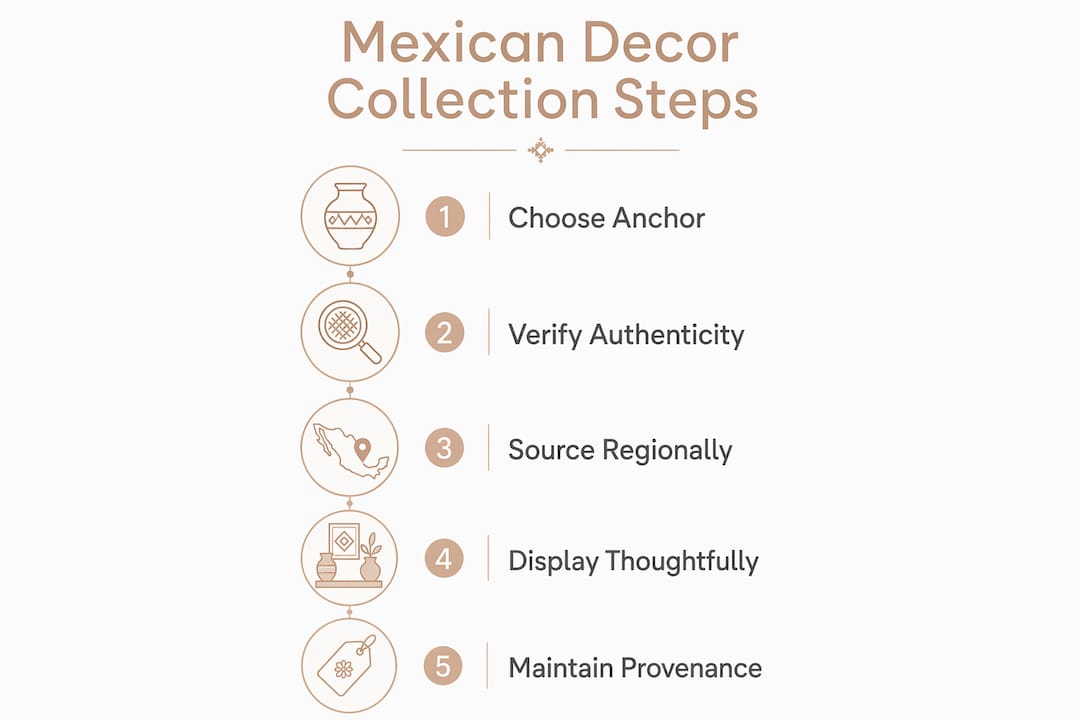
- Choose your anchor piece first. Certified Talavera or Zapotec items set the visual direction for an entire room. Pick one piece you genuinely love and that fits your existing color palette.
- Authenticate before you buy. Apply the sourcing steps above. Never skip provenance documentation, even for lower-cost pieces.
- Document everything immediately. Photograph the piece from multiple angles. Note the artisan's name, region, and purchase date. Store this file digitally and in print.
- Place the piece and live with it. Give it at least two weeks in your space before adding anything new. You will learn what the room needs next by observing what the anchor piece draws attention to.
- Add complementary accents one at a time. Choose pieces that share a color, material, or regional origin with your anchor. Cohesion comes from restraint, not abundance.
- Purchase from fair-trade sources. Buying direct from artisan cooperatives preserves multigenerational craft traditions and provides ethical support to maker communities. That ethical dimension adds meaning to every piece in your collection.
| Stage | Action | Common Mistake to Avoid |
|---|---|---|
| 1. Selection | Choose one anchor piece | Buying multiple pieces at once |
| 2. Authentication | Verify tool marks and provenance | Trusting price alone as quality signal |
| 3. Documentation | Photograph and record artisan details | Skipping records for "minor" pieces |
| 4. Placement | Style with neutral backdrop | Crowding with too many accents |
| 5. Expansion | Add one complementary piece at a time | Mixing unrelated regional styles |
How do you maintain and preserve your Mexican decor collection?
Proper care extends the life and value of every piece. Authentic artisan items require specific handling based on their material.
- Textiles (Zapotec rugs, Huichol beadwork): Avoid direct sunlight, which fades natural dyes. Rotate rugs periodically to distribute wear. Spot clean with cold water and mild soap. Never machine wash hand-woven pieces.
- Pottery and ceramics (Talavera, barro negro): Dust with a soft dry cloth. Avoid harsh chemical cleaners, which strip glaze. Store pieces away from high-traffic areas where they risk being knocked over.
- Wood pieces (alebrijes, carved furniture): Keep away from direct heat sources and air conditioning vents, which cause cracking. Apply a light coat of natural wax once a year to maintain the finish.
- Metals (copper, silver, wrought iron): Polish copper with a mixture of lemon juice and salt. Store silver wrapped in acid-free cloth to prevent tarnishing.
Maintaining provenance records with photos and artisan notes increases both personal and financial value over time. Wear on vintage pieces is desirable, not a defect. It signals genuine age and use, which adds to the authenticity and story of the collection.
Key Takeaways
Building an authentic Mexican decor collection requires one quality anchor piece, verified provenance, and a neutral backdrop that lets artisan craftsmanship speak for itself.
| Point | Details |
|---|---|
| Start with one anchor piece | A Talavera platter or Zapotec rug sets the visual direction for an entire room. |
| Verify authenticity before buying | Look for tool marks, glaze imperfections, and weaving irregularities as proof of hand production. |
| Document every acquisition | Keep photos, artisan names, and purchase records to build provenance and long-term value. |
| Use the neutral-base approach | Neutral walls and floors let bold artisan pieces breathe without creating a cluttered look. |
| Buy from artisan cooperatives | Direct purchases support multigenerational craft communities and preserve disappearing techniques. |
What collecting Mexican decor has taught me about patience and purpose
Most people who come to me for advice on building a Mexican art collection make the same mistake. They walk into a market, fall in love with everything at once, and buy six pieces in an afternoon. Three months later, their living room looks like a gift shop, and they cannot explain why any single piece matters to them.
The collections I respect most are built slowly. I have seen collectors spend a year searching for the right barro negro vessel before committing to a purchase. That patience is not hesitation. It is respect. When you understand that handcrafted Mexican goods carry soulful meaning rooted in generations of skill, you stop treating acquisition as shopping and start treating it as stewardship.
The cultural respect question matters more than most beginners expect. There is a real difference between appreciating a Huichol beaded piece as sacred art and buying it as a colorful accent. Knowing the difference, and making purchases accordingly, is what separates a meaningful collection from a decorative trend.
My honest advice: buy less, learn more, and let each piece earn its place in your home before you add the next one.
— Ernesto
Createdecorus handcrafted pillows for your collection
A well-placed textile accent is often the piece that ties a room together. Createdecorus crafts handcrafted luxury pillows in Mexico using traditional techniques and materials that honor the same artisan heritage you are building your collection around. Each pillow carries the bold color, rich texture, and cultural pride that authentic Mexican craft demands.

Every piece in the Createdecorus collection is made with the same intentionality this guide recommends for collecting. If you are ready to add a textile accent that holds its own alongside Talavera pottery or a Zapotec rug, browse the full pillow collection and find the piece that speaks to your space. These are not accessories. They are a gesture of care toward the artisan traditions that make Mexican craft worth collecting.
FAQ
What is the best first piece for a Mexican decor collection?
A large Talavera platter or a Zapotec rug is the most recommended starting point. Both are regionally certified, visually striking, and versatile enough to anchor a living room or kitchen.
How do you tell authentic Mexican decor from mass-produced imitations?
Authentic pieces show tool marks, glaze imperfections, and weaving irregularities. Mass-produced items have uniform finishes and lack evidence of hand production.
Where is the best place to buy authentic Mexican artisan decor?
Artisan cooperatives, FONART-affiliated dealers, and specialist importers who provide provenance documentation are the most reliable sources for genuine pieces.
How many Mexican decor pieces should you display in one room?
One anchor piece and one or two smaller accents per room is the standard recommendation. More than that risks creating a cluttered, themed look that diminishes each individual piece.
Does wear on vintage Mexican folk art reduce its value?
Wear on authentic vintage pieces is considered desirable, not a defect. It confirms genuine age and use, which adds to provenance and collector value.