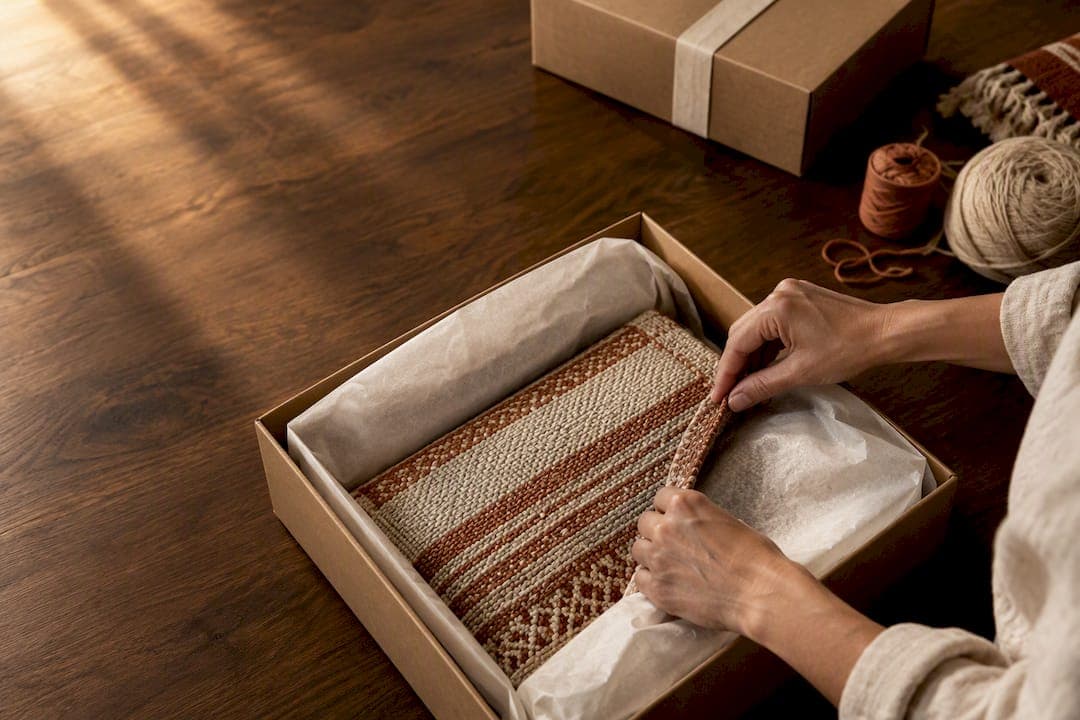
Ready-to-ship pillows and accents typically arrive within a few business days to most urban addresses, while made-to-order pieces generally take 3 to 8 weeks depending on complexity and order size. Total delivery time is production plus transit, never one without the other. Before you buy, always ask your seller for written dates rather than a general estimate.
TL;DR:
- Custom and handmade pillows typically require 2 to 8 weeks for production, depending on complexity, with heavily embroidered or hand-woven pieces taking over a month.
- Small-batch runs of 5 to 50 pieces usually need 4 to 10 weeks, while wholesale orders add an additional 2 to 6 weeks beyond small-batch timelines.
- Shipping times range from 1 to 4 business days for urban areas, but remote locations or rural zones can take two weeks or more, especially during peak seasons.
- Producers often use specialty materials or techniques, such as hand-dyeing or embroidery, which can extend lead times significantly beyond initial estimates.
- To shorten wait times, buyers should prioritize ready-to-ship items, inquire about express production options, and consider local pickup when available.
Table of Contents
- Realistic lead times for stock, custom, and wholesale orders
- What makes production faster or slower
- How shipping and Mexican consumer rules shape your delivery date
- Planning your order: briefs, milestones, and buffers
- What to confirm in writing before you buy
- How to shorten the wait without sacrificing quality
- Why honest timelines are part of the luxury experience
- How Create Decorus helps you plan with confidence
- Sources
- FAQ
Realistic lead times for stock, custom, and wholesale orders
Every handcrafted piece follows its own calendar, and knowing which category yours falls into helps you plan with confidence. Stock or ready-to-ship items move fastest because the workshop work is already finished: fulfillment usually takes several business days, and transit adds a few more business days for city-to-city delivery. A buyer in a major metro area often sees a pillow arrive within about a week, while someone farther from a distribution hub should expect a longer delivery time.
Custom, made-to-order pieces ask for more patience, and rightly so. A single pillow with moderate customization such as a fabric swap or trim change typically takes several weeks from confirmation to completion. Pieces built around intensive handwork, heavy embroidery, or hand-weaving can take over a month or more, since every stitch is worked by hand rather than assembled on a line.
Small-batch runs, the kind a boutique might order for a seasonal collection, generally need 4 to 10 weeks. Batching several pieces together means the workshop coordinates dyeing, cutting, and finishing in stages rather than all at once, which adds time but keeps quality consistent across the run. For artisan production factors that shape these windows, understanding the craft process itself helps set realistic expectations.
Larger wholesale orders scale with quantity and typically require an additional 2 to 6 weeks beyond a comparable small-batch timeline, depending on the workshop's current capacity and the finishing work each piece demands.
- Ready-to-ship: 1 to 3 days fulfillment plus 1 to 4 days transit for most urban destinations.
- Single custom pillow: 2 to 4 weeks for moderate customization.
- Heavily embroidered or handwoven pieces: 4 to 8 or more weeks.
- Small-batch runs of 5 to 50 pieces: 4 to 10 weeks.
- Wholesale orders: add 2 to 6 weeks on top of small-batch timing.
What makes production faster or slower
Several factors sit behind every quoted timeline, and some are within a buyer's control while others are simply part of working with human hands rather than machines.
Materials matter first. Hand-dyed yarns, natural fills, and specialty trims often carry their own lead times before a single stitch begins, sometimes adding weeks to a project that otherwise looks simple. Technique adds another layer: embroidery, hand-weaving, and appliqué all demand far more labor per piece than machine stitching, and that labor cannot be rushed without sacrificing the result.

Who makes the piece also shapes the schedule. A single artisan working alone produces something distinctly personal, but the pace is necessarily slower than a small workshop dividing tasks among several skilled hands. Order complexity plays a role too: custom color matching, multiple sample rounds, or client revision cycles can stretch a timeline well past the original estimate, since each round of approval adds its own turnaround.
Finally, seasonality is real. Peak buying months and traditional holiday closures can add 1 to 3 or more weeks to a schedule, particularly around major national holidays when workshops slow production or pause entirely.
- Specialty materials like hand-dyed yarn or natural fill often add lead time before production starts.
- Labor-intensive techniques such as embroidery or hand-weaving increase per-piece hours.
- A single artisan produces more unique work but on a slower timeline than a workshop team.
- Multiple revision rounds or custom color matching extend the schedule.
- Peak seasons and artisan holiday closures can add real time to any estimate.
Pro Tip: Ask your seller directly whether your piece involves a single artisan or a small team. It changes both the timeline and the story behind what you're buying.
How shipping and Mexican consumer rules shape your delivery date
Production time is only half the equation. Transit adds its own variable, and for handcrafted goods that variable can swing widely depending on destination. Urban deliveries typically take 1 to 4 business days once a piece leaves the workshop, while regional or remote addresses can take two weeks or longer, particularly during peak shipping season or when road access is limited. Vendors in this market commonly note that rural zones and busy periods extend delivery windows beyond the standard quote, and a smart buyer factors that caution into their own calendar.

Vacuum-compressed packaging, common for pillows and cushions, shrinks parcels for more efficient shipping but often needs a day or two after unpacking for the fill to fully expand and reach its intended loft.
A five-business-day window matters more than most buyers realize: under the Ley Federal de Protección al Consumidor, consumers have five business days from delivery or contract signature to exercise a right of revocation, alongside minimum warranty and disclosure requirements sellers must honor.
On the seller side, PROFECO's Distintivo Digital framework calls for upfront disclosure of delivery times, total costs, and cancellation terms before a transaction completes, a standard that protects buyers making higher-value purchases like custom furnishings.
- Urban transit: typically 1 to 4 business days after dispatch.
- Remote or rural transit: can extend to two weeks or more during peak periods.
- Vacuum-compressed items may need a short airing-out period on arrival.
- Sellers should disclose delivery windows, total cost, and cancellation terms before checkout.
Planning your order: briefs, milestones, and buffers
A little structure up front prevents most timeline surprises later. This buffer absorbs the ordinary friction of custom work without derailing a project deadline.
When you brief a maker, be specific: dimensions, materials, finish details, and your expectations for sample approval all belong in writing before production begins. Vague requests invite revision rounds, and revision rounds cost time.
- Confirm dimensions, materials, and finish in a written brief before any deposit changes hands.
- Approve a sample or mockup, and agree in advance how many revision rounds are included.
- Mark the production start date once the deposit clears, since most workshops begin only after payment.
- Request pre-shipment photos before the final balance is due and dispatch is scheduled.
Payment timing drives everything that follows. Many workshops will not begin cutting or stitching until a deposit is received, so a delayed payment simply shifts every downstream date by the same number of days.
Pro Tip: Send your brief and deposit together whenever possible. It locks in your place in the production queue instead of leaving your project to float behind orders that were paid first.
What to confirm in writing before you buy
A short checklist protects both sides of the transaction and keeps expectations aligned from the start.
- Get production start and estimated completion dates in writing, not verbally.
- Agree on sample or mockup deadlines and how many revision rounds are included.
- Confirm shipment method, tracking availability, and who bears responsibility if transit is delayed.
- Ask for cancellation, revocation, and warranty terms spelled out plainly before you pay.
Boutiques and designers coordinating multiple pieces for a single project benefit from a client presentation checklist that tracks these details across an entire order, similar to how NG Construction SWFL — Building Dreams in Southwest Florida coordinates manufacturing, delivery, and installation schedules for client projects.
How to shorten the wait without sacrificing quality
If your timeline is tight, a few honest tradeoffs can help. Ready-to-ship inventory is always your fastest path, so check current stock before committing to a custom order. Ask directly about shipping cutoffs, since ordering even a day past the cutoff can push dispatch into the following week.
Express production is sometimes available, though it typically comes with added fees and reduced room for customization. Local pickup, where offered, removes transit time entirely. For boutiques and designers under deadline pressure, trade and wholesale stock is often the most reliable route to a firm delivery date.
- Check ready-to-ship inventory first if your timeline is short.
- Ask about express production, expecting extra fees and less customization room.
- Consider local pickup to eliminate transit time where it is offered.
- Boutiques should lean on trade or wholesale stock when deadlines are fixed.
Why honest timelines are part of the luxury experience
We believe a realistic timeline is as much a part of luxury as the piece itself. This brand specializes in handcrafted luxury home accents made with rich textures, bold colors, and artisan craftsmanship, and every honest delivery estimate reflects the actual hours a maker puts into their work. Our trade program and blog resources exist to give designers and homeowners the clarity they need to plan with confidence, not guesswork dressed up as a promise.
— Ernesto
How Create Decorus helps you plan with confidence
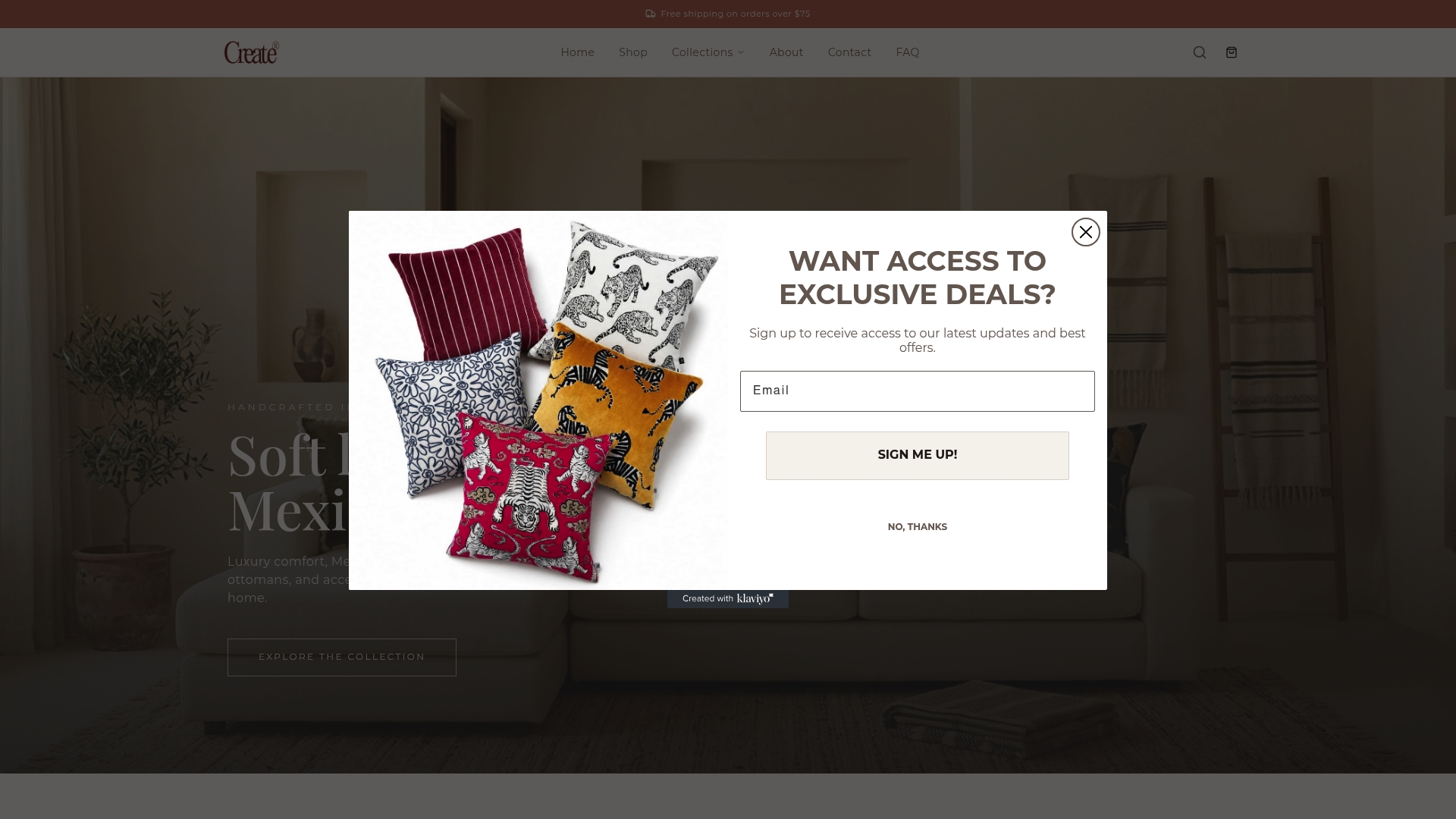
Choosing handcrafted decor should feel exciting, not uncertain, and that starts with knowing exactly what to expect before you commit. Our shop shows current ready-to-ship pillows alongside estimated dispatch windows, so you can see real timing before you buy. Boutiques and interior designers can request bulk pricing and production estimates through our wholesale trade program, built specifically for buyers managing multiple pieces on a client deadline. Browsing our wall art and rugs collections alongside pillows also helps you coordinate a full room on one coherent timeline.
- Browse ready-to-ship pillows and current dispatch estimates in our shop.
- Request a trade account for bulk pricing and lead-time quotes.
- Cross-shop wall art and rugs to coordinate a full project on one calendar.
| What you need | Where to look |
|---|---|
| Ready-to-ship pillows | Shop |
| Bulk pricing and trade timelines | Wholesale program |
| Coordinating a full room | Wall Art and Rugs |
Visit the shop to check what's ready now, or reach out through the trade program to get a written timeline for your project.
Sources
- Información y Requisitos del Código de Ética | Distintivo Digital
- Ley Federal de Protección al Consumidor (LFPC)
- Brújula de compra — Revista del Consumidor (PROFECO)
FAQ
How long does a custom handcrafted pillow take to make?
A single custom pillow with moderate customization typically takes 2 to 4 weeks, while heavily embroidered or hand-woven designs can take 4 to 8 weeks or more. Always confirm the exact estimate in writing before placing your order.
Do I have the right to cancel an online handcrafted decor order?
Under the Ley Federal de Protección al Consumidor, consumers have a five-business-day revocation window from delivery or contract signature. This applies alongside minimum warranty and disclosure requirements the seller must meet.
Why do wholesale or boutique orders take longer than single pieces?
Wholesale orders scale with quantity and generally add 2 to 6 weeks beyond a comparable small-batch timeline, since workshops coordinate dyeing, cutting, and finishing across many pieces at once. Batching keeps quality consistent but requires more coordination than a single custom item.
What should sellers disclose about delivery times before I buy?
Under PROFECO's Distintivo Digital framework, sellers should disclose delivery times, total costs, and cancellation terms before you complete a purchase. Getting these details in writing protects both sides if a timeline shifts.
How can I get my handcrafted pillow faster?
Check ready-to-ship inventory first, since it typically ships within 1 to 3 business days plus transit. You can also ask about express production, though it often comes with added fees and less room for customization, or check current ready-to-ship stock directly.