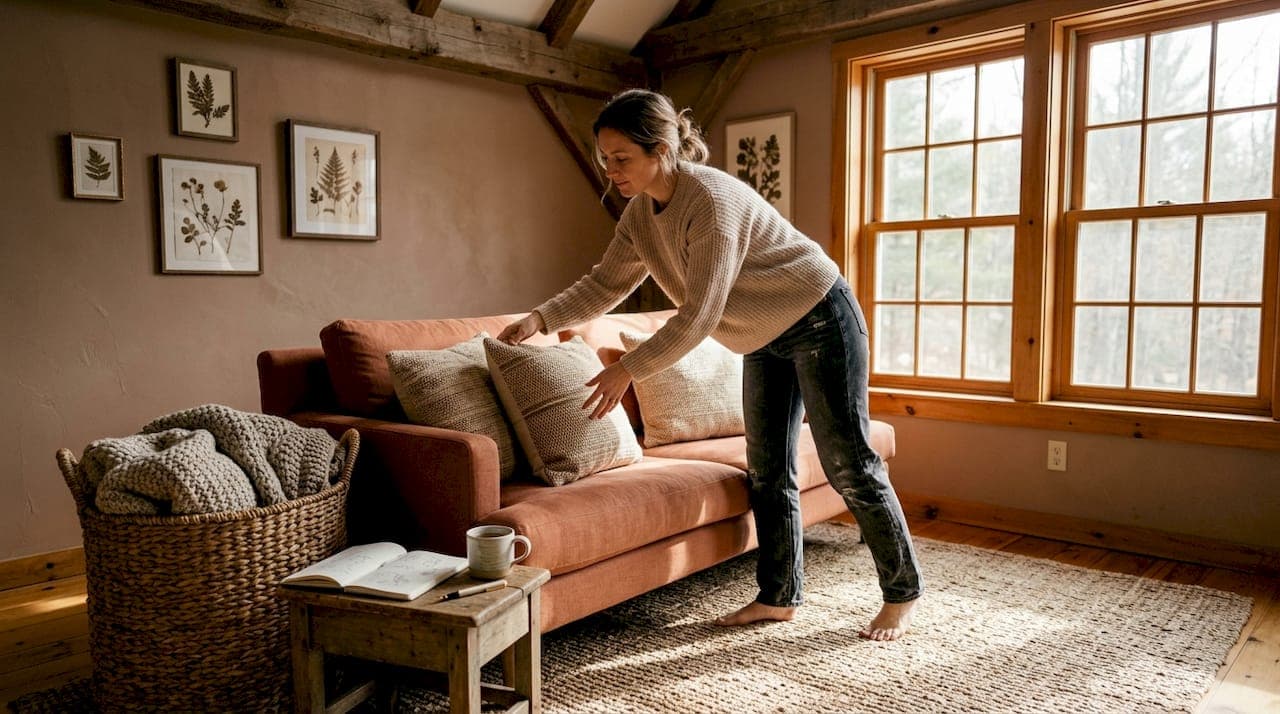
Intentional home decorating is the practice of making deliberate, purpose-driven choices in your living space to reflect your personal values, lifestyle, and emotional needs. Rather than chasing trends or buying impulsively, this approach treats every object, color, and texture as a considered decision. Experts identify five core principles guiding this practice: personalization, practicality, emotional clarity, thoughtful curation, and sensory warmth. Together, these principles shape spaces that restore energy rather than drain it. The result is a home that feels genuinely yours, not a showroom assembled from someone else's vision.
What is intentional home decorating, and why does it matter?
Intentional home decorating is defined as designing your space with choices that support how you want to feel and live every day. The industry term for this broader practice is purposeful interior design, and both phrases describe the same core idea: your home should serve your life, not the other way around.
The distinction from trend-driven decorating is significant. Trend-following prioritizes what looks current. Purposeful home decor prioritizes what feels right for you, long after the trend has passed. Intentional decorating affects mood, energy levels, and focus by supporting wellness in design, making the home a place that restores rather than drains. That is a measurable shift in how a space functions for the people living in it.
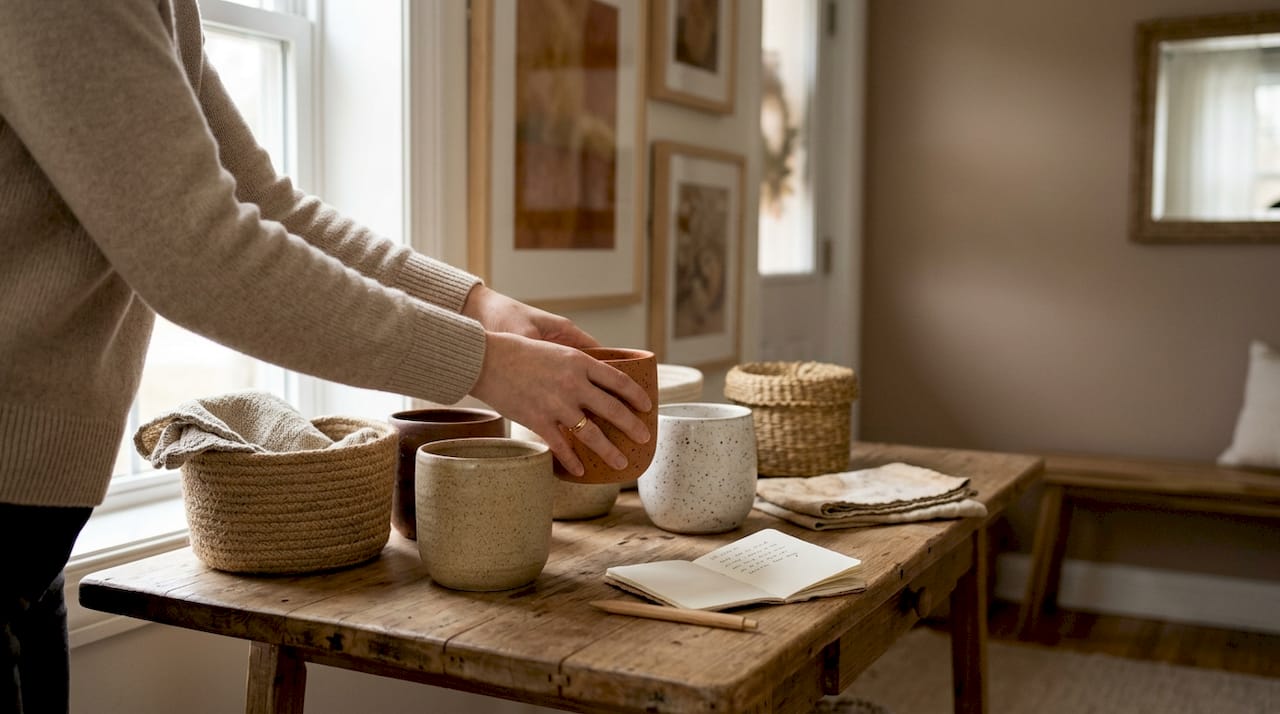
This approach also rejects perfectionism. A perfectly styled room that ignores how you actually live creates friction, not comfort. Decorating with intention means accepting that a home evolves, and that evolution is a feature, not a flaw.
What are the core principles of intentional home decorating?
Five principles define this practice. Each one builds on the others, and together they create a framework you can apply to any room, any budget, and any life stage.
Personalization means your space tells your story. This goes beyond hanging family photos. It means choosing objects that carry personal meaning, whether that is a handwoven textile from a place you love or a color that genuinely calms you. A curated home reflects deliberate choices with items that carry personal meaning and quality rather than impulsive or trend-driven purchases.
Practicality means beauty and function coexist. A gorgeous linen sofa that stains at the first spill is not a practical choice for a household with children. Intentional design concepts always ask: does this piece serve my actual life?
Emotional clarity means each room produces a specific feeling on purpose. A bedroom designed for deep rest uses soft lighting, muted tones, and minimal visual clutter. A home office designed for focus uses clear surfaces and grounding textures. The feeling is chosen first; the objects follow.
Thoughtful curation means quality over quantity. One meaningful object on a shelf communicates more than ten forgettable ones. This principle connects directly to the high-low investment strategy, which balances budget by prioritizing spending on high-touch sensory items and minimizing cost on utility or background pieces.
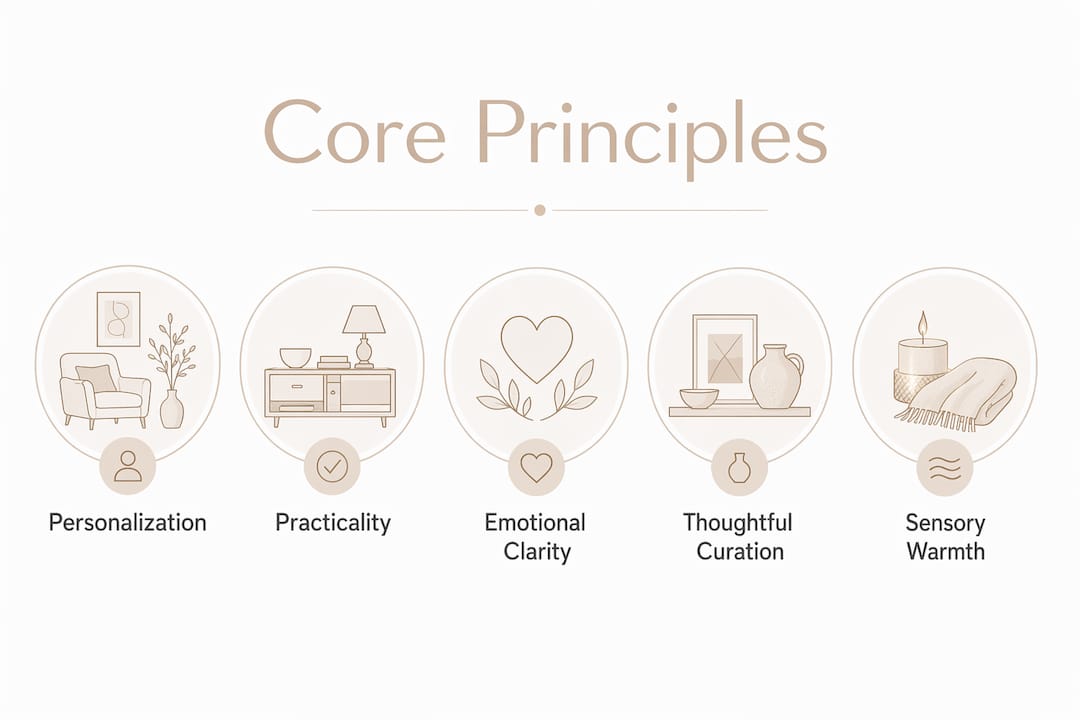
Sensory warmth is the most overlooked principle. Intentional decorating includes sensory details beyond visual aesthetics, such as scent, texture, light, and sound, to create atmosphere and warmth. A knitted throw, a beeswax candle, and a woven rug work together to make a room feel inhabited and alive. These elements enhance emotional connection and well-being in ways that paint color alone cannot.
Pro Tip: Before buying anything new, write down the feeling you want a room to produce. Then ask whether the item you are considering moves you closer to that feeling or further from it.
How does the "slow decorating" method complement intentional decorating?
Slow decorating is a method that helps homeowners avoid impulse purchases and costly errors by adding decor over time aligned with actual lifestyle needs. It is the practical engine behind intentional decorating, turning principles into a livable process.
The method works because it removes urgency. When you are not racing to finish a room, you make better choices. Here is how to apply it:
- Live in the space first. Spend at least four to six weeks in a room before making major purchases. Notice where light falls, which corners you actually use, and what the room lacks functionally.
- Identify one anchor piece. Choose a single item that sets the tone: a rug, a sofa, or a piece of art. Build outward from there rather than buying everything at once.
- Set a waiting period. For any non-essential purchase, wait two weeks before buying. If you still want it after two weeks, it likely belongs in your space.
- Audit what you already own. Many homes already contain meaningful pieces buried under clutter. Slow decorating surfaces these before adding more.
- Revisit and refine seasonally. Slow decorating allows discovery and refinement of personal style over time, reducing pressure from tight timelines and helping you prioritize what truly matters.
This method also builds a meaningful collection rather than a cluttered space. Each piece arrives with intention, and each one earns its place.
Pro Tip: Take a photo of your room every month. Over time, you will see a clear pattern of what feels right and what still feels off. That visual record is more honest than memory.
What are common challenges and misconceptions about intentional decorating?
The biggest misconception is that intentional decorating requires a large budget or a finished, magazine-ready result. Neither is true. Purposeful home decor is about the quality of your choices, not the cost of your purchases.
- Trying to complete a room all at once is the most common mistake. Attempting to fully finalize a room at once ignores the reality that true functionality often reveals itself after months of daily use.
- Impulse buying undermines the entire practice. A beautiful object purchased without purpose creates clutter, not character.
- Ignoring emotional needs in favor of aesthetics produces rooms that look good in photos but feel hollow to live in.
- Treating it as a one-time project misses the point entirely. Intentional decorating is a lifelong evolving practice, not a one-time project. Living with a space helps you better understand your needs before making permanent changes.
"Decorating with intention starts with a question: What do I want this space to do for me? Answering this guides clearer and more meaningful choices in styling, regardless of the room or scope."
The mindset shift that makes this sustainable is accepting impermanence. Your home at 35 should look different from your home at 25. Spaces that evolve with your life are not inconsistent. They are honest.
How to apply intentional decorating principles to everyday spaces?
Applying these principles starts with one question per room: what do I want this space to do for me? That answer shapes every choice that follows.
The table below maps common rooms to their primary purpose and the sensory details that support it:
| Room | Primary purpose | Key sensory details |
|---|---|---|
| Bedroom | Rest and restoration | Soft lighting, muted tones, plush textiles |
| Living room | Connection and comfort | Layered textures, warm light, natural materials |
| Home office | Focus and clarity | Clear surfaces, grounding colors, minimal scent |
| Entryway | Transition and welcome | Tactile surfaces, a single meaningful object |
| Kitchen | Nourishment and ritual | Warm tones, organized surfaces, natural light |
For the living room specifically, layering textures such as knitted throws, woven rugs, and quality textiles creates dimension and comfort that visual design alone cannot achieve. These elements work together as a dialogue between artisan heritage and contemporary design, which is exactly the philosophy Createdecorus brings to every handcrafted piece.
Personalization techniques that work in any room include:
- Displaying objects tied to specific memories or places, not generic decorative items
- Choosing a color palette based on how colors make you feel, not what is trending
- Incorporating handcrafted pieces that carry the mark of human skill and care
- Adjusting lighting by time of day to shift the room's emotional register
- Adding scent through candles or plants to anchor a room's atmosphere
Flexibility is also part of the practice. A home that evolves with life stages and daily habits stays personal and dynamic. Swap a throw pillow, change a lamp shade, or rearrange a shelf. Small shifts keep a space aligned with who you are right now.
Key Takeaways
Intentional home decorating is defined by five core principles: personalization, practicality, emotional clarity, thoughtful curation, and sensory warmth, applied through slow, deliberate choices that evolve with your life.
| Point | Details |
|---|---|
| Five core principles | Personalization, practicality, emotional clarity, thoughtful curation, and sensory warmth guide every intentional choice. |
| Slow decorating method | Adding decor over time reduces impulse purchases and aligns each piece with your actual lifestyle. |
| Sensory warmth matters | Texture, scent, light, and sound shape emotional atmosphere as much as color or furniture. |
| Evolving practice | Intentional decorating is never finished. Spaces should grow and shift as your life does. |
| High-low investment | Spend more on high-touch tactile items and less on background pieces to preserve emotional impact on a budget. |
What I have learned from years of watching spaces come alive
Most people approach decorating as a problem to solve. They want the room done, the boxes checked, the photos taken. What I have found is that the rooms people love most are never finished. They are in conversation with the people living in them.
The single most valuable habit I have seen is patience before purchase. Sitting with an empty corner for three months feels uncomfortable. But that discomfort almost always leads to a better choice than filling the space immediately with something that merely fits. The emotional impact of spaces intentionally curated is real and lasting. It is not decoration. It is the difference between a house and a home.
Sensory details are where most people underinvest. They spend hours choosing paint colors and minutes choosing textiles. In my experience, the texture of what you touch every day shapes your mood more than the color on the wall behind it. A plush, well-made pillow or a weighted throw does quiet work that no paint chip can replicate.
Say no more than you say yes. Every object you bring into a space makes a claim on your attention. The most intentional homes I have seen are not sparse. They are selective. That selectivity is what makes every piece feel like it belongs.
— Ernesto
Createdecorus and the art of purposeful home accents
Createdecorus handcrafts luxury pillows and home accents in Mexico, where artisan traditions shape every stitch, texture, and color choice. Each piece is designed to add sensory warmth and personal meaning to a space, which makes them natural partners for anyone practicing mindful decorating ideas.
When you invest in a piece that carries genuine craft and cultural heritage, you are not just buying an object. You are adding a gesture of care to your home. Createdecorus pillows bring rich textures and bold, considered color to living rooms, bedrooms, and transitional spaces, supporting the high-low investment approach that intentional decorating recommends. Explore the full handcrafted luxury collection and find the piece that belongs in your space.
FAQ
What is the simplest definition of intentional home decorating?
Intentional home decorating is the practice of making deliberate, purpose-driven choices in your space to reflect your personal values and support how you want to feel every day. It prioritizes meaning and function over trends or perfection.
How is slow decorating different from regular decorating?
Slow decorating adds pieces over time rather than all at once, reducing impulse purchases and ensuring every item serves a clear purpose in your lifestyle. Design experts recommend living in a space before committing to major purchases.
Do I need a large budget to decorate intentionally?
No. The high-low investment strategy balances budget by spending more on high-touch sensory items, such as quality textiles, and less on background or utility pieces. Intentional decorating is about the quality of your choices, not the size of your budget.
What sensory details matter most in intentional decorating?
Texture, scent, light, and sound all shape a room's atmosphere beyond what visual design alone can achieve. Layering knitted throws, woven rugs, candles, and adjustable lighting creates emotional warmth that paint and furniture cannot replicate on their own.
How often should I update an intentionally decorated space?
Intentional decorating is a lifelong evolving practice. Revisiting your space seasonally and making small, considered adjustments keeps it aligned with your current life stage and daily habits.